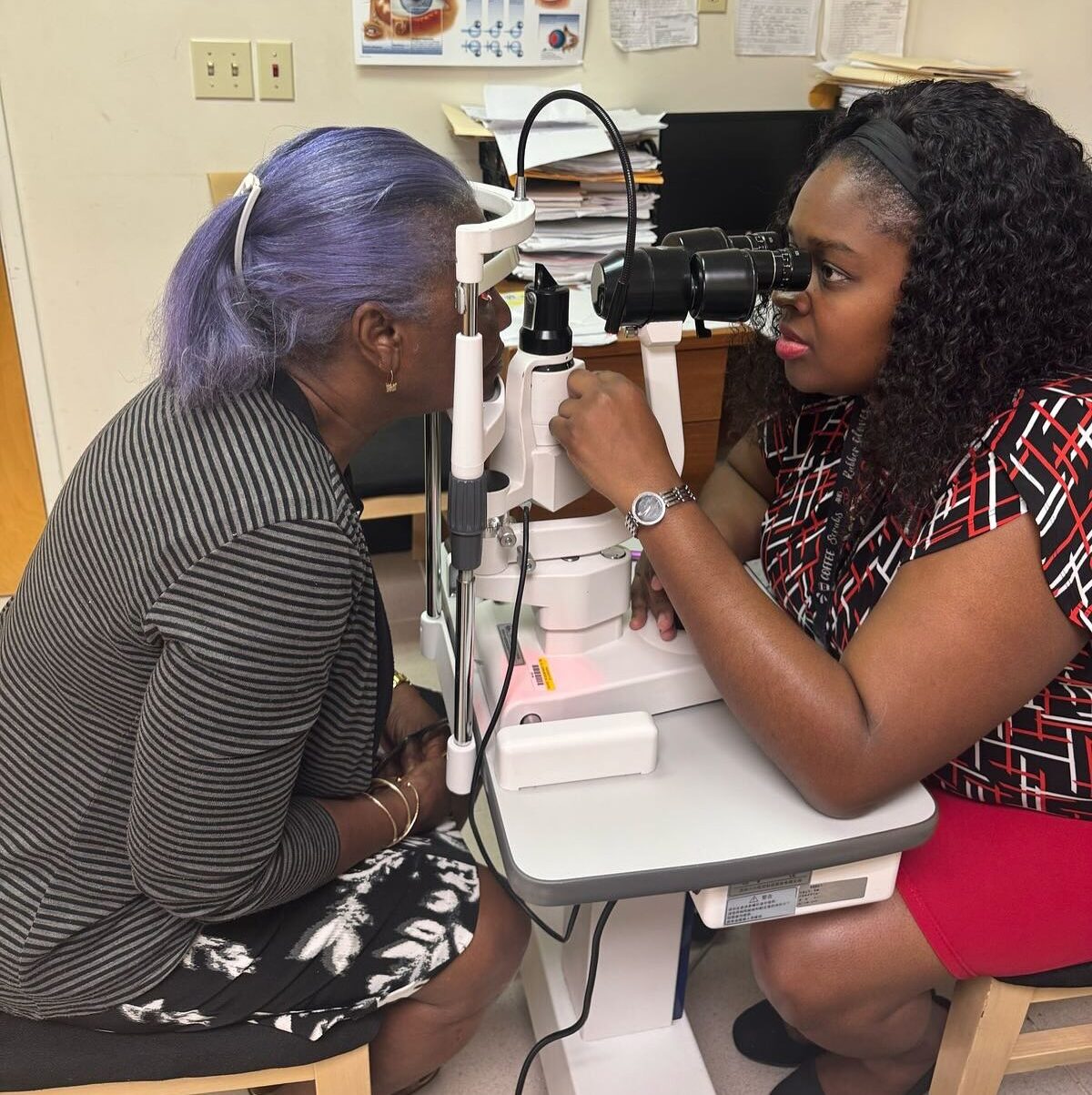
The Cabinet of Antigua and Barbuda has given formal approval to a new phase of the country’s ambitious Cure Blindness Project, a collaborative public health initiative scheduled to run from October 25 to 30, 2026. The proposal to advance the program was put forward by Honourable Michael Joseph, the nation’s Minister for Health, Wellness, Environment and Civil Service Affairs, and secured full backing from government leadership.
This upcoming mission will bring specialized, world-class eye care and surgical skill to the islands through a three-way partnership between Antigua and Barbuda’s Ministry of Health, Trinidad’s leading Trinidad Eye Hospital, and the global non-profit Cure Blindness Project. Per details shared with Cabinet, the initiative will deliver all high-volume, top-tier eye care services completely free of charge to low-income and vulnerable patients in need, covering all costs including surgical expertise, medical supplies, specialized clinical equipment and other critical resources. Renowned surgeon Dr. Matthew Oliva will also join the mission as a volunteer, donating his specialized skills to perform complex eye care procedures for local residents.
Government officials framed the 2026 mission as a key pillar of the administration’s broader national strategy to cut rates of preventable and avoidable blindness across Antigua and Barbuda, while dramatically expanding access to specialized eye health services for all communities. This project builds on a successful ongoing collaborative program launched earlier this year, which already enabled specialists from the Trinidad Eye Hospital to complete more than 400 free eye surgeries in partnership with the Ministry of Health, Sir Lester Bird Medical Centre and the Medical Benefits Scheme. That initial initiative was also expanded to offer free eye screenings and examinations to roughly 10,000 primary and secondary school students across the islands, a program that remains active today.
The Cure Blindness Project lies at the center of Antigua and Barbuda’s growing comprehensive national eye health ecosystem, which integrates community outreach, routine population screening, distribution of corrective eyewear, surgical interventions, specialized local clinician training and long-term sustainable care. Back in March 2024, Cabinet received an update on the country’s trailblazing “Blind Free Zone” initiative, developed in partnership with global health collaborators. This flagship program includes the construction of community-level eye care centers and specialized clinical training for local Antiguan and Barbudan nurses at the world-renowned Aravind Eye Hospital in India. To date, the government has already secured approximately US$90,000 in specialized ophthalmic equipment to support the rollout of this initiative.
Antigua and Barbuda has further expanded its eye health efforts through the Prime Ministerial Vision Initiative, a multi-partner collaboration bringing together the Cure Blindness Project, global eye health non-profits RestoringVision and VisionSpring. In March, the country received a donation of 25,000 near-vision eyeglasses from RestoringVision to distribute to residents living with correctable vision impairment, with distribution efforts ongoing. When the Prime Ministerial Vision Initiative formally launched in July, the Cure Blindness Project recognized Antigua and Barbuda’s program as the first effort in the Caribbean aiming to establish a full blindness-free zone.
The Antiguan and Barbudan government has a long track record of supporting expanded access to advanced ophthalmological care through international partnerships, including previous commitments to deliver free corneal replacement surgeries and other complex ophthalmic procedures locally. Cabinet specifically emphasized that the 2026 mission’s commitment to zero-cost care for patients aligns with the government’s core principle that access to life-changing treatment should never depend on a person’s ability to pay.
In a closing statement, Cabinet extended formal recognition and praise to Minister Joseph, the Ministry of Health, the Trinidad Eye Hospital, the Cure Blindness Project, and all participating medical professionals and international partners. These stakeholders have contributed critical resources including clinical expertise, specialized equipment, professional training and funding to build out the country’s expanding national eye health system. Officials noted that the program is transforming eye care in Antigua and Barbuda, shifting the nation from a model of periodic, reactive treatment for eye disease to a comprehensive, sustainable system focused on early detection, prevention, sight-restoring surgery and the development of long-term local clinical expertise.
The government has reaffirmed its unwavering commitment to continuing collaboration with local, regional and international partners to meet its core goal: cutting rates of preventable blindness dramatically and ensuring all citizens and residents of Antigua and Barbuda can access high-quality, affordable eye care when they need it.