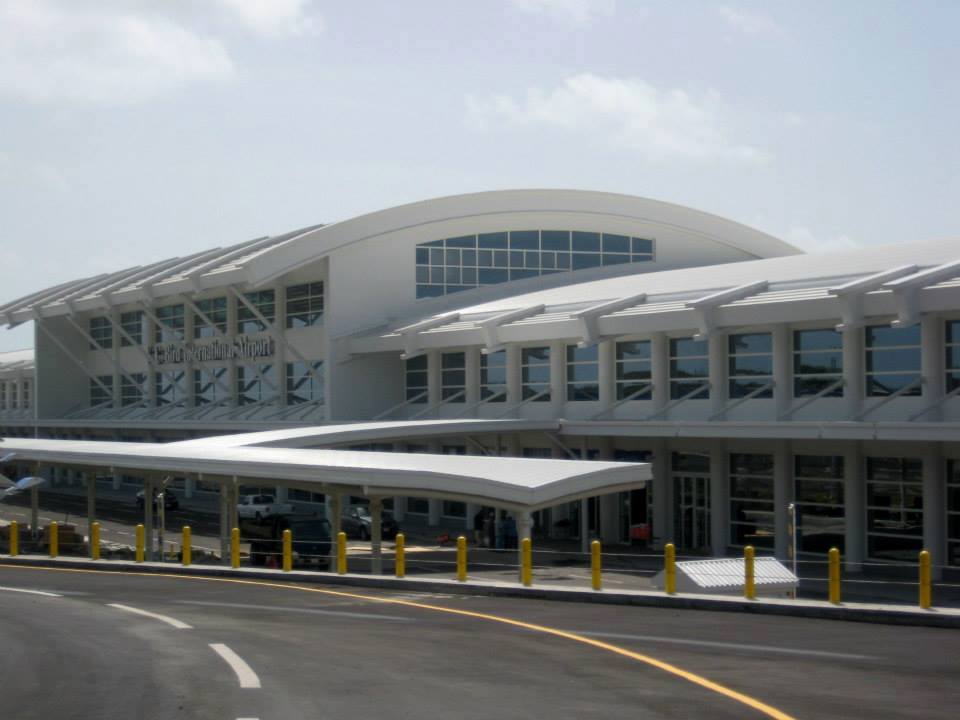
The government of Antigua and Barbuda has formally approved an ambitious five-year infrastructure plan designed to expand and upgrade the country’s two international airports, a move set to reshape the nation’s tourism and trade potential for years to come.
Officials confirmed that the sweeping plan, which has been years in the making through cross-government consultations and feasibility studies, will guide targeted expansion works at V.C. Bird International Airport on the main island of Antigua and the smaller but strategically critical Vance W. Amory International Airport on Barbuda. The initiative responds to years of growing tourist arrivals, which have stretched existing terminal, runway and baggage handling capacities close to their limits, creating occasional delays and passenger dissatisfaction during peak travel seasons.
What sets this plan apart from piecemeal upgrade projects in the past is its long-term, coordinated approach. Rather than focusing on quick fixes to address immediate bottlenecks, the five-year timeline allows for phased construction that minimizes disruption to daily flight operations, while also accounting for projected growth in passenger and cargo volumes through the end of the decade. Stakeholders from the tourism sector, which accounts for nearly 60% of Antigua and Barbuda’s gross domestic product, have repeatedly called for strategic airport expansion to support the government’s goal of attracting higher-spending visitors and opening up new non-stop air routes to North America, Europe and Latin America.
In addition to serving tourism demand, the upgraded infrastructure will also boost the country’s cargo logistics capabilities, creating new opportunities for local agricultural exporters to reach international markets faster and at lower cost. For Barbuda, which has worked to rebuild its tourism sector following the devastating impact of Hurricane Irma in 2017, the expansion of Vance W. Amory International Airport is expected to increase direct flight access to the island, reducing reliance on connecting ferry services from Antigua and opening the door to more sustained tourism growth.
Government economic advisors project that the expansion project will not only create hundreds of local construction jobs during the implementation phase but will also generate long-term employment in aviation, tourism and supporting services once the works are complete. The plan is expected to attract a mix of public and private investment, with discussions already underway with international development finance institutions and private infrastructure partners to secure the necessary funding.
As the plan moves into the implementation phase, authorities have committed to transparent monitoring of progress and environmental impact assessments to ensure the expansion works align with the country’s sustainable development goals, protecting coastal ecosystems and local communities near both airport sites.