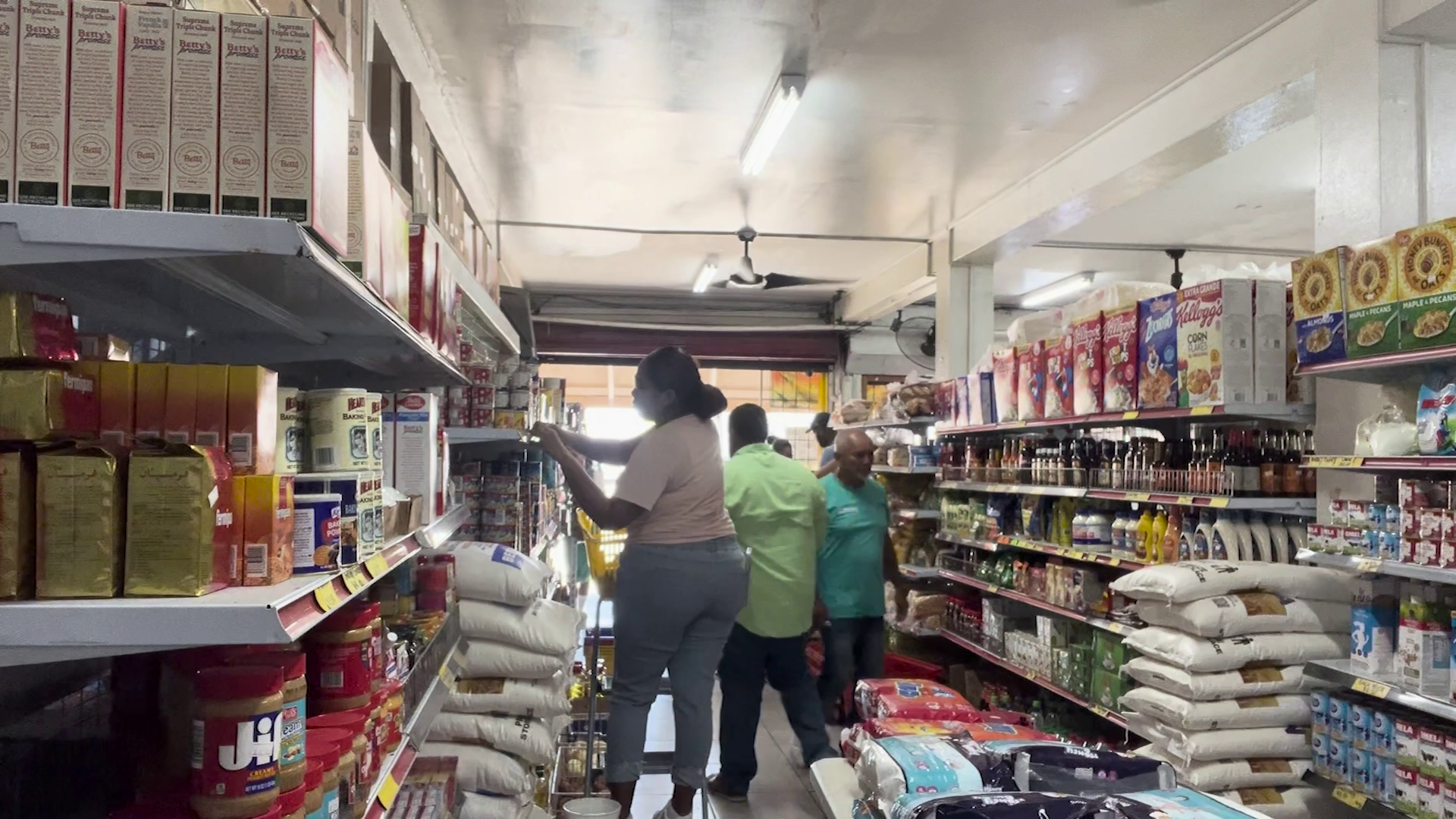
In 2026, Belize finds itself caught in a sharp political debate over the soaring cost of living, a crisis that has laid bare the growing gap between official economic messaging and the everyday financial struggles of ordinary families. As grocery bills, transportation costs, and utility rates continue to climb, Prime Minister John Briceño’s administration and opposition leader Tracy Panton’s bloc have offered starkly different narratives about what is driving price hikes and how effectively the government is addressing the crisis.
Briceño, the sitting prime minister, frames the country’s cost pressures as a largely external challenge, comparing the issue to the transboundary environmental problem of sargassum blooms. He argues that even though Belize has achieved full self-sufficiency in producing basic food staples, the broader national economy remains dependent on imports, leaving domestic prices vulnerable to global inflationary shifts outside of government control. To counteract these strains, the prime minister outlined a suite of policy measures his administration has rolled out to ease household financial burdens.
Among the most prominent interventions is an extension of fuel subsidies for private bus operators, designed to prevent fare hikes for the tens of thousands of Belizeans who rely on public transit for daily commutes. Going a step further, Briceño announced that cabinet has approved a $20 million investment to purchase a fleet of new electric buses to improve long-term transit accessibility and sustainability. The government has also enacted electricity relief reforms: it has completely removed the Goods and Services Tax (GST) from residential electricity bills for all 100,000 customers of Belize Electricity Limited (BEL), and expanded eligibility for the discounted social electricity rate to cover more low-income households. For broader consumer savings, the administration has revived GST-free shopping days, which Briceño says have put millions of dollars back in household pockets while also keeping consumer spending within Belize’s local economy rather than pushing cross-border shopping in neighboring Mexico and Guatemala. On the wage front, the government has delivered salary adjustments: a recent minimum wage hike that brought the base rate to $5 per hour will be followed by a further 20% increase to $6 per hour in the near term, and all 16,000 public sector employees – including teachers, police, coast guard personnel, soldiers, and civil servants – will receive an 8% salary adjustment by the end of the current fiscal year, representing a historic $112 million annual investment in public sector pay.
But Panton and the opposition reject the government’s framing, arguing that top-line economic gains have not translated into tangible relief for working and middle-class Belizean families. Panton points to the government’s own headline statistics – 5.1% economic growth, 98% employment, and a strong national currency – and asks a pointed question that resonates with many consumers: if the economy is performing so well, why are ordinary families still feeling the squeeze at every checkout and every bill payment?
The opposition critiques every one of the government’s relief measures as insufficient to address the core crisis. On transit, Panton argues that future plans for new electric buses do nothing to solve the immediate school transportation crisis that is already straining family budgets today. On electricity relief, while the opposition welcomes the removal of GST on residential bills up to $200, Panton stresses that cutting tax on an already rising bill does nothing to fix the underlying problem of unaffordable, unreliable energy that Belizeans need fixed immediately. Most broadly, the opposition argues that rising wages and headline economic growth are meaningless if the purchasing power of the Belizean dollar continues to erode year over year. “We cannot eat 5.1 percent growth. We cannot put a credit rating in our gas tanks,” Panton says, arguing that if ordinary Belizeans cannot feel economic improvement in their daily lives, the government has failed to deliver on its core obligations.
As the political back-and-forth continues, Belizean households continue to navigate steadily rising costs across every core spending category: food, fuel, transportation, and utilities. The debate has become a defining political issue, pitting the government’s focus on long-term structural investment and external economic pressures against the opposition’s demand for immediate, tangible relief that matches the everyday experience of consumers. The question at the heart of the clash remains: will Belize’s recent economic gains translate into broad-based prosperity, or will the cost of living gap continue to widen for ordinary families?