In a national address delivered on Tuesday, September 16 2026, Prime Minister John Briceño and his administration painted a rosy picture of Belize’s economic trajectory, touting 5.1% annual growth and a 90% national employment rate as proof the country is moving in the right direction. Alongside these positive macroeconomic metrics, Briceño outlined upcoming policy priorities, including a planned one-dollar hourly increase to the national minimum wage—raising it from $5 to $6 per hour—though no implementation timeline was shared. The Prime Minister also noted that the country has secured more than $225 million in approved new investments expected to generate over 900 new jobs, with an additional $1 billion in development projects currently pending approval.
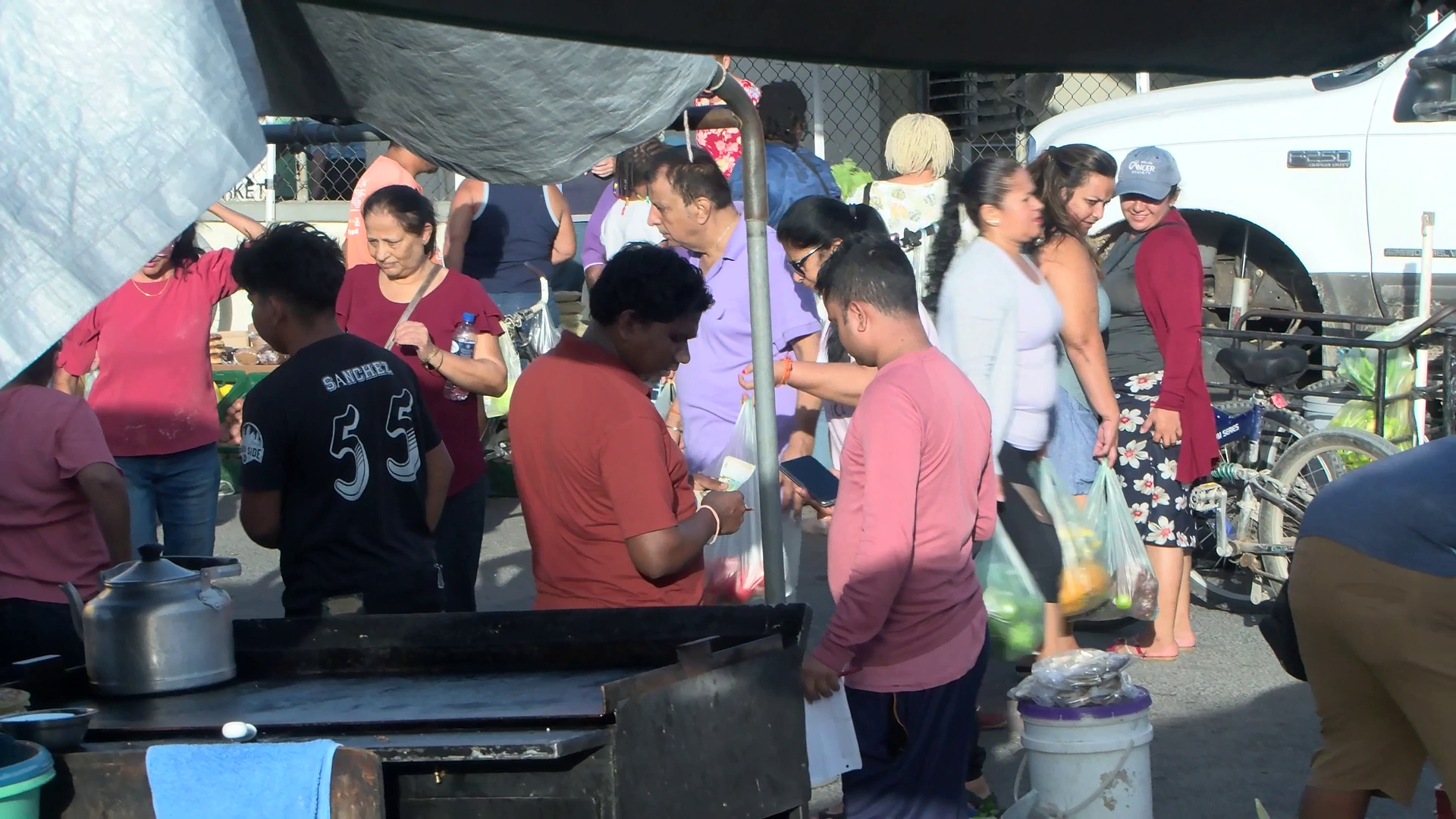
Briceño attributed the nation’s ongoing cost of living crisis to broader global market pressures, pointing to existing government relief programs for electricity and public transportation as targeted support for working households. But when local outlet News Five took the debate to the streets of Belize City to ask ordinary residents for their perspectives, a stark divide emerged between official government statistics and day-to-day financial realities for many citizens.
Multiple residents emphasized that skyrocketing prices for basic goods, utilities and fuel have erased any perceived benefits of national economic growth. “Everything is so high, you cannot even live. As you get the little bit of money, the money goes. It’s really ridiculous,” one long-time Belize City resident told reporter Britney Gordon. “He’s having a speech and talking about twenty million for bus costs. No, cost of living is so high. We cannot even live.” Other locals echoed this frustration, noting that utility bills for water and electricity absorb most of their monthly income, leaving little room for other essential expenses.
Small business owners shared similar struggles, explaining that elevated fuel and supply costs force them to raise prices, which in turn drives away cash-strapped customers. “When the customer come it’s even harder to sell because the price has to go up as well if we want to see any profit,” one small retailer explained. “We work from four in the morning to four in the evening because we have to pack up and leave by five. The customer is complaining about the price for the product but like how we tell them we don’t have any control over the price of the product. All we do is provide service for you so that you don’t have to go nowhere else but we are seeing struggle with the customers.”
When asked about the planned minimum wage increase, most residents were skeptical that the small adjustment would meaningfully ease their financial burdens. One resident called the $1 hourly bump insufficient, pointing out that it adds just $12 to a full-time worker’s daily pay—less than the current increase in daily gas costs. Others argued that raising minimum wage would only trigger further price hikes across essential goods, creating a vicious cycle that leaves working households no better off. “If minimum wage go up, everything still going up so to me it’s a waste of time,” one resident said. Not all responses were negative, however: one resident told News Five they had personally felt the benefits of economic growth, and welcomed even small policy changes as a step in the right direction.
While the Briceño administration’s new investment and job growth projections signal long-term economic expansion, many ordinary Belizeans remain uncertain when that growth will translate to improved financial stability for everyday households. The street interviews highlight a growing gap between top-line macroeconomic performance and the lived economic experience of working and low-income Belizeans, who continue to prioritize urgent action on the cost of living ahead of long-term development goals.