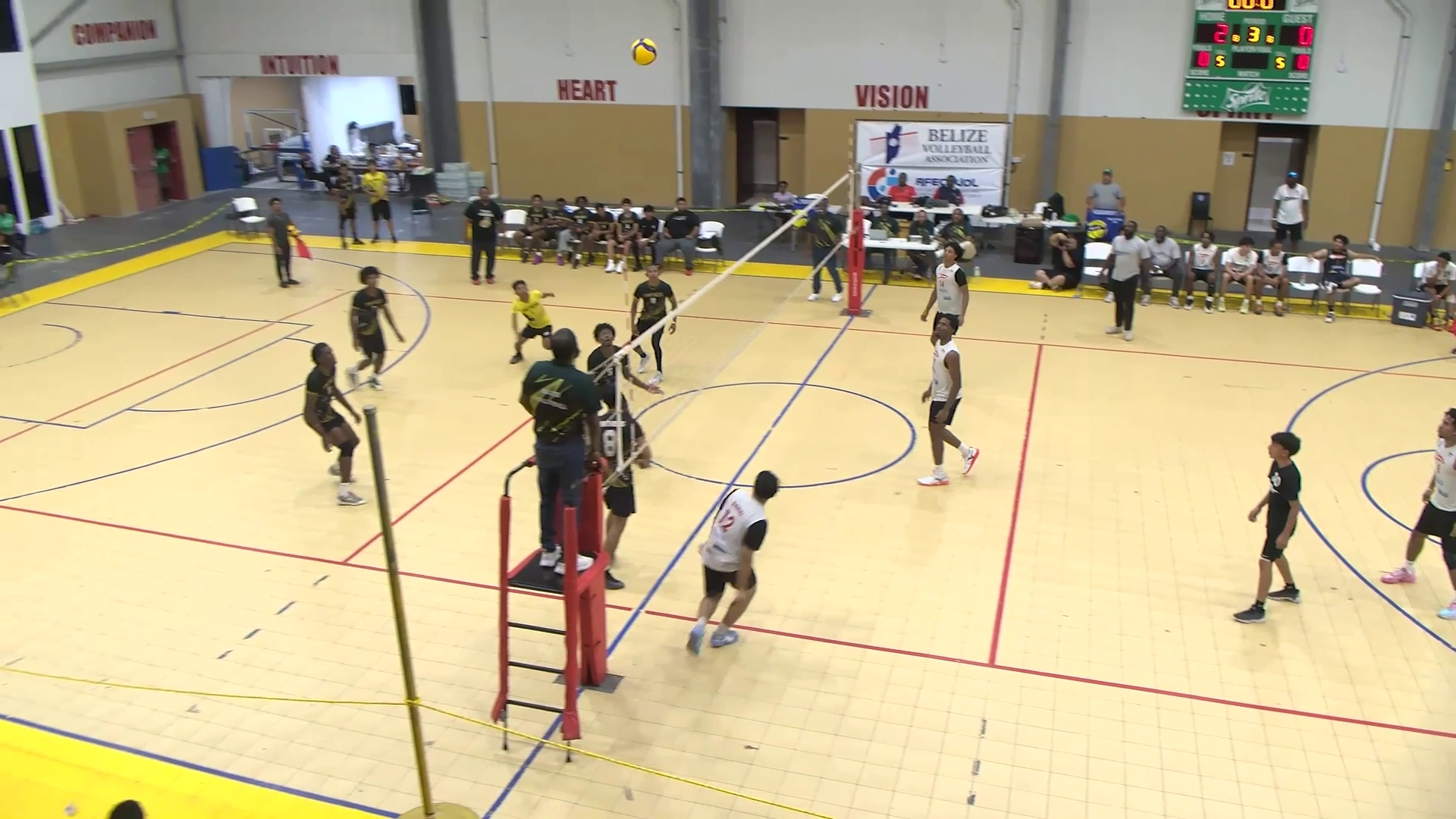
Against a backdrop of stalling visitor arrivals that has left Belize’s key tourism sector searching for solutions, the Central American nation is turning to a high-potential niche: sports tourism. New data shows overnight tourist arrivals dropped 5% in June 2026, and Tourism Minister Anthony Mahler confirms the slowdown persisted through the subsequent months. With traditional drawcards like coastal beaches and heritage attractions failing to fill hotel rooms at pre-slowdown levels, officials are hunting for strategies to drive visitation during the industry’s typically low-demand “soft” months, even as stakeholders pin some hope on the upcoming high season and expanded flight routes for a broader rebound.
As Belize’s first minister to hold combined oversight of both tourism and sports, Mahler is uniquely positioned to advance this new agenda, which centers on upgrading local sports infrastructure and actively bidding to host international competitions. Fresh off his participation as a panelist at the UN Tourism Sports Tourism Summit held in Mexico City, the minister has already secured promising new connections with global tourism leaders to turn the sports tourism plan into tangible growth opportunities.
In remarks transcribed from a national evening television broadcast, Mahler outlined the massive economic potential of the global sports tourism market, which currently generates roughly $1 trillion in annual revenue—compared to a $12-13 trillion overall global tourism market and a $2.5 trillion global sports industry. “What we want to do is to continue to push forward in terms of improving our facilities, whereby we can host more and more events here in Belize,” Mahler said. “I think we can carve out a niche that can help boost tourism, especially in the softer months especially if we have more indoor facilities.”
The summit yielded unplanned high-level engagement that could accelerate Belize’s ambitions. After Mahler presented the country’s sports tourism profile to attendees, an unscheduled two-hour one-on-one meeting with UN Tourism’s Secretary General sparked plans for an official exploratory visit to Belize. The minister also met with UN Tourism’s regional director based in Brazil, who has committed to supporting Belize’s sports tourism development efforts. Beyond global leadership connections, Mahler brought representatives from Belize’s national sports federations to the summit to meet with their international counterparts, forging direct industry partnerships that are expected to deliver tangible outcomes in the coming months.
While the concept of leveraging sports tourism to grow visitation is not new to Belize, the combination of combined ministerial leadership, new global backing, and urgent pressure to reverse the current sector slowdown has put the strategy at the forefront of the government’s tourism growth agenda.