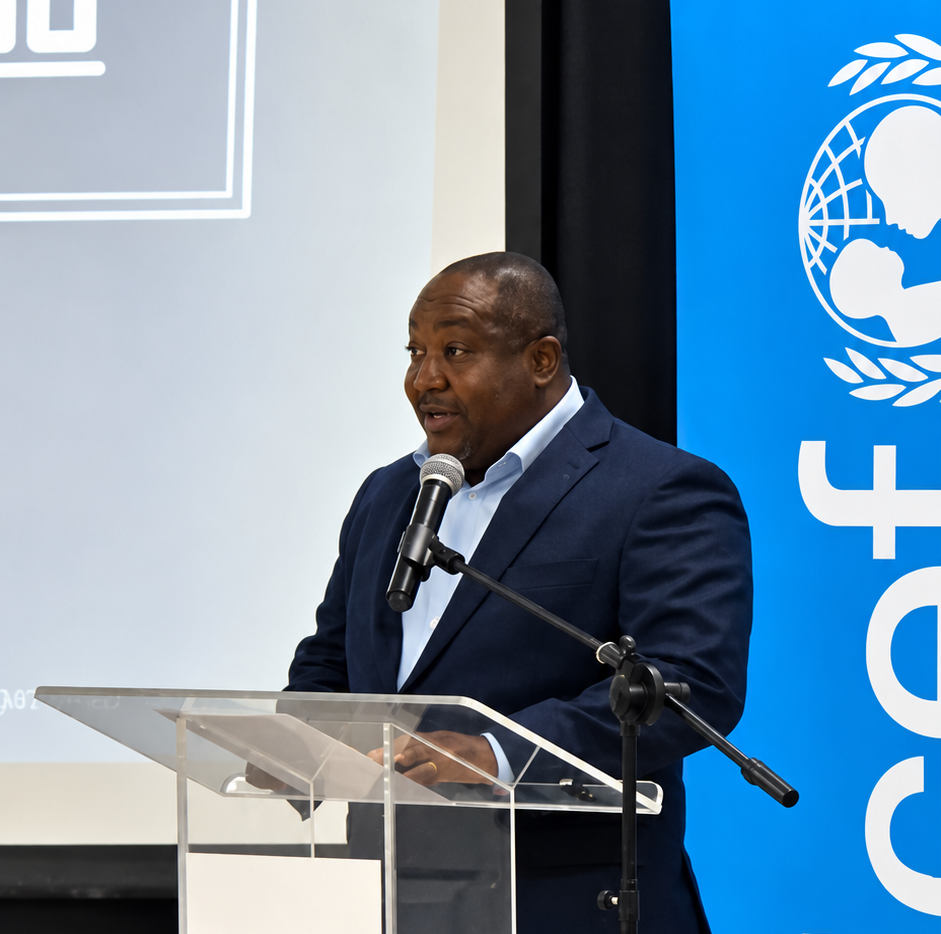
A landmark climate analysis commissioned by UNICEF has delivered a stark warning for Barbados and other Eastern Caribbean nations: by the middle of this century, prolonged, frequent moderate to severe drought could become an expected annual reality, lasting up to four months every year and putting critical systems from water access to food production and childhood development at severe risk. The landmark study, carried out by environmental consultants Meru Labs across six Eastern Caribbean nations – Barbados, Dominica, Grenada, St Kitts and Nevis, Saint Lucia and St Vincent and the Grenadines – delivers the most targeted assessment to date of how climate change will specifically impact children across the region. When presenting the findings at an event in Saint Lucia this week, lead researcher Irina Bird Reddiar highlighted the dramatic shift from current baseline conditions. At present, drought accounts for roughly 21% of annual conditions across the region, but by 2050 that figure will jump to nearly 33%, with Barbados and Grenada facing the most severe increases. The projections already align with the dry and hot conditions Barbados has experienced throughout 2024. After an unusually dry first five months of the year that saw most of the year’s total rainfall fall in just a handful of days in January and March, the Barbados Meteorological Services issued persistent drought warnings from June through July, extending drought watches through October. Even the official start of the wet season in June did not bring the sustained rainfall needed to replenish depleted freshwater reserves, with forecasters noting that short, heavy bursts of rain do not effectively replenish underground aquifers the way prolonged steady rainfall does. Low water reserves have already disrupted access for many communities across Barbados. Last month, the Barbados Water Authority (BWA) warned that low levels at the critical Bowmanston catchment in St John, which supplies large swathes of rural Barbados, would lead to intermittent low pressure and temporary outages across sections of St John, St George and St Philip, prompting the deployment of water tankers to affected areas. While the BWA has not directly linked current low reservoir levels to long-term climate change, the new study warns that increasingly frequent dry conditions will place permanent, growing strain on three core systems: potable water supplies, agricultural production, and school sanitation. Beyond water access, agriculture – a sector central to many local household economies across the region – faces massive output losses: research cited in the report finds drought can cut local food production by between 20% and 40%. For families that rely on farming or other climate-sensitive livelihoods, this drop in output translates directly to lower household incomes and rising rates of food insecurity. Water shortages also create major sanitation challenges, particularly at schools, which serve as a central community hub for tens of thousands of children across the Eastern Caribbean. What makes these impacts particularly concerning, researchers emphasize, is that their harm to children extends far beyond the duration of the drought itself. Repeated climate shocks, the study notes, contribute to higher rates of childhood malnutrition, force widespread school interruptions, and create long-term developmental setbacks that persist for years after the dry spell ends. Beyond drought, the report also highlights rising temperatures as a growing threat. Under a high greenhouse gas emissions scenario, average temperatures across the six study countries are projected to rise by 1.4°C by mid-century. That shift will add more than 80 extra days per year where temperatures top 30°C, and more than 10 extra days above 32°C. These extreme heat days make outdoor work dangerous, worsen public health risks, and severely disrupt in-person learning for students. Compounding this risk is the overlapping timing of peak heat, hurricane season and the start of the school year between August and October, creating a perfect storm of overlapping threats for communities and children at the start of every academic year. In response to the findings, regional leaders have called for a fundamental shift in how governments budget for climate adaptation. Saint Lucia’s Minister of Agriculture, Fisheries, Food Security and Sustainable Development Lisa Jawahir argued that governments cannot delay investing in resilience until climate impacts are already catastrophic, comparing proactive planning to packing an umbrella before a rainstorm. “We cannot wait until the rain is falling to buy the umbrella,” Jawahir said, urging finance ministries across the region to incorporate annual climate resilience spending into regular budget cycles, to protect current and future generations of children from preventable harm. The study outlines a clear roadmap for action, recommending a mix of interventions including climate-smart agricultural practices, expanded water storage and conservation infrastructure, livelihood diversification for climate-dependent households, and nature-based solutions that leverage natural ecosystems to reduce climate risk. It also calls for investment in improved early-warning systems, pre-positioning of emergency supplies, and flexible financing that can be activated before a forecast drought or heatwave hits, rather than only responding after a crisis develops. However, the research also identifies critical barriers to progress: consultations with regional stakeholders found that proactive, anticipatory climate measures remain chronically underfunded compared to long-term structural infrastructure projects. Limited national budgets and a lack of capacity to develop competitive climate funding proposals are among the most common barriers holding back action. Crucially, lead researcher Reddiar stressed that these risks are not a distant problem for future generations to solve. “This is not a future scenario. It’s already happening,” she said, pointing to the ongoing drought and heat conditions already impacting communities across Barbados today.