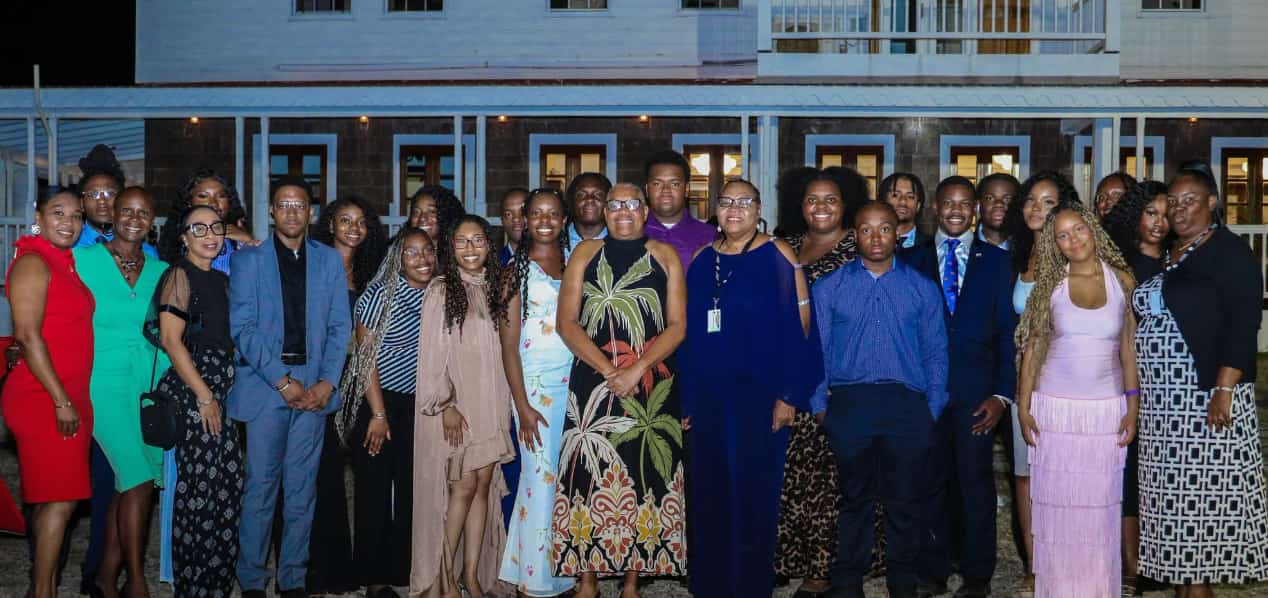
For decades, members of the global St. Kitts and Nevis diaspora have pushed for a solution to a long-standing gap in the nation’s citizenship laws, one that has left thousands of people with Kittitian and Nevisian ancestry born abroad locked out of formal citizenship. Now, their years of advocacy are one step closer to resolution, after the island nation’s cabinet formally approved the tabling of the *Citizenship (Amendment) Bill, 2026* that would open a new eligibility pathway for this group.
The cabinet’s decision to advance the bill was finalized and announced to the public on September 14, 2026, with additional official details released by the government one day later. The core change outlined in the proposed legislation targets adults born outside the Federation of St. Kitts and Nevis on or after September 19, 1983 — the exact date the country gained full independence from the United Kingdom. Under the new rules, these individuals will be eligible to apply for citizenship registration if they can prove they have a parent or grandparent who held St. Kitts and Nevis citizenship at the time of independence.
Current constitutional rules have failed to accommodate this group of diaspora descendants, a gap the proposed reform is explicitly designed to close. Officials stress that the new pathway does not grant automatic citizenship based solely on ancestry. All applicants must meet strict requirements: they must provide verifiable documentation of their familial connection to the federation, pass thorough security screenings, and satisfy all other eligibility criteria laid out in the draft legislation.
Officially shared to the public via the St. Kitts and Nevis Information Service’s official Facebook page, the reform comes after decades of sustained pressure from diaspora communities. For generations, descendants born abroad have raised the issue through multiple channels: overseas embassies and consulates, global community and family associations, and other advocacy platforms. The demand for change gained formal traction last year, when a petition on the matter was introduced to the country’s National Assembly in 2025.
Acting Prime Minister Dr. Geoffrey Hanley confirmed the government’s responsiveness to these long-standing requests in an official statement, noting “this government has listened” to the concerns of citizens and descendants living outside the federation. The bill is not yet law, however: its first reading in the National Assembly is scheduled for September 18, 2026, when the body convenes at 10:00 a.m. local time for its scheduled session.