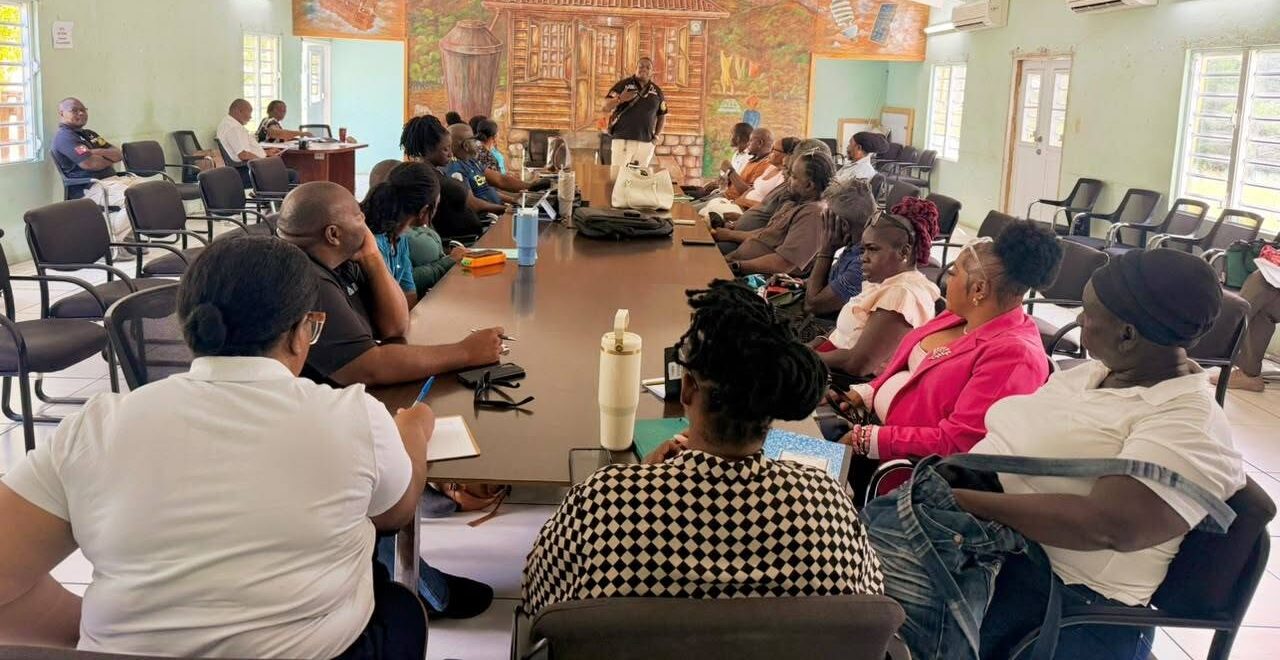
In a significant step toward modernizing national disaster response infrastructure, the National Office of Disaster Services (NODS) has launched a targeted capacity-building workshop to train local disaster management teams on digital damage assessment workflows using KoboToolbox, with technical backing from the Surveys and Mapping Division.
Hosted at the Department of Environment (DOE), the one-day intensive workshop brought together District Disaster Coordinators (DDCs) and their frontline response teams, marking a key milestone in NODS’ ongoing transition away from error-prone, slow paper-based damage assessment processes to a streamlined, accurate digital system. Unlike legacy methods that can delay data aggregation and sharing during critical response windows, KoboToolbox—an open-source, free digital platform—offers flexible capabilities for data collection, organization, and visualization, making it particularly well-suited for use in humanitarian emergencies, remote low-resource regions, and field-based development projects.
The workshop combined instructor-led live demonstrations with immersive hands-on practice, walking participants through every stage of disaster data management: from setting up customized damage assessment forms on the platform to collecting field data, cleaning aggregated datasets, and sharing real-time insights with national response stakeholders. Training facilitators emphasized that timely, high-quality damage data is the foundation of effective disaster management: it allows response teams to accurately identify communities with the most urgent needs, coordinate inter-agency relief deployments, and lay the groundwork for efficient long-term recovery.
At the close of the workshop, NODS leadership urged participating DDCs and their teams to integrate the new digital tool into their regular preparedness and response workflows, noting that widespread adoption will strengthen cross-team communication, standardize reporting processes, and improve overall coordination during large-scale emergency events. The initiative underscores NODS’ long-term commitment to strengthening national disaster management capacity and boosting the country’s overall resilience to climate and disaster shocks through accessible, fit-for-purpose modern technology.