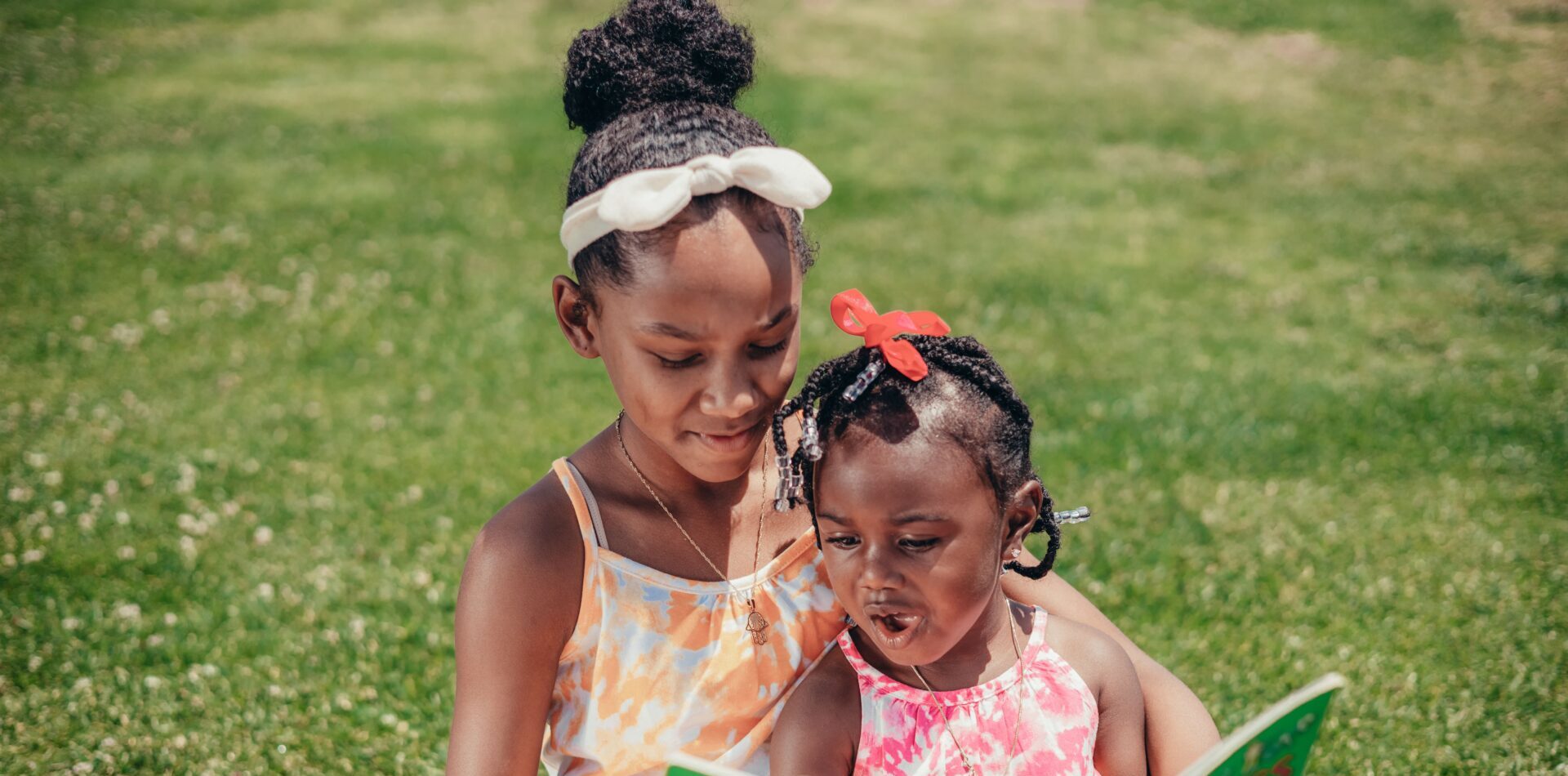
Against the backdrop of International Literacy Day’s 60th anniversary in 2026, new global data lays bare a stark, ongoing crisis that undermines one of humanity’s most fundamental rights: the right to read and write. As former UN Secretary-General Kofi Annan once put it, gaining literacy is an empowering journey that unlocks access to knowledge, broadens worldviews, opens new opportunities and builds pathways to better lives. Yet even in 2024, at least 739 million young people and adults across the globe still lack basic literacy skills – and more than half of that group, 475 million people, are women.
This literacy gap extends beyond adult populations to the world’s schoolchildren. UN data shows that four out of 10 children fail to reach minimum reading proficiency, and 272 million children and adolescents remained out of school in 2023. For educators and policymakers, one of the greatest ongoing challenges is that there is no universal solution to closing literacy gaps. Too often, struggling readers are treated as test subjects for unproven intervention strategies, caught between competing school policies and left waiting for the support they desperately need right now. This trial-and-error approach has contributed to a widespread negative perception of reading: for many students, reading feels like a punishment, shaped by harmful socialization patterns at both home and school.
This negative view of reading has only worsened in the digital era, where physical books have been pushed to the margins by omnipresent smartphones and tablets. A key overlooked barrier to effective literacy support is the underdiagnosis of Language-Based Learning Disabilities (LBLD), a group of neurological differences that impact how a person processes, understands and uses spoken and written language. LBLD arises from a mix of neurobiological variations in brain function and environmental factors, including learning environments and instructional approaches. There are several specific conditions that fall under the LBLD umbrella: dyslexia, which affects accuracy in reading, writing and spelling; dysgraphia, which impairs age-appropriate writing skills, from physical pen control to translating thoughts into text; and combined expressive and receptive language disorders, which leave people struggling to both share their own ideas and understand what others communicate.
The core of effective support for students with LBLD is adapting curricula and instruction to their needs, providing specialized, explicit, structured and multisensory learning paired with ongoing guided practice targeted at their specific weaknesses. Yet even as awareness of LBLD grows, systemic gaps leave millions of students without this critical support.
Held every September 8 since 1966 to draw global attention to literacy’s transformative power, International Literacy Day (ILD) 2026 marks the 60th anniversary of the annual observance, with a new theme: “Literacy for people, the planet and prosperity”. The theme frames literacy as a unifying force that drives social inclusion, builds sustainable futures, and expands livelihood opportunities and economic growth. This year’s anniversary offers a critical moment to reflect on decades of progress, confront long-standing and newly emerging challenges, and set a clear global agenda for expanding literacy access for all. Celebrations will highlight gains made since the 2015 adoption of the UN Sustainable Development Goals, while elevating effective policies, community practices and cross-sector partnerships that deliver results.
Regional data from Latin America and the Caribbean illustrates how uneven progress remains across the globe. While the region boasts an average adult literacy rate of roughly 94%, that average masks massive gaps between nations. Top performers including Barbados, Trinidad and Tobago, Antigua and Barbuda, and Cuba have near-universal literacy rates, ranging from 99.8% to 99.9%. Jamaica sits at 88%, Dominica at 94%, and Haiti has an estimated adult literacy rate of just 62%. Even in nations with high overall school enrollment, functional literacy and reading proficiency remain a critical crisis, particularly at the primary school level.
Experts emphasize that literacy is first and foremost a fundamental human right, one that acts as a gateway to accessing all other human rights, greater personal freedom and active global citizenship. It is the foundation for building broader knowledge, values and attitudes that foster lasting peace, equality, non-discrimination, and harmonious relationships between people and the planet. Contrary to common framing, literacy is more than just the basic ability to sign a name or read a sentence: it is the tool that enables people to participate fully and inclusively in their societies. People who lack literacy are far more likely to face systemic marginalization and social exclusion, and struggling student readers often develop harmful maladaptive behaviors as a result of their unmet needs.
Systemic shortcomings deepen the crisis. There is a critical global shortage of qualified, creative literacy specialists in schools, and many educators currently working in literacy roles lack the training and innovative approaches needed to make meaningful progress in addressing student reading deficits. This points to a broader leadership gap at both the school and ministry of education levels across many nations.
The literacy crisis is also deeply intertwined with global inequality and poverty. Students from affluent households can access private tutoring and targeted support to address reading gaps, while low-income students are too often stuck in overcrowded, under-resourced classrooms where high-quality teaching and learning are impossible. For these marginalized students, the fundamental human right to literacy is routinely violated. Yet the transformative power of reading cannot be overstated: its impacts stretch across generations, and true literacy goes far beyond basic word recognition to build comprehension, fluency and automatic understanding of written text.
With literacy under growing threat from systemic underinvestment and shifting digital habits, educator and commentator Wayne Campbell, author of this analysis, argues that governments must step up with urgent, targeted action. As a global community, he says, we must reimagine education to dismantle the harmful “dunce culture” that shames struggling readers. This toxic culture did not develop overnight, and undoing it will require coordinated effort and sustained investment. It also calls on education systems to once again act as a vehicle for transmitting positive values about learning across society.
The personal and societal benefits of widespread literacy are well-documented. For individuals, reading builds knowledge, exposes people to new ideas, and boosts imagination by encouraging readers to build worlds and perspectives in their own minds. Reading diverse stories also helps readers understand experiences and lives different from their own. It improves writing skills by exposing learners to a wide range of writing styles, sentence structures and vocabulary, regardless of whether a person is writing short social media content or long-form fiction. Multiple studies confirm that reading is a powerful stress reducer: just six minutes of focused reading can cut stress levels by up to 68% by easing muscle tension and calming the mind. It also expands vocabulary for learners of all ages, improving communication skills and general comprehension.
As the world marks the 60th anniversary of International Literacy Day, the 2026 theme frames literacy not just as an individual skill, but as a core driver of broad social, environmental and economic progress. The anniversary celebration is designed to take stock of six decades of progress, name the challenges that remain, and shape the next generation of literacy policies and programs to deliver equitable access for all. As former U.S. President Barack Obama once noted, reading is the gateway skill that makes all other learning possible.