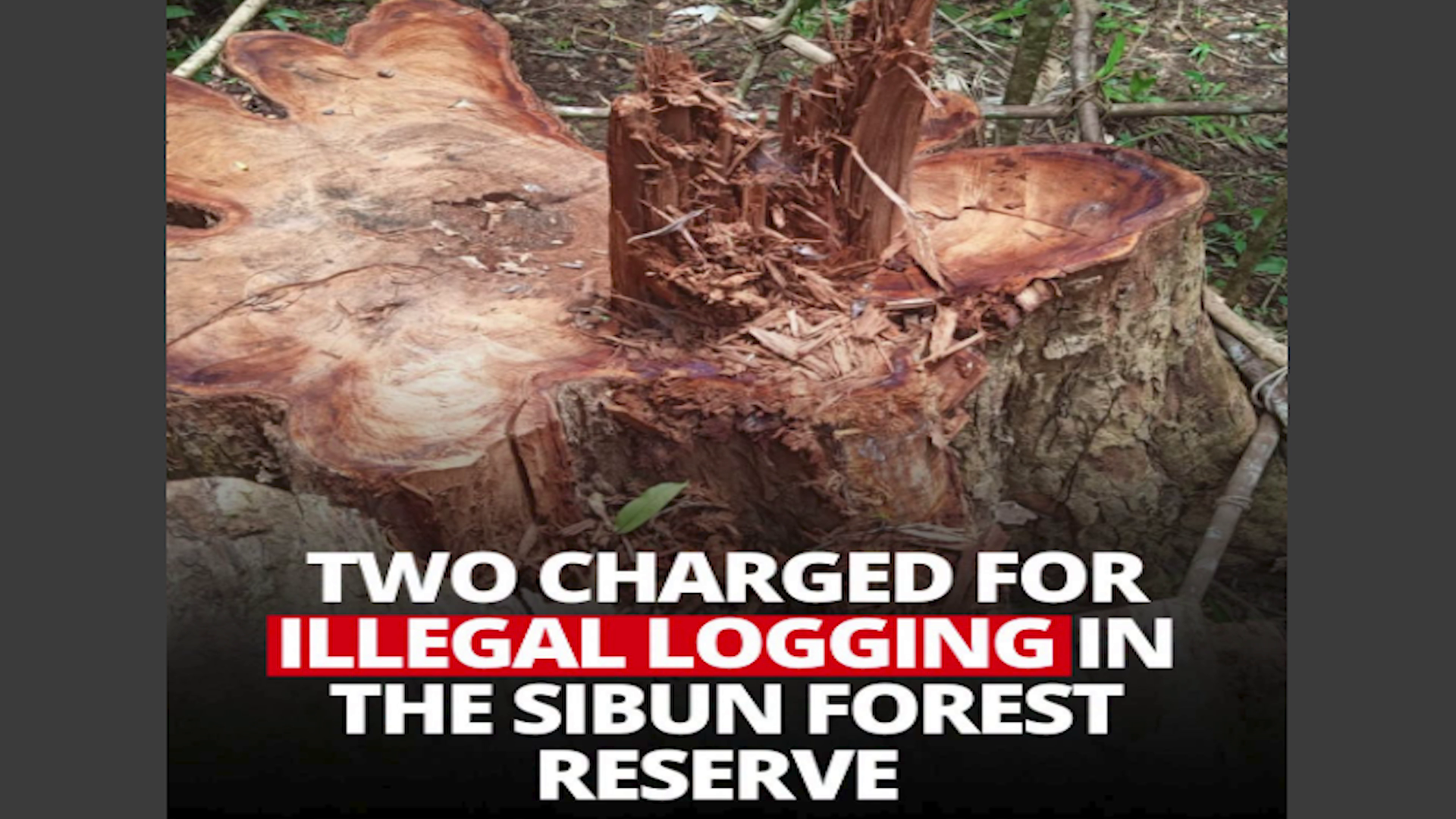
In a planned law enforcement operation targeting suspected illegal mahogany logging in Belize’s Cayo District, authorities have secured charges against two alleged offenders—though a leaked viral video of the operation has sparked public speculation about misconduct within the national Forest Department. Speaking publicly to clarify the details of the operation, Sustainable Development and Forestry Minister Orlando Habet pushed back against the narrative implied by the circulating footage, emphasizing that the video only captures a narrow slice of a coordinated, court-authorized investigation.
The operation, which Habet has dubbed a targeted sting, grew out of months of unconfirmed tipoffs to the Forest Department’s compliance unit. For some time, authorities had received repeated allegations that two local men were engaged in unlicensed mahogany harvesting, a valuable protected timber in Belize, but investigators lacked the concrete evidence required to pursue prosecution. The breakthrough came when an anonymous tip led the compliance unit to the Cayo District property where the suspected stolen lumber was stored.
Habet walked through the sequence of events that led to the controversial video footage: First, compliance officers responded to the after-hours tip in the evening, arriving at the property to find a working tractor, a utility vehicle, and stacks of cut mahogany. With darkness falling and no search warrant in hand to enter the locked premises, officers could only document what they saw and planned to return the next day. When they arrived the following morning, much of the mahogany had already been moved, prompting investigators to secure a formal search warrant from the courts and request backup from the police department’s Major Investigation Unit (MIU).
Armed with the warrant, officers cut the lock on the property’s entrance, seized the remaining mahogany lumber that had been left behind, and launched the sting tactic that would eventually lead to arrests. To draw out the people behind the illegal operation, officers intentionally transported the seized lumber through populated areas, pretending they planned to sell the stolen timber on the black market. The strategy worked exactly as planned: as the convoy neared its staged destination, one of the suspected illegal loggers approached the group and publicly claimed ownership of the mahogany. That on-the-record claim gave investigators the evidence they needed to take both suspects into custody, and the pair have since been formally charged and referred to Belize’s court system.
The viral video that circulated online only captured officers entering the property and handling the seized mahogany, omitting all context about the warrant, the ongoing investigation, and the intentional sting strategy. Habet pushed back against suggestions of improper conduct by the department, noting that all steps of the operation followed legal protocol, and the unusual tactic was necessary to build a prosecutable case against a ring that authorities had long been unable to bring charges against. Illegal logging remains a persistent threat to Belize’s protected tropical forest ecosystems, with valuable hardwood like mahogany frequently targeted by unlicensed harvesters for sale on international black markets.