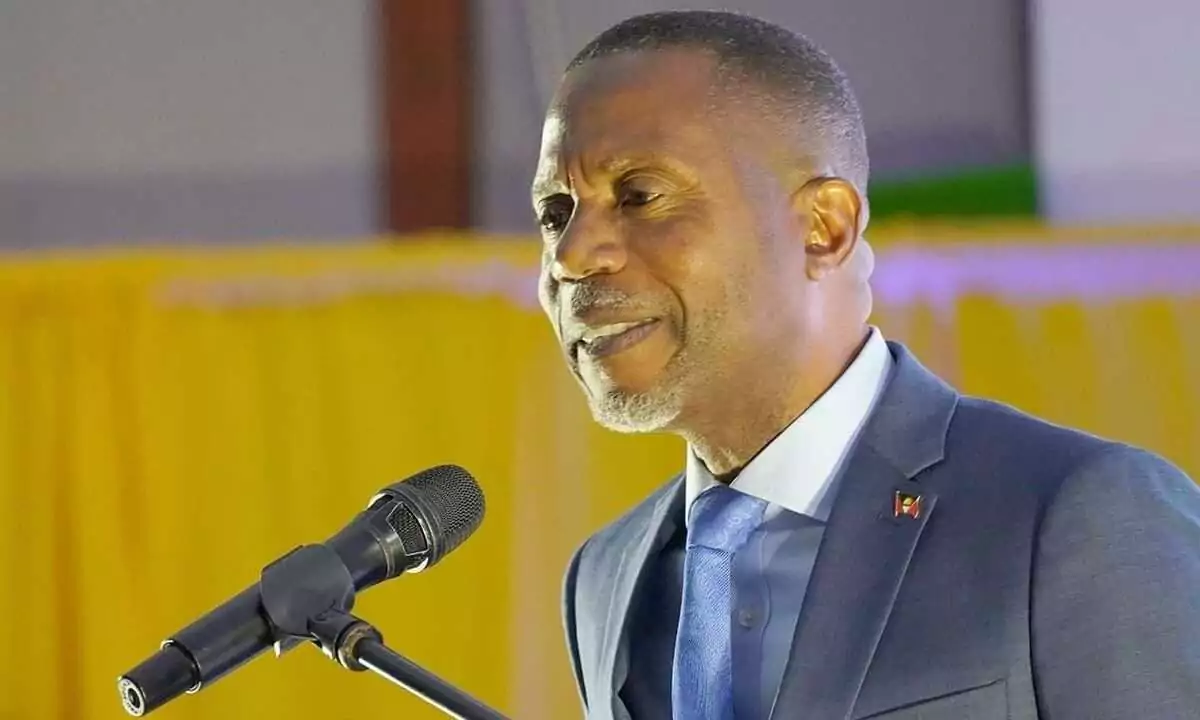
Nine years have passed since Hurricane Irma left a trail of widespread destruction across the small Caribbean island of Barbuda, and local representative Trevor Walker has sounded the alarm over a deepening education crisis that threatens the academic futures of the island’s secondary students. As the only secondary education institution on the entire island, Barbuda’s single secondary school is currently grappling with debilitating staff shortages that have left multiple core subject areas completely unstaffed or forced to rely on substandard remote learning arrangements, Walker revealed in an interview with Observer Radio.
According to the Barbuda MP, mathematics classes are currently being delivered entirely online, with no on-island instructor permanently assigned to the role. The staffing gap is not isolated to mathematics: physics, chemistry, biology and art instruction are all without dedicated on-site teachers as well. Walker emphasized that this crisis carries particularly high stakes for students currently preparing for their Caribbean Examinations Council (CXC) assessments, noting that the lack of consistent in-person instruction directly puts these young learners at a major disadvantage, with the potential for lasting negative impacts on their exam outcomes and future academic and professional opportunities.
Beyond the pressing education emergency, Walker has once again raised questions about a major post-hurricane donation that has never reached the island. Following Irma’s 2017 landfall, the Morgan Foundation contributed an estimated 3 million Eastern Caribbean dollars, equivalent to roughly 1 million US dollars, for recovery efforts. Walker claims that none of these funds have ever been disbursed to Barbuda, and alleged that Prime Minister Gaston Browne has told officials the money is now effectively “dead.”
Walker also addressed the broader state of Barbuda’s recovery nearly a decade after the storm, acknowledging incremental progress in some sectors even as he highlighted long-unresolved gaps. Housing reconstruction, he said, is still ongoing, with work driven by labor programs run by the Barbuda Council in partnership with international donor support. He also recognized two major improvements in health services: medical evacuation airlifts organized by the Antigua and Barbuda Defence Force have become far more reliable, and upgrade work for medical equipment at the island’s only hospital is continuing.
Yet critical infrastructure projects remain stalled, Walker said. Planned road rehabilitation work across the island has ground to a halt, leaving a key community need unaddressed. He also reaffirmed his longstanding opposition to the 2018 repeal of the Barbuda Land Act, a deeply controversial policy change that overturned the island’s centuries-old system of communal land ownership. Walker labeled the repeal an act of “disaster capitalism,” exploiting the disruption of the hurricane to push through unpopular changes to the island’s most fundamental social and economic arrangement.
To address the root of many of Barbuda’s ongoing challenges, Walker has renewed his call for widespread constitutional reform. He argued that Barbudans deserve formal, legally enshrined rights to make their own decisions about the island’s future development and policy direction, rather than having key changes imposed from outside.
This report draws on original reporting by Sharon N. Simon of the Antigua Observer.