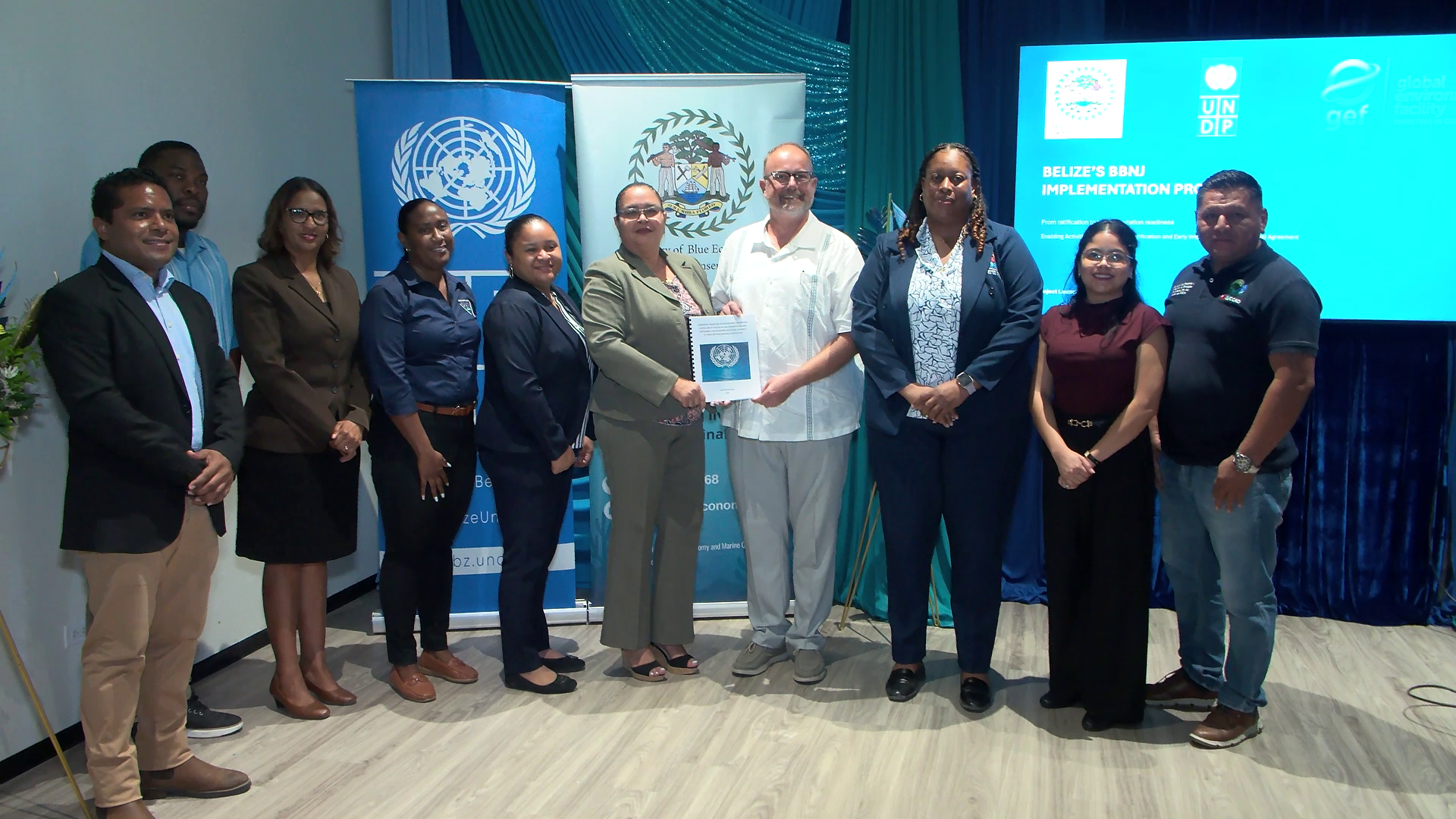
On September 7, 2026, Belize cemented its position as a global climate and ocean conservation trailblazer by officially launching a national implementation framework for the United Nations High Seas Treaty, in partnership with the country’s Ministry of the Blue Economy and the United Nations Development Programme (UNDP). As the first nation in the Caribbean and Central American region, and only the third country across the globe, to ratify the landmark global agreement, Belize is moving rapidly to align its domestic ocean governance policies with the treaty’s ambitious conservation goals.
Belize’s involvement in shaping the High Seas Treaty stretches back years, long before the agreement was finalized. Beverly Wade, Chief Executive Officer of Belize’s Ministry of the Blue Economy, explained that the small coastal nation played an outsized role in guiding the treaty’s negotiation process. On behalf of the Caribbean Community (CARICOM) and the Alliance of Small Island States (AOSIS) — two blocs representing dozens of climate-vulnerable coastal and island nations — Belize led key negotiating working groups, with Belizean Ambassador Felson serving as co-chair of one of the core panels drafting the treaty’s official text.
Wade emphasized that for a small island nation like Belize, high seas protection is not a distant global issue — it is a matter of domestic survival. “What affects the high seas affects us,” Wade noted, adding that Belize also has a clear stake in fair, managed access to the resources of areas beyond national jurisdiction. The new implementation framework, she said, will build the institutional and regulatory mechanisms Belize needs to both protect vulnerable high seas ecosystems and exercise its legal right to access these areas responsibly.
Michael Lund, Deputy Resident Representative of UNDP Belize, praised the country’s unprecedented speed and commitment to turning global ocean commitments into local action. Lund pointed out that the High Seas Treaty took 20 years of international negotiation to finalize, making Belize’s early ratification and rapid launch of an implementation framework all the more notable. “Belize again shows that it is punching above its weight indeed and engages internationally,” Lund said. “It shows that it is not just countries with the largest fleet but the fastest feet.”
The UN High Seas Treaty, a landmark global agreement focused on protecting the 64% of the world’s oceans that lie outside of any single country’s national borders, covers four core priority areas: the fair and sustainable management of marine genetic resources, capacity building for developing nations to advance ocean conservation, the development of comprehensive environmental impact assessments for activities on the high seas, and area-based conservation and management tools to protect vulnerable marine ecosystems. For small island developing states like Belize, which face disproportionate risks from ocean degradation and climate change, early action on the treaty sets a critical precedent for other nations in the region and around the world to follow.