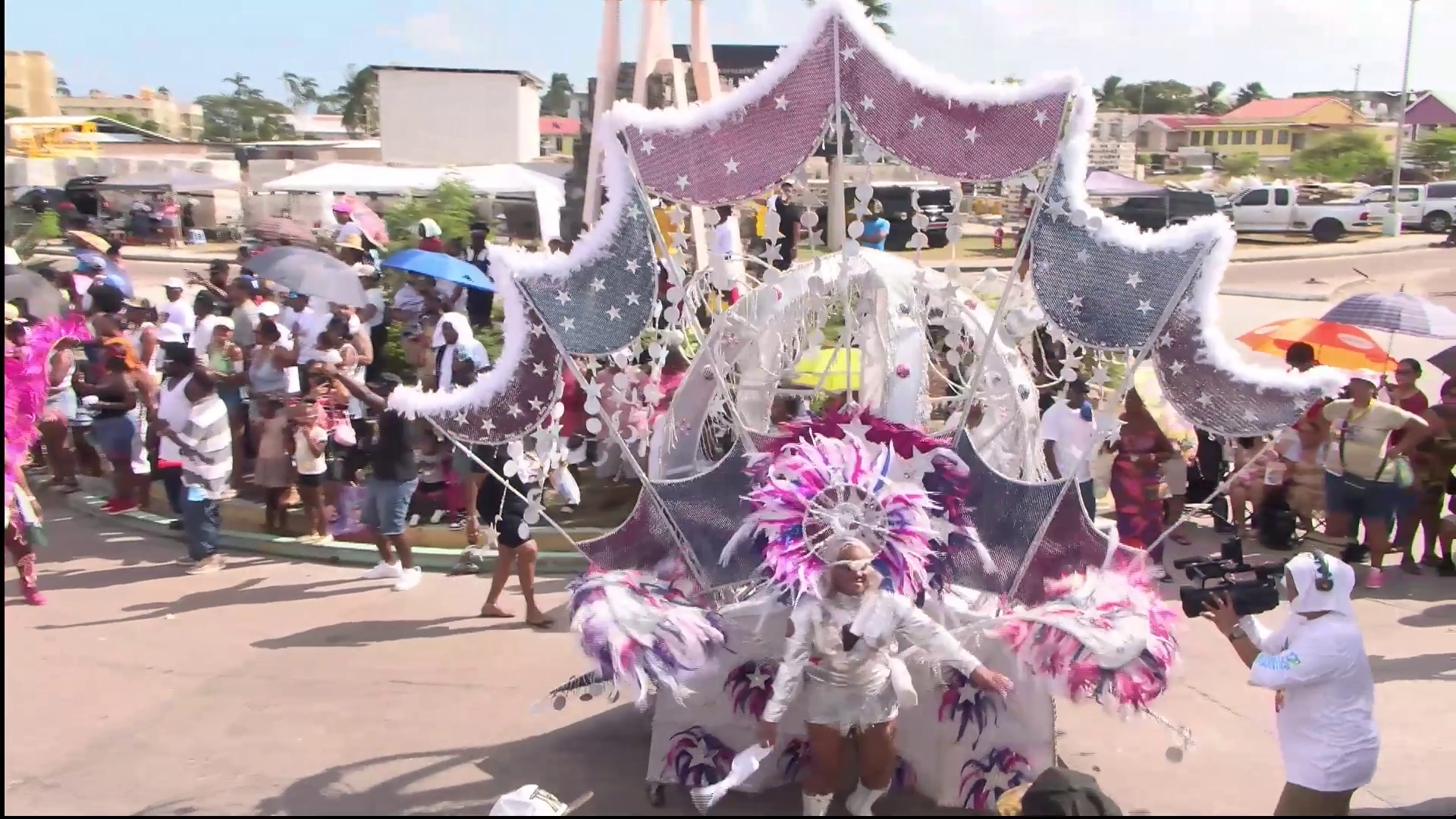
Belize’s 2026 Carnival Road March drew one of the largest, most energetic crowds the annual cultural spectacle has seen in recent years. Amid the dazzling costumes, pulsing soca beats and joyful street parades, however, growing tensions and structural flaws within the event have moved to the forefront of industry conversations. The 2026 competition saw several of the nation’s most popular and high-profile Carnival bands opt out of the Road March entirely, leaving a single mas camp to claim an unchallenged victory. This lopsided outcome has sparked urgent concerns among stakeholders that the beloved annual event is losing its core competitive spirit, just as regional Carnival events draw increasing numbers of local attendees away. Now, as the Belize Carnival Association prepares to hold its first leadership election in decades this coming November, industry leaders, long-time sponsors and cultural stakeholders are engaged in heated debate over what reforms are needed to reinvigorate the Road March and secure the future of Belizean Carnival. News Five correspondent Shane Williams explores the challenges facing the event ahead of the critical vote.
The 2026 Road March delivered the same familiar winners to the podium: Soca Moca claimed the senior division crown for the sixth consecutive year, while Soca Massive retained the junior division title. While Soca Moca’s historic six-peat will go down in Belizean Carnival history, the entire event now stands at a critical crossroads. For the first time in more than 30 years, the Belize Carnival Association will open leadership elections to new candidates this November, and the incoming governing body will face the urgent task of reimagining the Road March to compete with a growing number of dynamic regional Carnival celebrations that increasingly draw local and international travelers away from Belize’s event.
Veteran Belizean promoter and businessman John Marsden, who has studied Carnival operations across the globe for decades, argues that fundamental changes to scheduling, marketing and ancillary programming are needed to boost competitiveness and attendance. “I believe we have to market our dates at minimum more than six months in advance, right? Give people a good amount of months to plan, prep, buy tickets, because the cost of tickets is not cheap to reach Belize around high season perse. And carnival is known to be a higher peak of flights, right? So the airlines normally take that up. So marketing is one. We have to try find a way to bridge the gap between sponsorship from the private sector to try help the bands in a number of ways.”
Marsden emphasizes that Belize already has all the raw ingredients to host a world-class Carnival, from abundant local creativity to unmatched street energy, but event organizers need to adopt a bolder, more holistic approach to building the annual celebration. “Yes, you will have prettier costumes. Yes, you will have more energetic people but you have to find a way to make coming to Carnival more exciting. I have this party to go to, this artist to come in, have our Belizean people step up their game in the music, make them perform, make them get more stage show, right? Learn to make the parties surrounding the Carnival weekend more exciting, more generous, more – encourage more people to come in, right? And all blend into one because if the surrounding parties are good, anywhere you go, any Caribbean country, any – if we want to consider Brazil, it’s the parties surrounding the Carnival that make it exciting and not necessarily solely the Carnival itself.”
Funding gaps have emerged as the single biggest barrier to greater competition: only two senior bands participated in the 2026 Road March, with most other top groups opting out due to lack of financial resources. Complicating this issue, reports indicate that much of the annual private sponsorship funding is allocated to non-competing bands, including well-known groups like Titans and Belizean Jewels. Longtime Carnival sponsor Reynaldo Malik explains that outdated event rules may be directing much-needed sponsorship revenue away from competing bands. Private businesses seek robust brand visibility in exchange for their investment, but current regulations cap major competing bands like Soca Moca and Mother Nature to just one parade truck, severely limiting the brand exposure they can offer backers.
Drawing on successful models from regional Carnivals, Malik has called for a rule overhaul that would allow every interested band to compete, including the introduction of separate small and large band categories, permission for multiple parade trucks for bigger groups, and a renewed focus on rewarding creative costume and performance design. The incoming leadership will also need to balance growing demands for a more family-friendly event with the preservation of Belize’s long-held Carnival traditions. The Belize Council of Churches has stated it supports the nation’s cultural heritage but has called for participants to adopt more modest attire, particularly given that the event is open to attendees of all ages.
As the November election draws closer, the central question remains: which candidate will be able to navigate these competing expectations and steer Belize Carnival into a new, more sustainable era of growth? Shane Williams reporting for News Five.