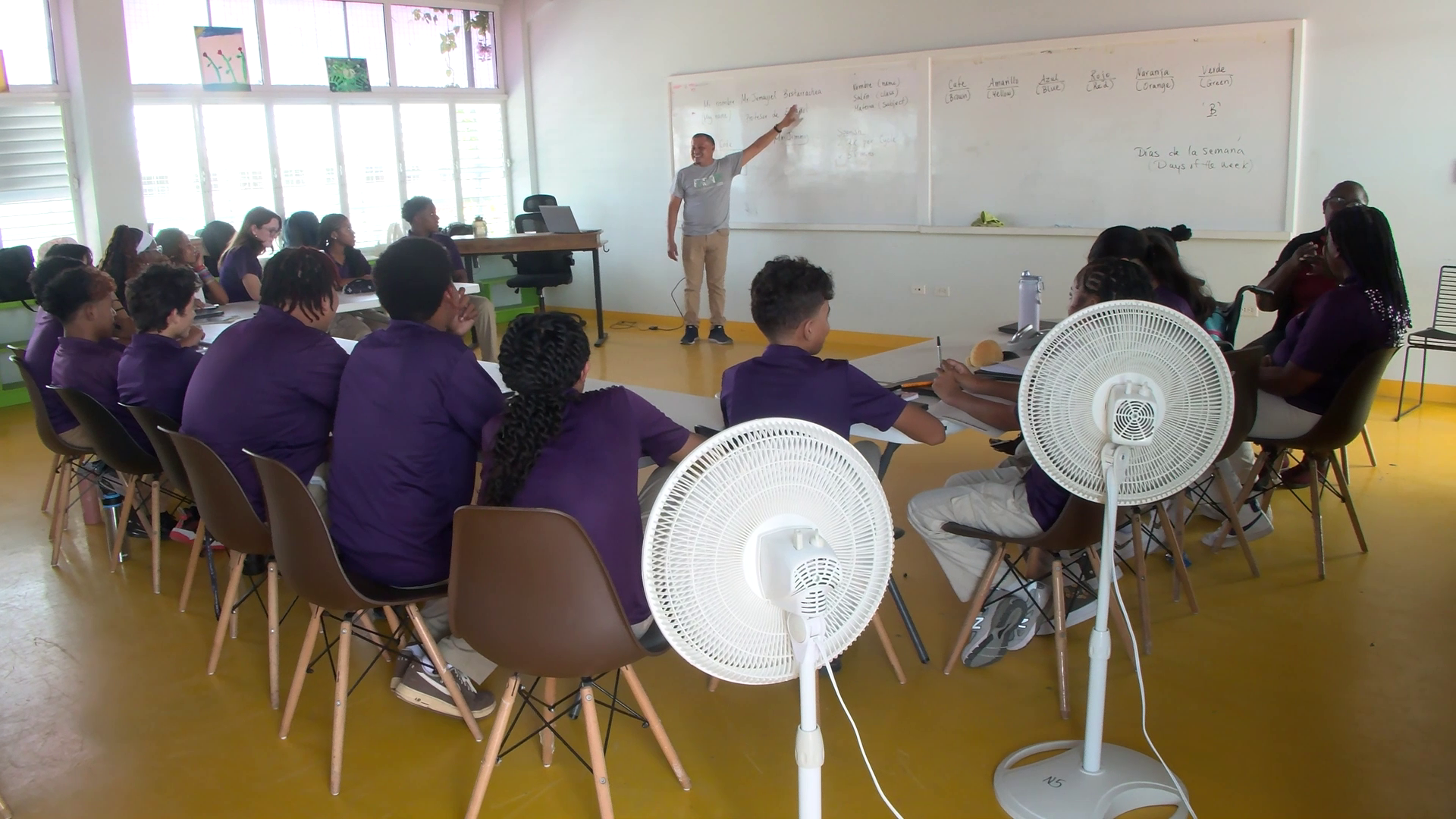
As the 2026 academic year kicks off across Belize, a gap in accessible education has come to the forefront, with multiple deaf students returning to in-person classes without the critical support of a qualified sign language interpreter. The ongoing shortage has left parents of deaf learners and disability rights advocates sounding the alarm, warning that the lack of accommodation undermines the fundamental right to equal educational opportunity for deaf and hard-of-hearing students across the country.
In a recent public address addressing the growing concern, Belize’s Minister of Education Francis Fonseca acknowledged the severity of the crisis, confirming that the nation’s total pool of certified, professionally trained sign language interpreters numbers fewer than 12 people. This extremely limited workforce is far outstripped by demand across the country’s K-12 and higher education institutions, leaving many students without the communication access they need to fully participate in classroom learning.
Fonseca explained that while the Ministry of Education has recognized the shortage for years and has implemented incremental strategies to expand the workforce, systemic barriers have slowed progress. For nearly a decade, the ministry has offered targeted scholarship programs to encourage Belizeans to pursue interpreter training and national certification, and has ramped up these outreach efforts in recent months. The government has also run repeated public job advertisements to fill both full-time interpreter roles and para-professional support positions for special needs students, many of whom require full-time in-class assistance to access their lessons.
Even with these active efforts, Fonseca was frank about the challenges the ministry continues to face, pointing to low compensation as a core structural barrier attracting new professionals to the field. “These jobs don’t pay much, that’s the reality,” he noted, adding that officials are now exploring adjustments to compensation packages to make careers in sign language interpretation more financially attractive for new trainees.
The minister emphasized that his office remains committed to addressing the needs of affected families, stating that every available resource is being directed to mitigate the shortage and resolve access gaps as quickly as possible. Disability advocacy groups have echoed the call for faster action, noting that delayed access to interpretation puts deaf students at a permanent disadvantage in academic progress and long-term educational outcomes.