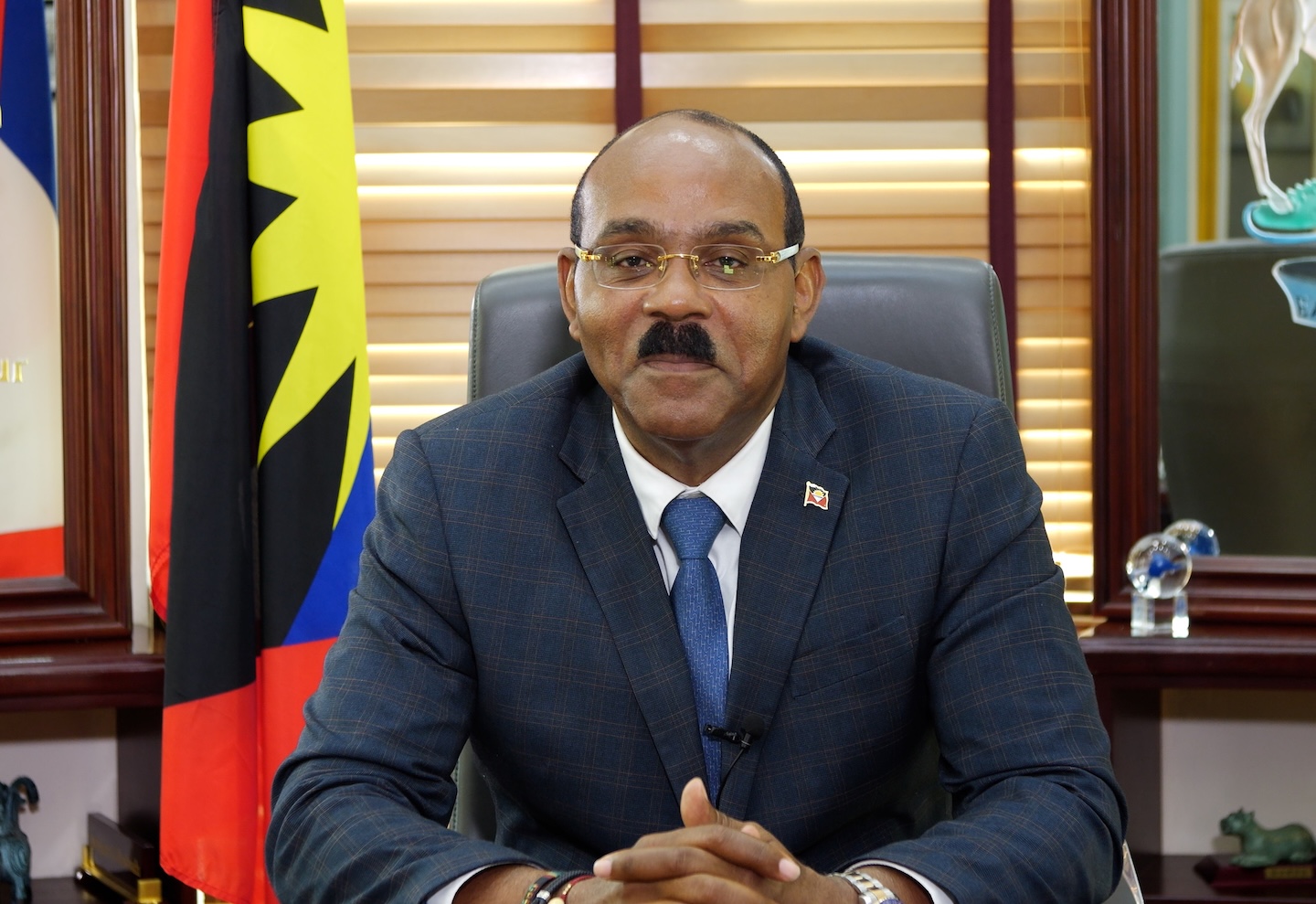
Against a backdrop of persistent global instability and mounting economic strain on small developing nations, Antigua and Barbuda’s Prime Minister Gaston Browne has confirmed that the country’s 2024 economic growth will land between 3.5% and 4% — a noticeable downgrade from the government’s earlier projection of 5% to 6%. While the revised growth rate falls short of official aspirations, Browne emphasized that the twin-island nation has avoided the economic contraction that has impacted many peer economies, and its economic trajectory remains on a stable, expanding path.
Browne pointed to skyrocketing global energy costs as the single biggest headwind dragging down growth. The government had previously forecast that ongoing international conflicts would de-escalate and energy prices would trend downward by mid-year, but those optimistic predictions have failed to materialize. As international oil rates have stayed elevated, the country’s long-running fuel subsidy program, designed to shield consumers from full price volatility at the pump, has quickly become a massive financial drain on public finances.
Under current policy, the Antigua and Barbuda government foregoes between 3 million and 4 million Eastern Caribbean dollars (EC$) in monthly fuel-related tax revenue. Over the past six months alone, this lost revenue has hit EC$24 million, and the government has accumulated an additional EC$15 million in outstanding debt to the West Indies Oil Company. The combined financial hit from the subsidy now totals nearly EC$40 million. If energy prices continue to rise and the government maintains the subsidy at its current level, Browne warned that total losses could surge to as much as EC$100 million within just a few months, creating an unsustainable burden on the national budget.
Even with these fiscal and growth challenges, Browne reaffirmed that the country’s core economic fundamentals remain solid. He noted that continued expansion, even at a slower pace, puts Antigua and Barbuda in a stronger position than many other small developing states grappling with post-pandemic recovery and global economic headwinds. While this announcement reflects a downward adjustment from earlier projections, it is not being categorized as a formal official forecast revision by the prime minister’s office, given the informal context of the disclosure.