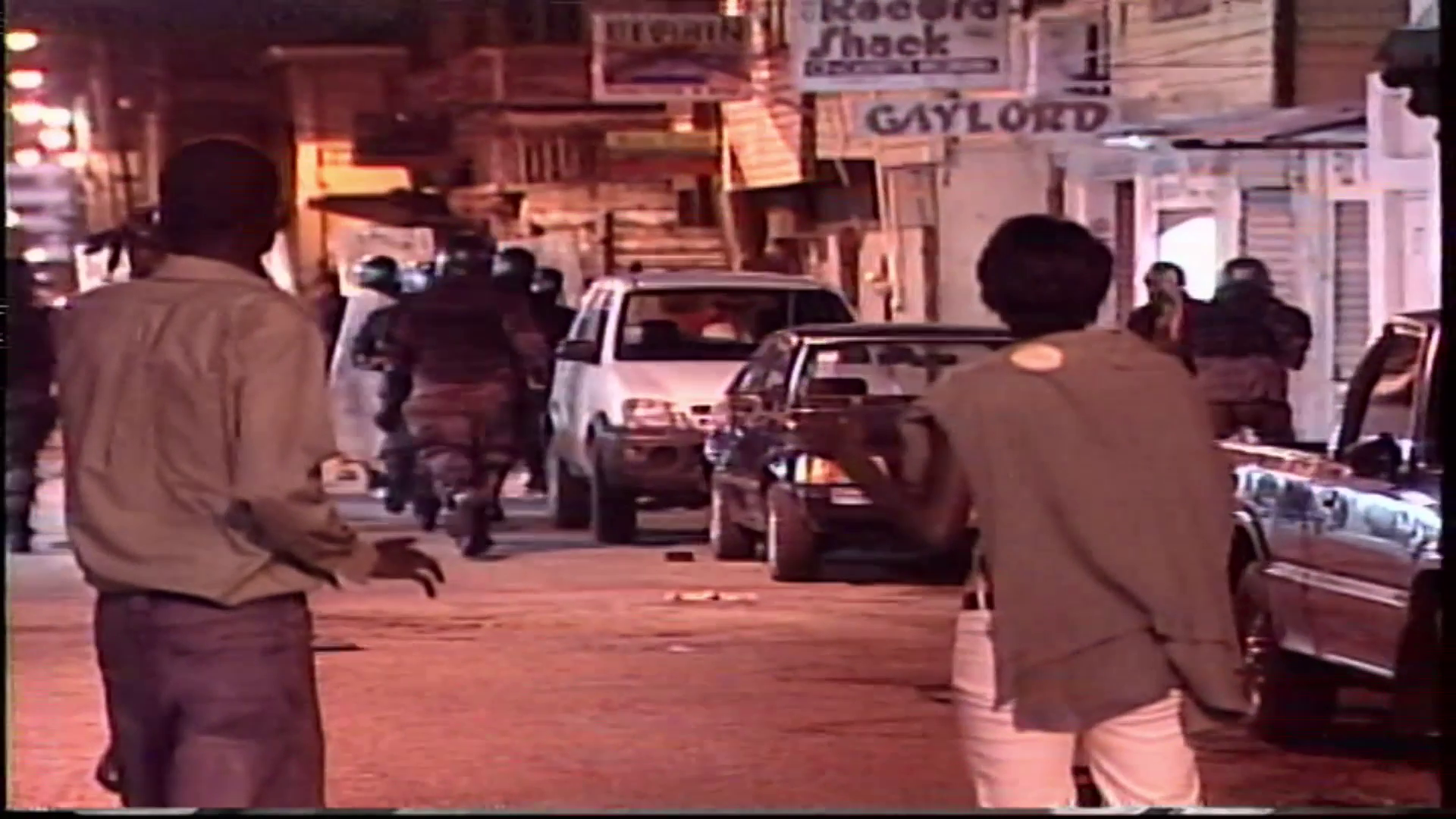
In a stark warning issued to Belize’s government and public, senior union senator Glenfield Dennison has raised alarms that simmering public discontent over current economic and political pressures could snowball into mass national protests on a scale that would outstrip the widespread demonstrations the country saw in 2005.
During an interview with local media on August 28, 2026, Dennison was asked whether the rising frustration across organized labor and the general public could push the nation into a repeat of the 2005 mass uprising, when widespread opposition united different sectors against the ruling government. The union senator drew direct parallels between current tensions and the conditions that preceded the 2005 protests, stressing that those historic demonstrations did not emerge spontaneously.
Dennison reminded audiences that the 2005 movement built gradually over months, as anger accumulated across multiple layers of Belizean society around a series of unpopular government policies. He traced the slow groundwork back to 2003, when early opposition blocs began to form, and civil society groups slowly aligned to push back against national policy, particularly tax measures. Even when the early organizing stage was dismissed as mere talk by critics, the movement continued to gain momentum until it erupted into mass action.
Drawing comparisons to earlier tensions over the BTL (Belize Telecommunications Limited) dispute, Dennison noted he first began to see echoes of 2005 months ago, when opposition lawmakers blockaded a bridge in protest over the detention of political figure known as Yellowman. Today, he argued, the slow build of discontent is already underway, with small coalitions of frustrated groups forming across the country just as they did two decades ago.
By his assessment, current conditions have left the nation primed for a mass movement that will make the 2005 protests look like a minor public demonstration. This warning comes as Belize faces sustained economic and political pressures that have fueled growing dissatisfaction with the national government across multiple sectors, from organized labor to ordinary working households.
This report is adapted from a transcript of an evening television newscast, with local Kriol language remarks standardized in spelling for clarity.