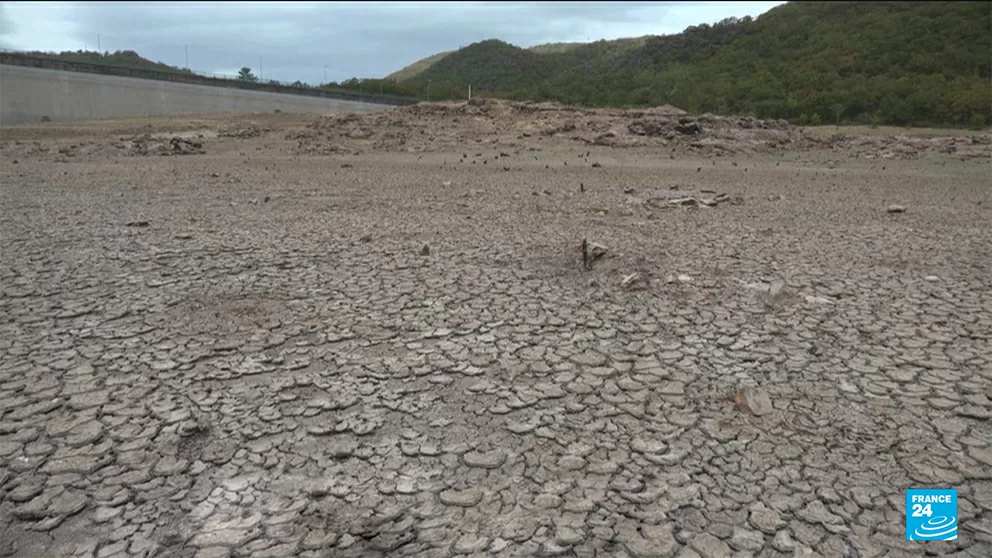
Three Central American nations now face escalating climate-driven crisis after Panama and El Salvador followed Honduras in declaring national emergencies over an extreme drought fueled by one of the strongest El Niño events in decades. The devastating dry conditions have already disrupted critical global shipping through the Panama Canal and stoked widespread fears of acute food shortages across the drought-stricken region.
Panama’s Interior Minister Dinoska Montalvo confirmed that the emergency declaration will grant national and local authorities expanded powers to prepare for and respond to the far-reaching impacts of this El Niño event, which has already inflicted severe damage to regional crop yields and pushed hunger risks to multi-year highs. Alongside Panama’s emergency order, El Salvador has enacted a state of maximum preparedness to step up surveillance, real-time monitoring, and emergency relief delivery to communities devastated by the drought. The country’s civil protection ministry issued a nationwide red alert for both meteorological and agricultural drought across all of its territory via social media.
El Niño is a recurring climate pattern marked by elevated sea surface temperatures in the central and eastern equatorial Pacific Ocean. This shift triggers widespread disruptions to global wind patterns and rainfall cycles, resulting in unseasonable, often extreme weather across every inhabited continent. This year’s event is ranked among the most intense recorded in recent memory, and it is a key contributor to the ongoing surge in global average temperatures that are on track to hit the highest levels ever documented.
For Central America, this powerful El Niño has translated to prolonged, record-breaking dry conditions. Honduras was the first to act, placing roughly 80% of its national territory under heightened alert earlier this year. At the Panama Canal, which connects the Atlantic and Pacific Oceans and handles roughly 5% of global maritime trade, falling water levels from lack of rain have forced authorities to cut daily transits and impose draft restrictions on larger vessels, snarling global supply chains.
In El Salvador, the near-total absence of the heavy seasonal rains that normally fall at this time of year has led to widespread crop failure across large swathes of the country. The nation’s ministry of agriculture has announced targeted food aid distributions for rural households that lack access to irrigation infrastructure to sustain their crops through the drought. Many affected municipalities in El Salvador fall within the Central American Dry Corridor, an arid zone stretching across parts of Honduras, Nicaragua, and El Salvador that has long been identified as one of the most climate-vulnerable regions in the Western Hemisphere.
All three affected nations broke monthly temperature records in June and July, adding to growing alarm over impending food insecurity. In El Salvador alone, 14 new national temperature records were broken in the first weeks of August. The crisis is not limited to Central America: last week, Peru declared a national emergency for more than a third of its cities, as the same El Niño event brings a dangerous mix of extreme heat and torrential rainfall that threatens to disrupt the South American nation’s food production as well.