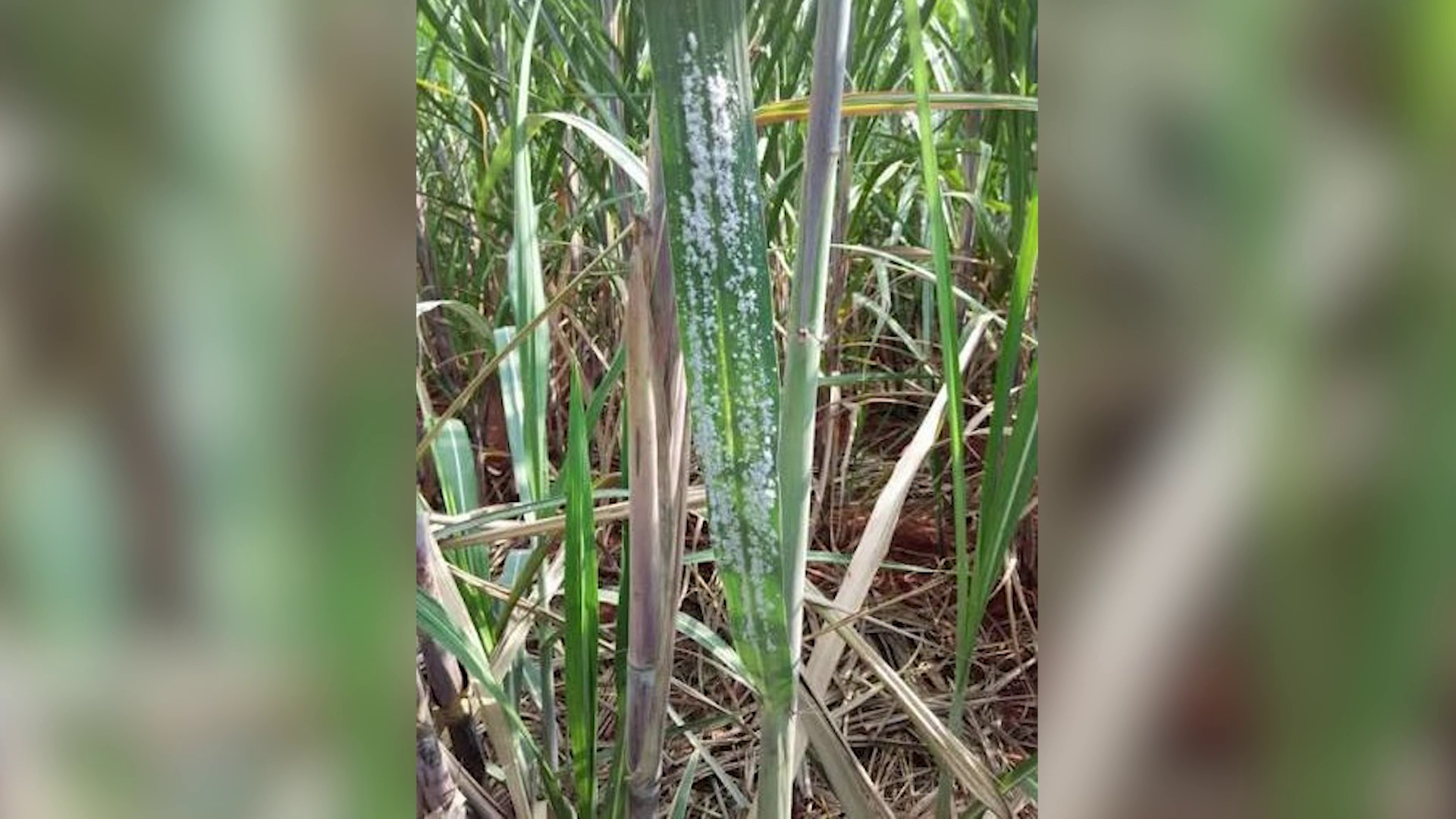
As of August 27, 2026, Belize’s $100 million sugar industry is facing an unprecedented cascade of challenges that put upcoming harvests and long-term industry stability at risk. From plummeting cane yields and widespread labor gaps to persistent crop diseases and the rapid spread of a destructive invasive pest, the sector is grappling with threats that have already hit export revenues, with an $18 million drop recorded between July 2025 and July 2026. While industry leaders confirm that large-scale shipments to key global markets, the United States and European Union, are still slated for the final months of 2026, the path to full recovery hinges on urgent, coordinated action to address the crises unfolding in sugarcane fields across the country.
In a recent interview, Shawn Chavarria, Director of Finance at Belize Sugar Industries (BSI), outlined the industry’s ongoing emergency response to the most immediate threat: the invasive mealybug pest that has already infiltrated thousands of acres of sugarcane crops. As Chavarria explained, industry stakeholders have actively lobbied the Belizean government for targeted financial support, with a focus on securing both low-interest loans and grant funding for smallholder farmers to roll out large-scale pest control measures.
According to Chavarria, agrochemical treatment to bring mealybug populations under control is set to begin no later than early September 2026, following final administrative approvals for funding. The coordinated campaign aims to treat approximately 50,000 acres of vulnerable sugarcane land, building on the targeted control work BSI has already completed on its own commercial fields.
The mealybug poses a particularly severe threat to sugarcane health: the pest feeds on cane leaves, damaging the plant’s ability to carry out photosynthesis, which in turn causes whole stalks to dry out prematurely and leads to drastic drops in usable cane yield. Chavarria emphasized that industry leadership is monitoring the outbreak closely, but the full extent of damage to 2027’s harvest remains uncertain at this early stage. If the pest is not contained effectively, he warned, the country could see another significant drop in cane production next growing season.
Chavarria also sought to ease concerns over the steep decline in export earnings recorded over the past 12 months, noting that the drop is largely a function of shifted shipment timing rather than a collapse in overall demand. Major export deliveries to the U.S. and EU remain on track for later this year, which is expected to partially offset the current revenue gap.