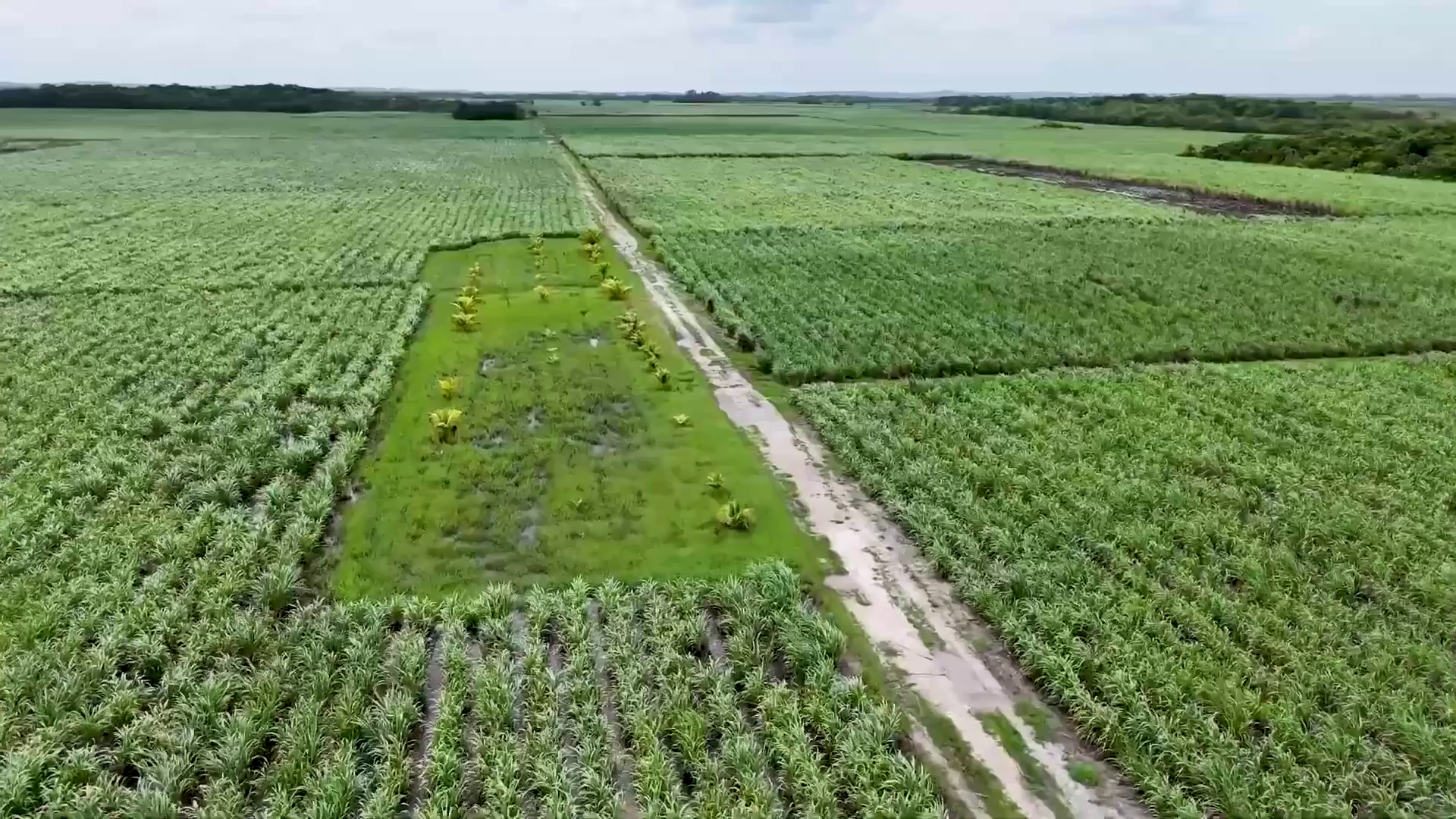
Dated August 27, 2026, Belize’s foundational agricultural sector is facing an unprecedented crisis that has left thousands of farming households on the brink of economic collapse, with the sugar industry leading the downturn. Freshly released data from the Statistical Institute of Belize (SIB) confirms that sugar export earnings have plummeted by more than $18 million compared to figures from July 2025, marking one of the sharpest single-year declines the sector has seen in decades. What is more, the slump is not isolated to sugar: citrus exports have also dropped sharply, dragging down overall agricultural performance and amplifying fears about the long-term stability of Belize’s traditional agribusiness sectors.
Multiple overlapping challenges have combined to create this perfect storm for sugarcane farmers across the country’s sugar belt. According to Alfredo Ortega, Vice Chair of the Belize Sugar Cane Farmers Association (BSCFA), the 2026 harvest ranks among the worst in 35 years. Widespread unharvested cane was left rotting in fields this season, driven primarily by a critical nationwide labor shortage that has plagued the industry for two consecutive growing cycles. Beyond labor issues, per-acre yields have fallen dramatically, and global sugar prices remain stuck at unsustainably low levels, a double blow that has gutted farmer incomes.
Pest and disease infestations have compounded these struggles, with delayed intervention allowing destructive pests and pathogens to spread unchecked across growing regions. Mealybugs, fusarium wilt, cane worms and froghoppers have all cut into production volumes, reducing total cane deliveries to processing facilities. Ortega noted that while farmers have advocated for better pest management for months, slow action from regulators and industry bodies allowed the infestation to escalate into a full-blown crisis.
The crisis has spurred calls for both immediate relief and long-term systemic change. Former Belizean Agriculture Minister José Abelardo Mai warned that conditions are likely to worsen before they improve, arguing that the industry cannot survive on raw sugar exports alone. Mai pushed for urgent diversification, noting that sugarcane farmers are currently the lowest-income group in Belize’s agriculture sector. As one viable alternative, he proposed expanding the use of sugarcane byproducts to generate electricity, creating a new, steady revenue stream for producers that would buffer against fluctuations in global sugar markets.
Ortega and the BSCFA have long backed diversification efforts, but they point to a long-standing dispute over revenue sharing from existing byproduct energy production that has left farmers undercompensated. Bagasse, the fibrous byproduct of sugar processing, is already used to power portions of Belize’s electricity grid, but farmers currently receive only 30 to 35 cents per ton of delivered cane for this resource. The BSCFA has been negotiating for a fairer cut of revenue tied to actual energy sales, but talks have stalled for years with no resolution in sight.
The agricultural downturn extends far beyond sugar, painting a grim picture of Belize’s overall trade balance. SIB data shows citrus export earnings have fallen by $2.4 million, while molasses revenue has collapsed from $2 million to less than $100,000. Marine product exports have also dropped by $1.3 million, driven by weakening lobster sales and a total disappearance of shrimp exports from national trade figures. Sheena Pitts, Chair of the United Democratic Party (Opposition), highlighted the growing trade imbalance: in the first quarter of 2026 alone, imports hit $807 million while exports reached only $65.4 million, leaving a $741.7 million merchandise trade deficit. Pitts argued the widespread losses signal deep structural weaknesses across Belize’s core productive sectors, noting that even the government has acknowledged the citrus industry is in decline and requires urgent revival.
After months of mounting pressure, limited relief is finally on the way. Ortega confirmed that a government-funded treatment program coordinated through the Sugar Industry Research and Development Institute (SIRDI) is launching the same day as the report, with free insecticides and professional spraying services distributed to farmers to contain the mealybug infestation ahead of the next growing cycle. Farmers, industry stakeholders and the Opposition continue to pressure the government to roll out broader, longer-term support measures to prevent the downturn from pushing more farming families into poverty and destabilizing rural communities across the country.