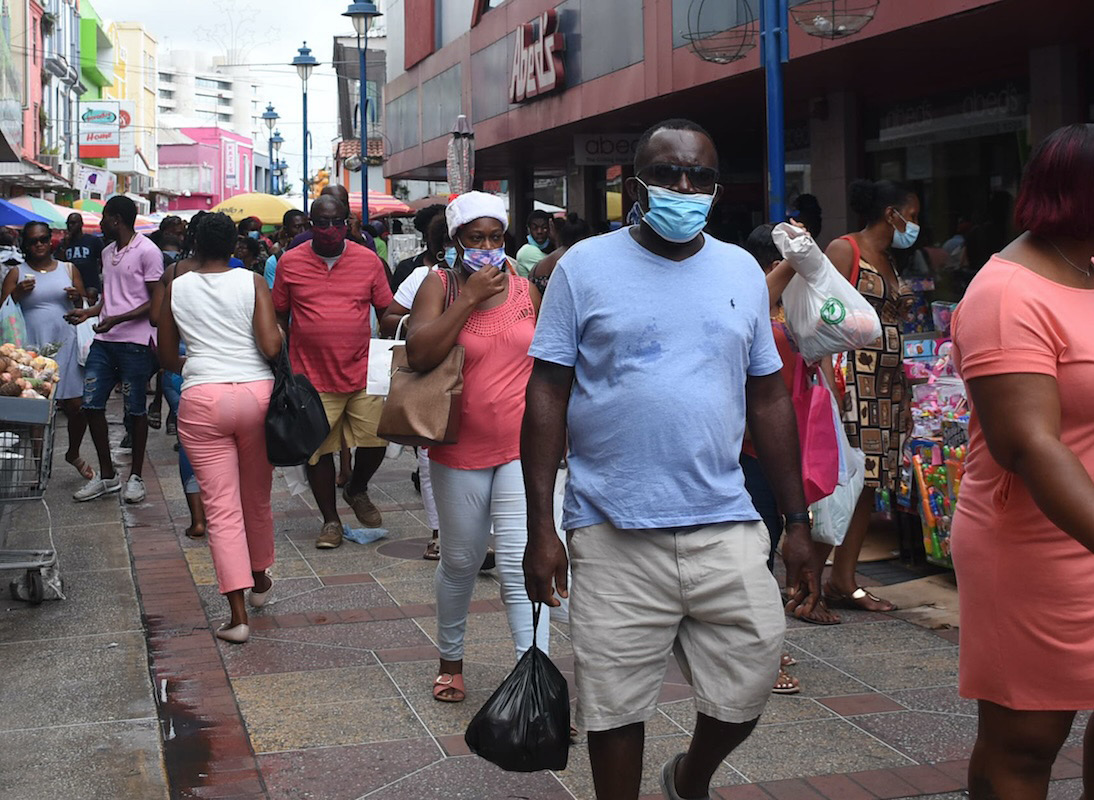
After two consecutive weeks of falling infection rates, public health authorities have recorded a sharp rebound in fever and respiratory disease cases among populations aged five and older, pushing overall activity above official alert thresholds in the week ending August 15. Data from the Ministry of Health and Wellness confirms that COVID-19 makes up the largest share of positive diagnostic tests from nasopharyngeal swab samples, with Influenza B and Rhinovirus ranking as the second and third most common pathogens detected, respectively. The upward trend has been corroborated by frontline medical providers: both the emergency department of Queen Elizabeth Hospital and private practicing clinicians across the country have reported a noticeable jump in patient visits for respiratory symptoms over the past week. Public health officials have flagged three groups as facing disproportionately high risk of developing severe complications from these circulating viruses: adults over the age of 65, pregnant people, and individuals living with pre-existing chronic health conditions. To slow transmission and protect vulnerable communities, the ministry has issued a series of updated public health guidance. For people currently experiencing symptomatic illness, authorities recommend wearing a face mask when coughing or sneezing in proximity to others, avoiding close contact with high-risk individuals, maintaining consistent hand and respiratory hygiene practices, and seeking prompt medical care if symptoms become severe. For members of the high-risk groups specifically, the ministry further advises considering mandatory mask use in crowded indoor spaces and poorly ventilated public areas, alongside adopting other additional precautionary measures while respiratory virus circulation remains elevated. This update was released via official communication from the Ministry of Health and Wellness and the Government Information Service.