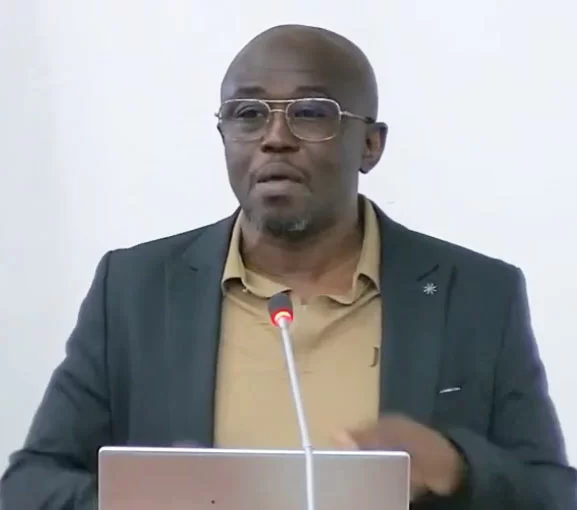
During a Friday debate on amendments to Suriname’s Code of Criminal Procedure in the National Assembly (DNA), lawmaker Stanley Betterson of the ABOP party has issued an urgent call for more robust government intervention to crack down on individuals who spread baseless accusations through social media platforms that destroy the reputations of private citizens.
Betterson highlighted how even a routine, innocent interaction between law enforcement and a resident can quickly spiral into damaging public gossip. If a police vehicle is spotted parked outside a person’s home, onlookers often jump to conclusions about criminal wrongdoing, regardless of whether the resident is actually a suspect, let alone guilty of an offense. In the past, such unfounded rumors would typically stay confined to a neighborhood or small local community. Today, however, social media platforms allow these damaging claims to spread at breakneck speed, reaching audiences far beyond Suriname’s borders in a matter of hours.
The parliamentarian warned that the proposed expansion of law enforcement investigation powers will likely lead to more ordinary citizens coming into contact with official criminal probes at some point in their lives. This increased interaction does not equate to guilt, yet public perception often fails to draw this critical distinction. The harm from these rumors extends far beyond the person connected to the investigation, Betterson emphasized. Entire families are dragged into the controversy, and children of the accused are often targeted by bullies at school, leading to long-lasting emotional damage. In many cases, affected residents do not even know where the original baseless accusations originated, leaving them with little recourse to clear their names.
Against this backdrop, Betterson stressed that the government and national legislature must introduce targeted measures to better protect ordinary citizens from the deliberate spread of harmful, unfounded claims. He argued that stronger protections are a critical counterpart to expanding law enforcement powers: while cracking down on crime remains a necessary priority for the country, policy makers must also put safeguards in place to prevent innocent people from suffering permanent harm from online rumors and public suspicion. A criminal investigation should not automatically label a person as guilty in the court of public opinion, he concluded.