Suriname’s national police force has issued an urgent warning over a sharp rise in harmful and dangerous behavior among the country’s young people, with issues ranging from substance abuse to violent viral social media trends increasingly demanding law enforcement attention.
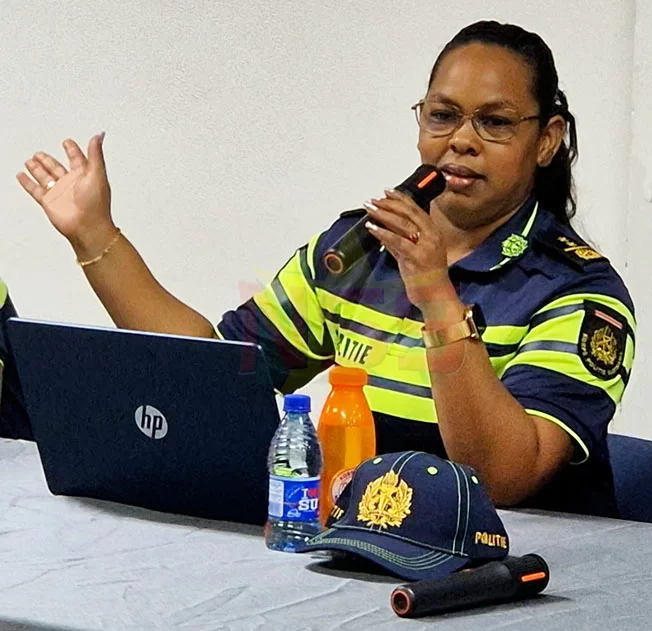
Speaking at a press briefing with senior police leadership on Wednesday, Commissioner Ishita Hunte, head of the Suriname Police Service’s (KPS) Serious Crime Combat Division (BZC), stressed that the growing youth problem requires urgent collective attention from across society.
One particularly alarming trend Hunte highlighted is the viral “Guess Who Slapped Me Challenge,” a harmful social media trend that forces a blindfolded young person to be hit by other participants, then guess which person delivered the blow. The dangerous stunt has already led to multiple incidents requiring police intervention, according to Hunte.
With the summer holiday period in full swing, Hunte issued a direct warning to parents: children have far more unstructured free time while many working parents are unable to provide constant supervision, making it critical for caregivers to stay informed about what activities their children are engaging in, both online and offline.
Beyond viral dangerous challenges, KPS has documented clear upward trends in underage alcohol and drug consumption across the country. Local schools have repeatedly reached out to police to request educational outreach addressing pervasive bullying, grooming, and other harmful interpersonal behaviors among students. During routine bag checks at school campuses, officers have also recovered a growing number of dangerous weapons and prohibited items in recent months.
To counter these developments, the Suriname Police Service has ramped up community outreach and educational initiatives designed to help young people understand the serious short- and long-term risks of substance abuse and behaviors that cross legal and social boundaries.
However, senior police leadership emphasized that the root of the youth crisis cannot be addressed by law enforcement and judicial authorities alone. Problematic and criminal behavior among young people often stems from deeper, unaddressed societal issues that require coordinated intervention from multiple sectors.
Police officials stressed at the briefing that a connected, whole-of-society “chain approach” that brings in other public institutions, community organizations, schools, and families is essential to turning the tide. “We cannot solve this crisis with only police and judicial action,” leadership reiterated during the event.