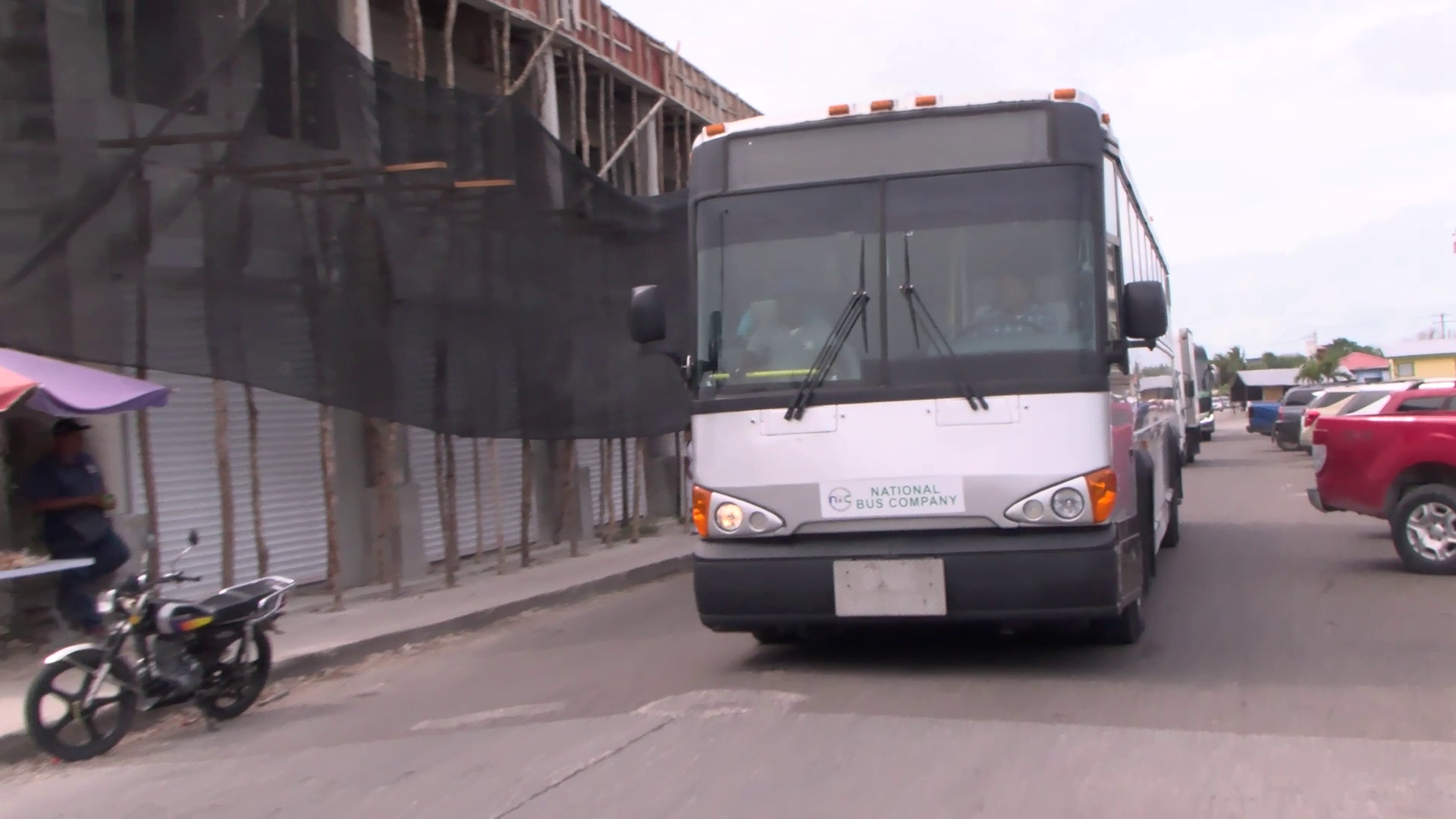
On August 26, 2026, the United Democratic Party (UDP), Belize’s main opposition political force, has launched a formal accusation against the national government over allegations of rigging the public transportation market to benefit the state-owned National Bus Company at the expense of independent local operators.
Speaking at a publicly broadcast press conference, UDP chair Sheena Pitts laid out the opposition’s case, highlighting a stark double standard in the government’s current policy approach. Private independent bus operators across the country have been left in limbo since a temporary government diesel subsidy expired, with repeated requests for extended support going unanswered. To date, the administration has refused to confirm whether the fuel subsidy will be renewed, forcing small, locally owned operators to absorb rapidly rising fuel costs that many describe as financially unsustainable. Worse, Pitts claims, government rhetoric has publicly framed private operators as greedy, unreasonable troublemakers for pushing for continued assistance.
Even as private operators face this economic pressure, Pitts points out, the government has introduced the Public Transportation Investment Bill 2026 to the national legislature. The draft legislation formalizes a major injection of public capital into the National Bus Company, in which the government holds a direct ownership stake. If passed, the bill would also transfer critical public transportation assets—including major bus terminals across the country—to the state-controlled firm, while granting it broad tax and duty exemptions that private competitors do not qualify for.
Pitts warned that this lopsided policy framework creates an unlevel playing field that will systematically squeeze independent Belizean bus operators out of the industry. For a sector dominated by small local businesses, this displacement would not only threaten hundreds of local livelihoods but also consolidate control of Belize’s entire public transportation network into a small number of state-connected hands, eroding competition and limiting consumer choice.
The UDP clarified that it does not oppose investment in safer, more modern public transportation infrastructure and services for Belizeans. It argues, however, that state-backed entities should not receive unfair, preferential treatment that puts private local operators out of business. Pitts emphasized that the lack of transparency around the government’s exact ownership stake in the National Bus Company only deepens concerns about conflicts of interest and unfair market manipulation.
This report is a transcript of an evening television news broadcast, with Kriol-language remarks transcribed using a standard spelling system for accessibility.