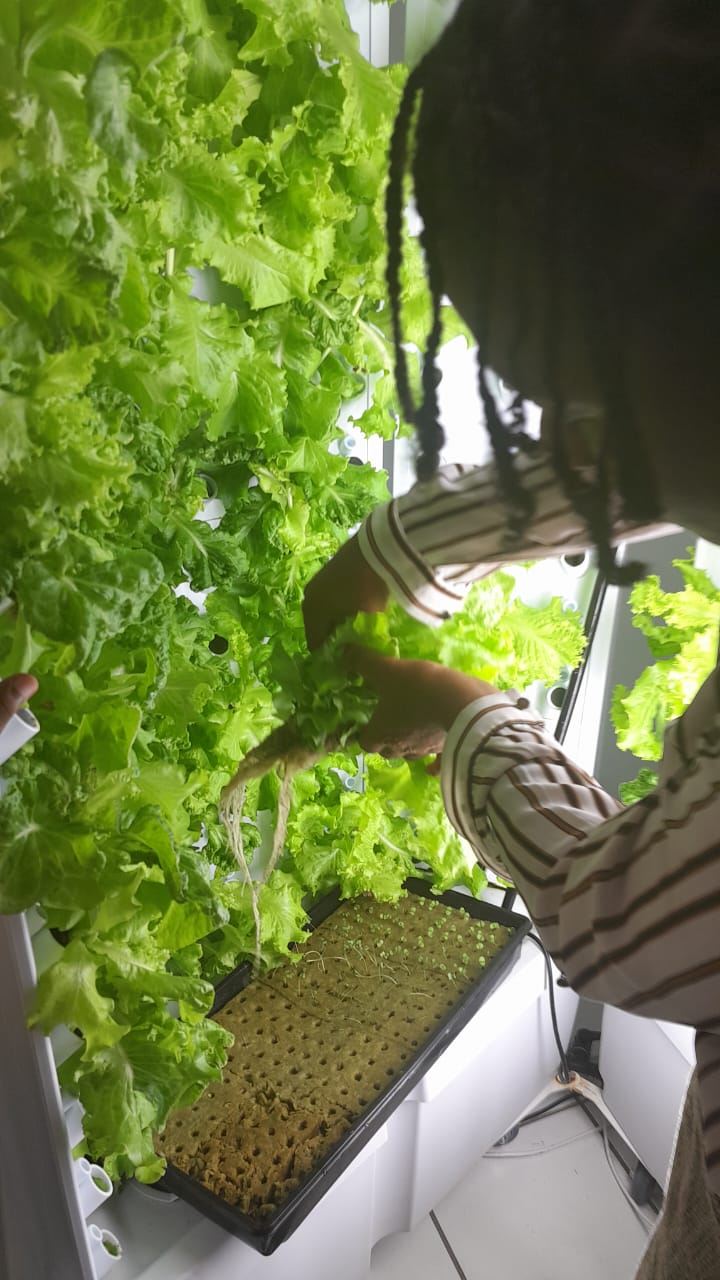
For nearly two decades, Grenadian non-profit organization Reach Within has prioritized uplifting the lives of thousands of the island nation’s most vulnerable children and adolescents residing in state residential care facilities and foster placements. Now, the charity is expanding its impact through a new collaborative initiative that combines youth skills development with sustainable agriculture to address Grenada’s long-standing food insecurity challenges.
Backed by funding from the Sandals Foundation, Irish Aid and Fork Farms, and implemented in partnership with local community group New Life Organisation (NEWLO), the project will train more than 100 young Grenadians in hydroponic farming techniques, empowering them to grow their own nutrient-dense produce. A 26-participant pilot phase, drawn exclusively from youth in island residential care homes, has already wrapped up its initial stage, with trainees mastering foundational skills from seeding and nurturing crops to harvesting hydroponic vegetables.
This hydroponics project builds on four years of successful community garden programming that Reach Within has run across three of Grenada’s residential youth care facilities overseen by the national Child Protection Authority (CPA). These in-facility gardens give both young residents and care staff hands-on experience growing fresh food, and allow caregivers to harvest crops directly for meals, ensuring young people in care have consistent access to fresh, nutritious food at no extra cost to the facility.
Tamara Courtney, manager of the Dorothy Hopkins Home for the Disabled, one of the facilities participating in the garden program, shared her team’s positive experience. “Gardening is going excellent for us; it’s an incredibly valuable resource,” Courtney explained. “This garden is our proudest achievement when it comes to advancing food security and long-term sustainability here at the home. Even when Reach Within’s Garden Programme Specialist Melvaughn Coutain is not on site, one of our staff or residents always steps in to maintain the crops.” Today, with support from Reach Within and the home’s team, the facility grows a diverse range of crops including pumpkin, callaloo, cassava, ginger, sweet corn, cauliflower, broccoli, beets, tomatoes, purple cabbage, pineapple, cucumbers, bell peppers and a variety of culinary seasonings.
The push to expand sustainable farming methods like hydroponics comes as climate change drives more frequent extreme weather events across the Caribbean, including destructive hurricanes and prolonged droughts that threaten traditional soil-based farming. Unlike conventional farming, hydroponic agriculture – a soil-free growing method – uses 98% less water, produces higher yields in compact spaces, and can be set up in nearly any location, according to 2024 data from Fork Farms, a leading U.S.-based hydroponics organization.
These advantages are particularly critical for Grenada, where official data from the Ministry of Climate, Resilience, The Environment & Renewable Energy shows that 70% of the nation’s food supply is imported. This heavy reliance on foreign food has driven up grocery prices for local consumers, left the country vulnerable to global market volatility, and reduced consistent access to affordable fresh produce. A 2022 study published in *Preventive Medicine Reports* links this over-reliance on imported processed foods to higher rates of obesity and other diet-related noncommunicable diseases across the Eastern Caribbean, including Grenada.
Project organizers frame the youth-focused hydroponics initiative as a dual investment that addresses two pressing national challenges at once: building local food resilience while creating marketable skills for young people entering the workforce. As extreme weather events become more common, global food prices continue to fluctuate, and youth unemployment remains a persistent challenge across the Caribbean, programs that equip the next generation with food production skills are increasingly critical to long-term national stability.
Founded in the wake of back-to-back destructive hurricanes Ivan and Emily in 2004 and 2005, Reach Within began its work by rebuilding damaged schools and delivering trauma support to affected youth. Over the decades, the charity has evolved its services to meet the changing needs of vulnerable Grenadian youth. Today, in partnership with the national Child Protection Authority, Reach Within delivers evidence-based trauma healing programs to at-risk children and teens in residential care, foster placements, and young people experiencing homelessness after aging out of the state care system.