Against a backdrop of persistent food insecurity, fragmented financing, and growing climate threats, the United Nations Food and Agriculture Organization (FAO) has issued an urgent call for expanded, unified investment to strengthen and sustain agrifood systems across Latin America and the Caribbean.
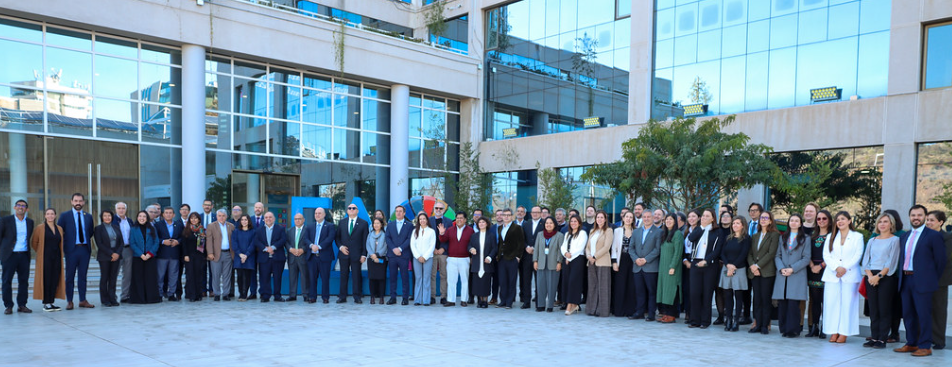
A two-day stakeholder gathering, held on August 18 and 19, brought together 70 cross-sector delegates to map a path forward for turning the region’s vast agricultural potential into tangible, impactful investment projects. Attendees included representatives from national governments across the region, leading regional and global development bodies, commercial financial institutions, international aid agencies, private sector enterprises, and family farming advocacy groups.
Long recognized as one of the world’s leading powerhouses for global food production, Latin America and the Caribbean currently faces overlapping structural challenges that threaten its food security and agricultural resilience. The region is disproportionately exposed to intensifying climate hazards that erode crop yields and disrupt supply chains, while existing funding streams for agrifood system development remain chronically insufficient and poorly coordinated across stakeholders.
In remarks at the gathering, FAO Assistant Director-General and Regional Representative for Latin America and the Caribbean Rene Orellana Halkyer laid out the stark gap between the region’s agricultural potential and its current hunger outcomes. “Latin America and the Caribbean is a global agrifood powerhouse, but 32 million people still suffer from hunger, and nearly 70% of food producers face barriers to accessing formal finance,” Halkyer noted.
Over the course of the meeting, stakeholders aligned on five core priority areas to guide future investment. Foremost among these is the development of place-based investment portfolios that integrate small-scale production, critical rural infrastructure, streamlined market access, targeted technical support, and customized financial products designed to meet the unique needs of local producers.
Attendees also emphasized the critical role of capacity-building interventions, including expanded financial literacy training, ongoing technical assistance for sustainable production practices, improved business management support for small producers, and investments to strengthen rural producer organizations. The meeting further highlighted the urgent need for deeper cross-sector collaboration between national governments, commercial and development banks, private investors, private enterprises, academic institutions, and local rural communities to align efforts and avoid fragmented funding.
Climate adaptation and mitigation were positioned as central pillars of all future agrifood investment planning. Key climate-focused priorities identified include scaling up support for low-carbon, climate-resilient sustainable farming practices, large-scale ecosystem restoration projects, climate-resilient rural infrastructure, improved integrated water resource management, and expanded access to index-based agricultural insurance that protects small producers against climate-linked crop losses.
small and medium-sized family farmers, their representative organizations, and marginalized rural communities were formally centered as core beneficiaries and partners in the regional financing agenda, addressing a longstanding gap in traditional agricultural investment frameworks that have often sidelined small-scale producers.
Currently, the FAO administers more than US$1 billion in agrifood project funding across more than 400 active initiatives in 32 countries across the region. Through these projects, the organization works to bridge gaps between local community needs and global sources of financing, technical knowledge, innovative agricultural practices, and targeted investment.
The August stakeholder meeting included official participation from government delegations of major regional agricultural economies including Chile, Brazil, Guatemala and Costa Rica, alongside representatives from key regional blocs and development institutions such as the Caribbean Community (CARICOM), the World Bank, the Central American Bank for Economic Integration (CABEI), the Development Bank of Latin America (CAF), the Amazon Cooperation Treaty Organization (ACTO), and the Southern Common Market (MERCOSUR). Private sector participants included major global banking group BBVA and impact investment firm Vox Capital, marking growing private sector interest in sustainable agrifood investment across the region.