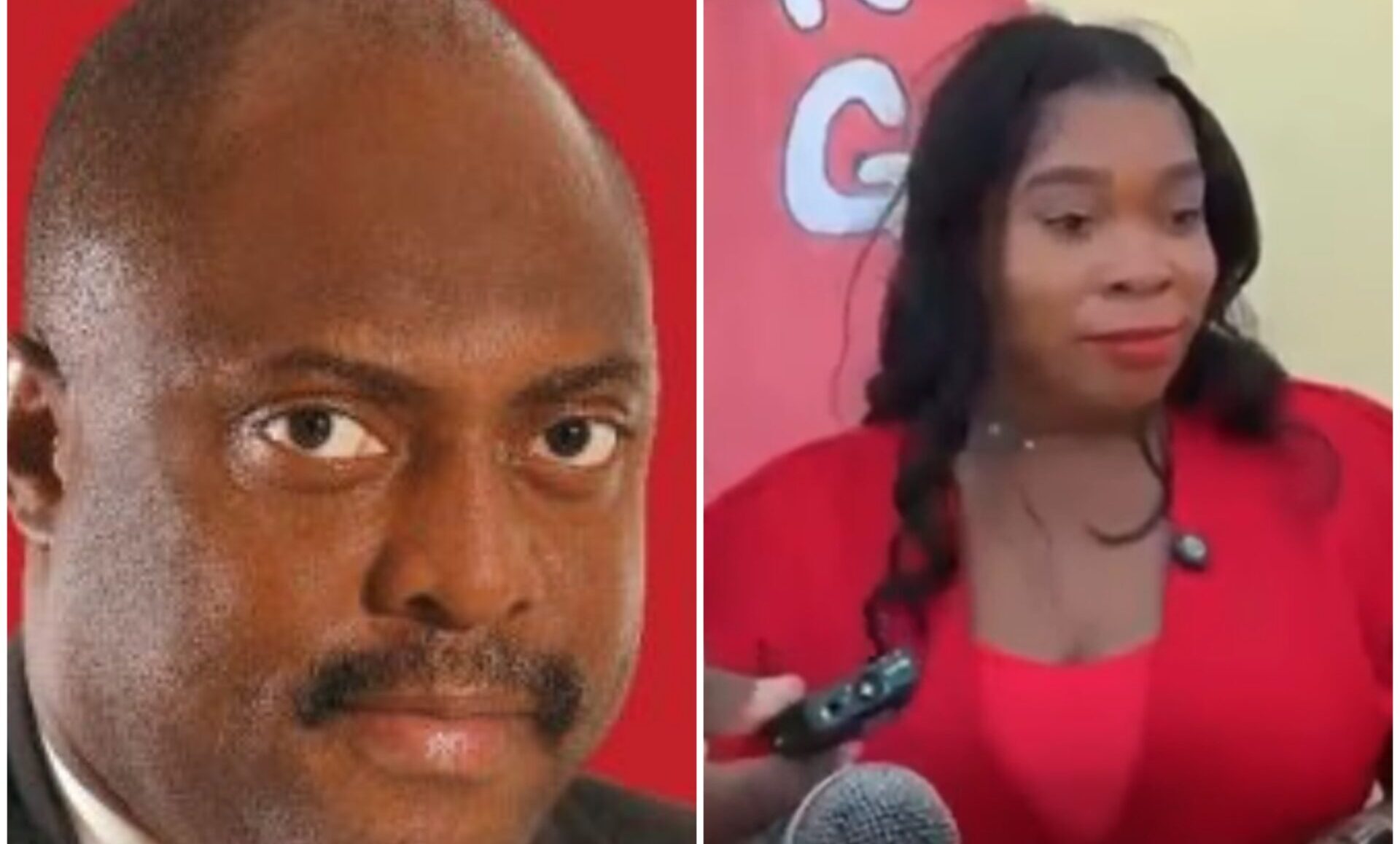
A major political advocacy group in Dominica has launched a formal demand for the immediate removal of a high-ranking diplomatic representative, triggering a debate over compliance with international diplomatic norms and public accountability in Caribbean politics.
In an official media statement released on August 24, 2026, the Electoral Reform Coalition (ERC) called on Dominican President Sylvanie Burton and Prime Minister Roosevelt Skerrit to revoke Ian Douglas’ appointment as the country’s Resident Ambassador to Cuba and withdraw his diplomatic credentials. The coalition’s core allegation centers on Douglas’ dual role: the ambassador is currently serving as campaign manager for Ashma McDougall, the Dominica Labour Party (DLP) candidate running in the upcoming Roseau North constituency by-election.
The ERC argues that Douglas’ active involvement in partisan political activity directly contradicts the long-standing principle of diplomatic neutrality enshrined in the Vienna Convention on Diplomatic Relations, the foundational international agreement governing diplomatic conduct. The organization outlined four key concerns to back its demand, starting with a clear breach of standard diplomatic protocols that bar sitting state representatives from engaging in partisan domestic campaigning.
A second critical issue raised is extended absenteeism from the ambassador’s post in Havana. According to the ERC, Douglas has not carried out his official diplomatic duties for roughly six months. This prolonged absence has created gaps in consular support for Dominican students and residents living in Cuba, a situation the coalition calls unacceptable at a time when consistent diplomatic engagement and cross-border cooperation remain critical.
Third, the ERC questions the ethical use of public funds. As a serving ambassador, Douglas draws a full state salary funded by Dominican taxpayers. His reported full-time work as a political campaign strategist, the coalition maintains, raises urgent questions about whether public resources are being misused for partisan political ends.
The coalition also leveled sharp criticism at candidate Ashma McDougall for her response to questions about Douglas’ dual role, first raised in an on-camera interview with Emonews. A widely circulated Facebook video of the interview shows McDougall telling reporters she has no reservations about Douglas holding both roles simultaneously. She praised Douglas’ extensive expertise on Dominican politics, noting his insights have been “invaluable” and “immeasurable” to her campaign.
When the reporter pressed McDougall on evidence that the dual appointment violates multiple diplomatic rules, the candidate declined to directly address the concern. The ERC slammed her response as a blatant failure to uphold standards of public accountability and institutional integrity, describing it as “shameful, disappointing, pathetic, and opportunistic.” The coalition emphasized that McDougall’s reaction prioritized her personal political ambition over commitments to government transparency and institutional norms.
Beyond the specific case of Douglas, the ERC warns that his continued service undermines the nonpartisan integrity of the diplomatic corps, and casts broader doubt on the Dominican government’s commitment to upholding international conventions, the rule of law, and public trust in state institutions. The group stresses that recalling Douglas and revoking his credentials is a necessary step to defend the country’s national reputation and demonstrate respect for its binding international diplomatic obligations.
As of the time this report went to press, neither Prime Minister Roosevelt Skerrit nor President Sylvanie Burton has issued any public comment in response to the ERC’s demand.