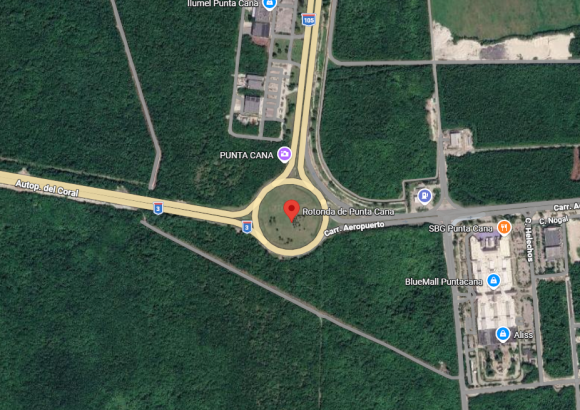
Punta Cana, a top tourist hub in the Dominican Republic, is set to see a major infrastructure transformation: its iconic central roundabout will be replaced by a modern elevated overpass as a core component of the country’s national road safety improvement program. The entire initiative is powered by a $200 million development loan secured from the Inter-American Development Bank (IDB), marking one of the largest recent investments in Dominican transportation modernization.
This infrastructure upgrade is not an isolated project, but part of a sweeping government push to upgrade high-risk transportation corridors across the nation, cut chronic traffic congestion, and lift overall road safety standards for both local residents and international visitors. The full framework for this national effort is laid out in the official strategic document *Saving Lives: The Great Bet on Road Safety in the Dominican Republic*, drafted by former director of the Dominican National Institute of Traffic and Land Transportation (INTRANT) Milton Morrison. Under the terms of the IDB financing, $139 million of the total loan is allocated to the Dominican Ministry of Public Works (MOPC) to execute targeted road safety upgrades across the country’s pre-identified high-traffic, high-risk corridors.
The Punta Cana roundabout earmarked for replacement serves as a critical traffic hub for one of the Dominican Republic’s most economically important tourism regions. It currently connects the major Coral Highway route to key local destinations including the Bávaro beach resort area, central Punta Cana, the luxury Cap Cana development, and Punta Cana International Airport, the busiest air gateway for the country’s $10 billion-plus tourism industry. With millions of visitors passing through the intersection annually, the roundabout has long struggled with gridlock during peak travel seasons and been flagged as a high-risk site for traffic collisions.
The new overpass design addresses these longstanding issues by eliminating dangerous at-grade crossings that are the source of most collisions and congestion. Long-distance through traffic will be able to travel uninterrupted across the intersection via the elevated structure, while local traffic accessing nearby businesses, residential areas and resorts will be rerouted to a network of dedicated service roads, controlled U-turn lanes, and regulated access points. Project planners expect the overhaul to drastically cut conflict points between turning, through and local traffic, boosting overall mobility and reducing crash risks at one of the region’s most critical transport junctions.
As of the latest official updates, government authorities have not yet announced a formal start date for construction on the overpass project. Regardless of the pending timeline, the project remains a key part of the Dominican Republic’s broader national infrastructure investment package, which prioritizes reducing traffic fatalities and modernizing road networks across the country’s most high-risk transportation corridors, supporting long-term economic growth and public safety.