Ninety-one years after a collective of regional educators joined forces to amplify their shared professional voice, the Caribbean Union of Teachers (CUT) is celebrating more than nine decades of relentless advocacy for teaching professionals across the Caribbean, while continuing to push forward on its unaddressed priorities.
Founded on August 21, 1935, under its original name the West Indies Teachers Association, the organization’s 91st anniversary offers a pivotal moment to honor the sacrifices of early leaders who laid the groundwork for better working conditions for Caribbean educators, according to current CUT President Sharon Kelsick.
Kelsick emphasized that the modern gains educators benefit from did not come without significant hardship for the trailblazers who came before. “For us at CUT, we do not take the 91 years lightly, because we know we stand on the shoulders of educators and union leaders who have fought, who have gone hungry, educators who have been arrested, and who have experienced the hardships that we are able to enjoy the fruits of their labours,” she shared in an interview with St Lucia Times.
Nine decades on, representing Caribbean teaching professionals brings a distinct set of modern challenges. Kelsick notes that today’s complex industrial relations landscape creates unprecedented headwinds for all labor organizations, including the CUT, making the union’s century-spanning longevity a meaningful milestone on its own. “The CUT continues to exist, and that in and of itself is a milestone, because the complex landscape of industrial relations right now is very challenging for every union, including the CUT,” she explained.
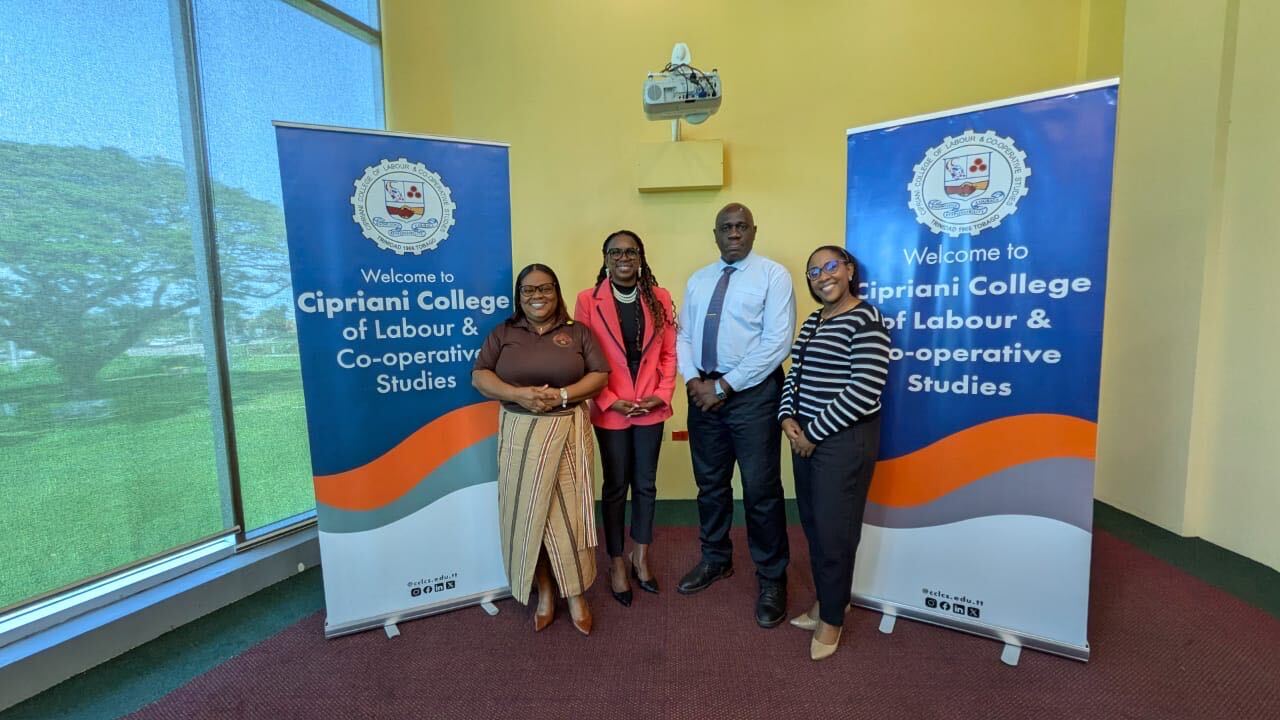
Among the most notable progress the organization has achieved over the past year is a new collaborative partnership with the Cipriani College of Labour and Co-operative Studies, a relationship designed to expand specialized training opportunities for union leadership and support targeted research to strengthen the CUT’s advocacy work.
“With this partnership, we were able to bring trade union courses. Our executives can be trained; we will do research with the college that will help us to better advocate for our people,” Kelsick said of the agreement. This focus on cross-organizational collaboration sits at the center of Kelsick’s broader strategic vision for the CUT. She has pushed for deeper, more productive relationships with national education ministries, local member unions, and other stakeholder groups, arguing that isolated advocacy cannot deliver meaningful change. “We cannot exist within a vacuum,” she noted. “We have to cooperate, we have to work together in order to push education, not just for our individual member units, but for us as a Caribbean society.”
Even as the union celebrates the progress it has made over 91 years, many of the core issues that drove its founding remain urgent priorities for today’s leadership. Kelsick reaffirmed that the fight for equitable working conditions, professional respect, workplace dignity, and competitive compensation for educators is ongoing, and the CUT will never cease its advocacy on these fronts.
As the CUT enters its 92nd year of operation, Kelsick’s message echoes the unifying principle that brought the region’s educators together more than nine decades ago: collective action creates lasting power. “We are the CUT. We are committed. We stand united. And our impact is transgenerational. Long live the CUT!”