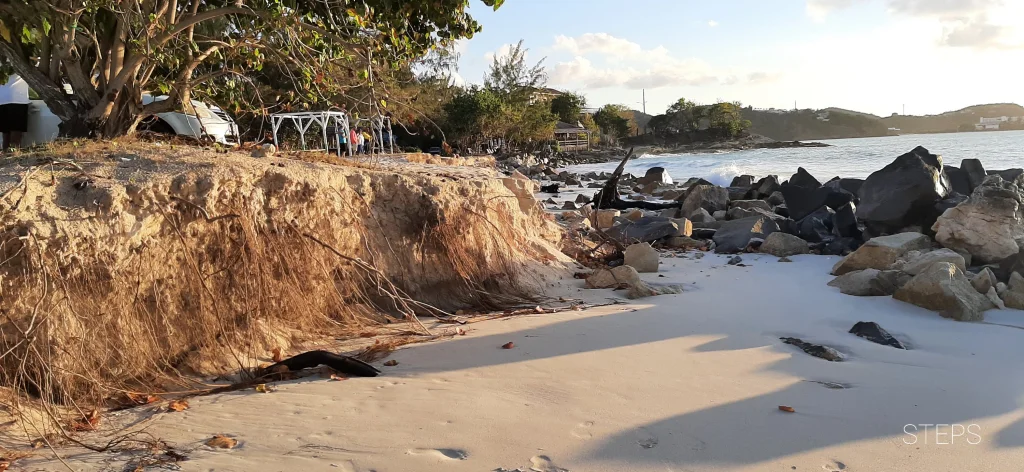
Delivering stark on-the-ground insights from the UN Climate Change Conference (COP31) hosted in Antalya, Antigua and Barbuda’s Environment Minister Michael Joseph has sounded the alarm over accelerating environmental degradation that puts the twin-island nation’s economic lifeline at severe risk. As a small island developing state whose national economy is anchored almost entirely on its world-famous tropical coastal attractions, roughly 70% of Antigua and Barbuda’s total GDP is tied directly to the tourism sector, which draws millions of annual visitors drawn by its pristine white sand coastlines, calm turquoise waters, and vibrant offshore coral ecosystems. But Joseph confirmed that all three core pillars of that tourism appeal are now facing cascading climate-related stress that erodes both ecological health and commercial viability. Many once-pristine shorelines are now experiencing rapid, unregulated erosion, while other popular public and resort beaches have become less accessible for guests, with accumulated debris and shifting sand patterns reducing their recreational value for travelers. To mitigate these visible signs of coastal deterioration, the government currently allocates millions of dollars in annual budget to carry out monthly full-scale beach cleanup and maintenance operations, a recurring cost that diverts public funds away from other critical social and infrastructure priorities. Parallel to the coastal erosion crisis, the country’s iconic coral reef systems – which act as natural sea walls to buffer shorelines from storm surge, while also supporting popular snorkeling and diving tourism activities – are suffering widespread mass bleaching and die-off driven by record-high ocean surface temperatures. In a proactive conservation initiative launched three years ago, Antigua and Barbuda established a dedicated offshore coral nursery to cultivate heat-resilient native coral species for reef restoration, but this year environmental stewardship teams were forced to relocate the entire nursery to far deeper, cooler offshore waters, as shallow nearshore zones have grown too thermally extreme for young coral colonies to survive. While the lower light levels at greater depth will slow the natural growth rate of the nursery corals, Joseph emphasized that the relocation dramatically improves their long-term survival odds, buying critical time for restoration efforts. Framing the dual crisis as both an urgent environmental emergency and an existential economic threat, Joseph used his COP31 platform to issue a formal call to the global community for scaled-up, targeted climate action and dedicated concessional climate financing for small island developing states, which have contributed minimally to historical greenhouse gas emissions but bear the brunt of accelerating climate breakdown impacts that threaten to erase decades of hard-won development gains and local livelihoods.
Climate change threatens Antigua and Barbuda’s beaches and tourism, Joseph says