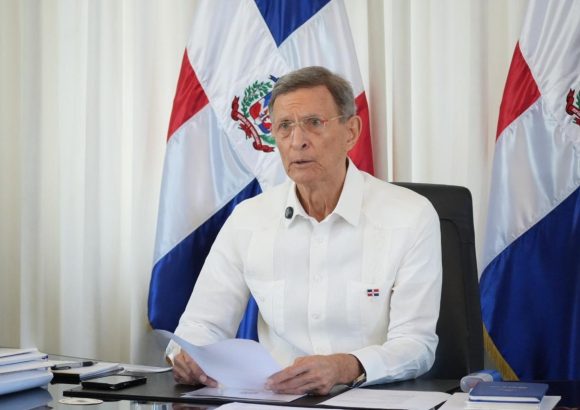
SANTO DOMINGO — After six years leading the Dominican Republic’s Ministry of Foreign Affairs, Roberto Álvarez officially wrapped up his term on Sunday, marking the close of an eventful tenure that reshaped the country’s diplomatic profile. His departure follows a formal resignation, and President Luis Abinader moved quickly to name his successor via Decree 554-26, tapping Víctor “Ito” Bisonó to take over the top foreign policy role.
In a public statement shared to the social platform X, Álvarez extended gratitude to President Abinader for the trust placed in him over his time in office. He reflected on his exit with a clear sense of accomplishment, noting he leaves the ministry with “the satisfaction of a duty fulfilled” and deep pride in the collective work achieved during his administration. Álvarez also offered thanks to the full team of officials, policy professionals and technical staff at the foreign ministry, as well as personnel across all Dominican diplomatic and consular missions worldwide. He closed his message by wishing Bisonó every success as he takes on the new responsibilities of the role.
When Álvarez first took office in August 2020 alongside the Abinader administration, he set out a core agenda focused on two key priorities: modernizing the institutional infrastructure of the Foreign Ministry and building a more professional, capable Dominican foreign service. Over his six years, his team delivered a series of tangible reforms, including launching two open public competitive examinations to recruit new talent into the diplomatic corps, overhauling the outdated consular revenue collection system, and establishing more robust, responsive mechanisms to support and protect Dominican citizens living or traveling abroad when international crises strike.
Álvarez’s tenure also saw the Dominican Republic take on a heightened diplomatic role on the global stage, most notably around the ongoing humanitarian and security crisis in neighboring Haiti. The country’s sustained diplomatic engagement helped build international support for intervention efforts, ultimately leading to the United Nations Security Council’s approval of a multinational support mission to stabilize Haiti. Beyond the Haiti crisis, the Dominican Republic hosted the 28th Ibero-American Summit in 2023, a major gathering of Spanish- and Portuguese-speaking nations, and twice held the Pro Tempore Presidency of the Central American Integration System, stepping into a regional leadership role during that time.
Looking back at the administration’s foreign policy framework, Álvarez emphasized that all diplomatic efforts pursued under President Abinader were anchored in four core goals: protecting the rights and interests of Dominican citizens at home and abroad, opening new economic opportunities for the country through international partnerships, advancing mutually beneficial development cooperation with other nations, and strengthening the Dominican Republic’s standing as a credible, engaged actor on the global stage.