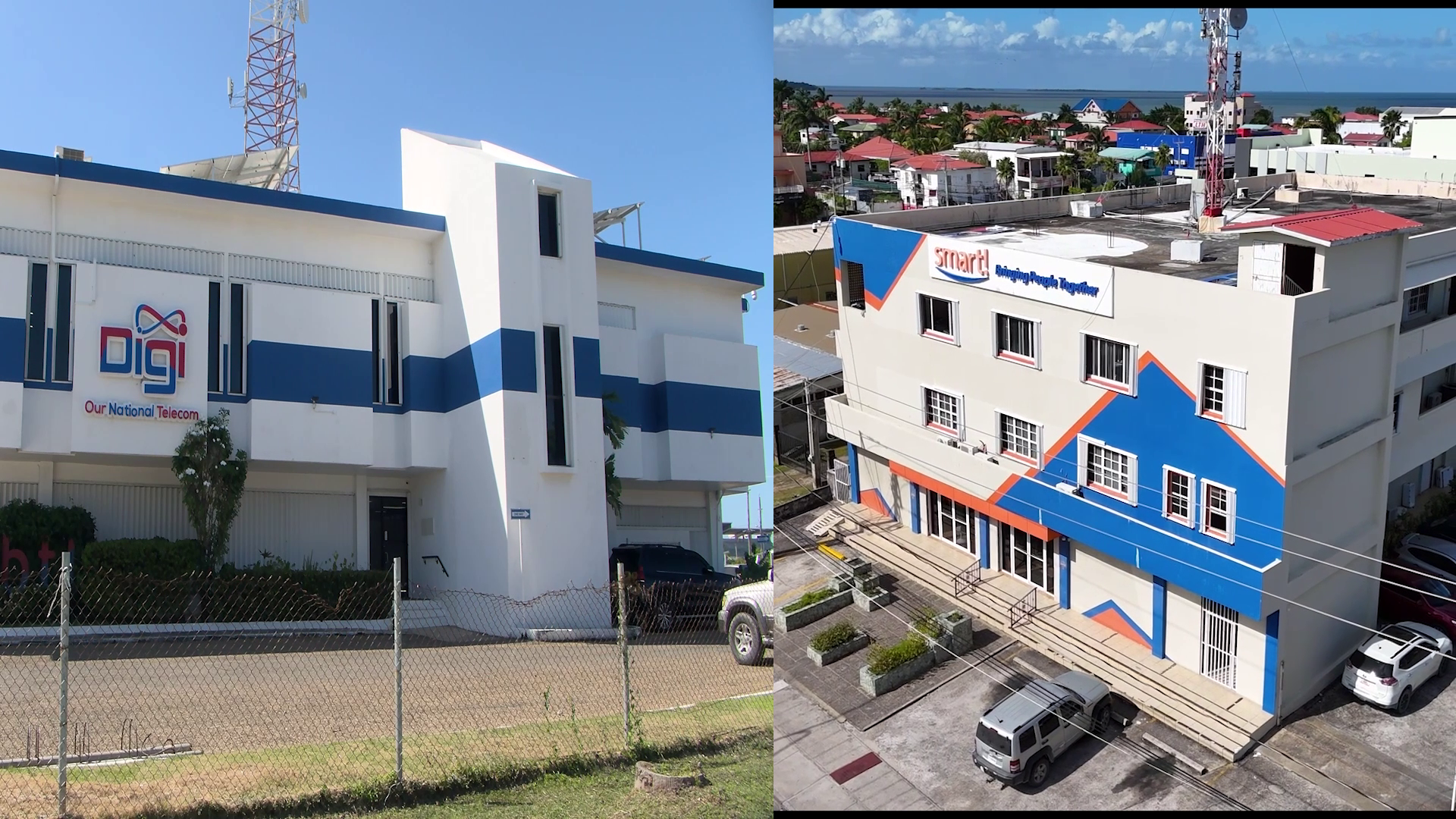
In a proposed $80 million industry consolidation set to reshape Belize’s telecommunications sector, Belize Telemedia Limited (BTL) is pushing back against growing public skepticism, arguing that its planned acquisition of rival Speednet will deliver long-term benefits to consumers, including lower monthly rates and improved infrastructure. The deal has sparked fierce public debate since it was announced, with Belizean residents and industry stakeholders raising pointed questions about pricing transparency, competition risks, conflicts of interest, and the $80 million purchase price. Now, BTL’s leadership is making its case for consolidation, while industry watchdogs call for strict regulatory guardrails to protect consumers.
Markhelm Lizarraga, chairman of BTL, argues that much of the public discourse has fixated on potential downsides while ignoring the core efficiencies a merged entity would unlock. “Because of the efficiencies that will come from market consolidation would allow for even a decrease in rates,” Lizarraga explained. “For example, there would be no more need for interconnection charges between BTL and Smart. Efficiencies will bring savings to consumers, increase dividends to shareholders, improve working conditions and benefits for workers.”
Lizarraga’s core argument centers on the tiny size of Belize’s consumer market, which he says cannot sustain two fully parallel national telecom networks. Currently, both BTL and Speednet (which operates under the brand Smart) maintain duplicate infrastructure: separate cellular tower networks, independent national fiber optic cables, duplicated software systems, and parallel marketing and administrative teams. These overlapping costs, he insists, are ultimately passed on to consumers in the form of higher rates.
“Picture this, we have a system that can do a million people. Our system only holding about two hundred and twenty-five thousand. Smart has one hundred thousand. Even after consolidation we’ll only be using thirty something percent capacity of our system,” Lizarraga noted. “Why have two systems? Consumers pay for it you know. Consumers pay for having two systems, two sets of fiber, and two sets of towers. Two sets of everything. All of these things make rate decreases difficult in this industry.”
Critics of the deal have repeatedly raised alarms that the acquisition would create a harmful monopoly controlling nearly all of Belize’s telecom market, but BTL has pushed back against that claim, pointing to the existing Mobile Virtual Network Operator (MVNO) regulatory framework as a built-in guardrail for competition. Under the MVNO model, third-party businesses can sell telecom services to consumers using the existing infrastructure of the merged network, allowing for continued market competition without requiring new entrants to invest billions in building duplicate national networks from scratch. Lizarraga said BTL is still working with Belize’s Public Utilities Commission (PUC) to address competition concerns and confirm that the MVNO framework will be sufficient to prevent price gouging after the merger.
“We still need feedback from the PUC about concerns regarding competition through MVNOs and other means of assuring the public that concerns about increasing costs or BTL taking advantage of them are unfounded,” he added.
William Usher, vice chairman of the Belize Chamber of Commerce and Industry (BCCI), told reporters that the business community does not inherently oppose the merger, but stresses that strong regulatory protections are non-negotiable to deliver on BTL’s promised benefits. “I think from a business standpoint there are many things. A lot of what they are saying probably will be beneficial. That for me and for us at the Chamber that is really not the problem,” Usher explained. “The problem is the guardrails that needs to be in place. Without the guardrails that is where we will fall short of whatever positiveness they are proposing to do. It is just simply business. And you know that if the guardrails are in play, if it is going where it should go, that there are measures in place to deal with it.”
For ordinary Belizean consumers, the core questions remain straightforward: Will the acquisition deliver on its promise of lower rates? Will service quality improve across the country? And will regulatory safeguards be strong enough to prevent the merged company from exploiting its market power to raise prices long-term? As the PUC continues its review of the proposed deal, those questions remain unanswered for the 325,000 existing BTL and Smart customers across Belize. This report was prepared by Paul Lopez for News Five.