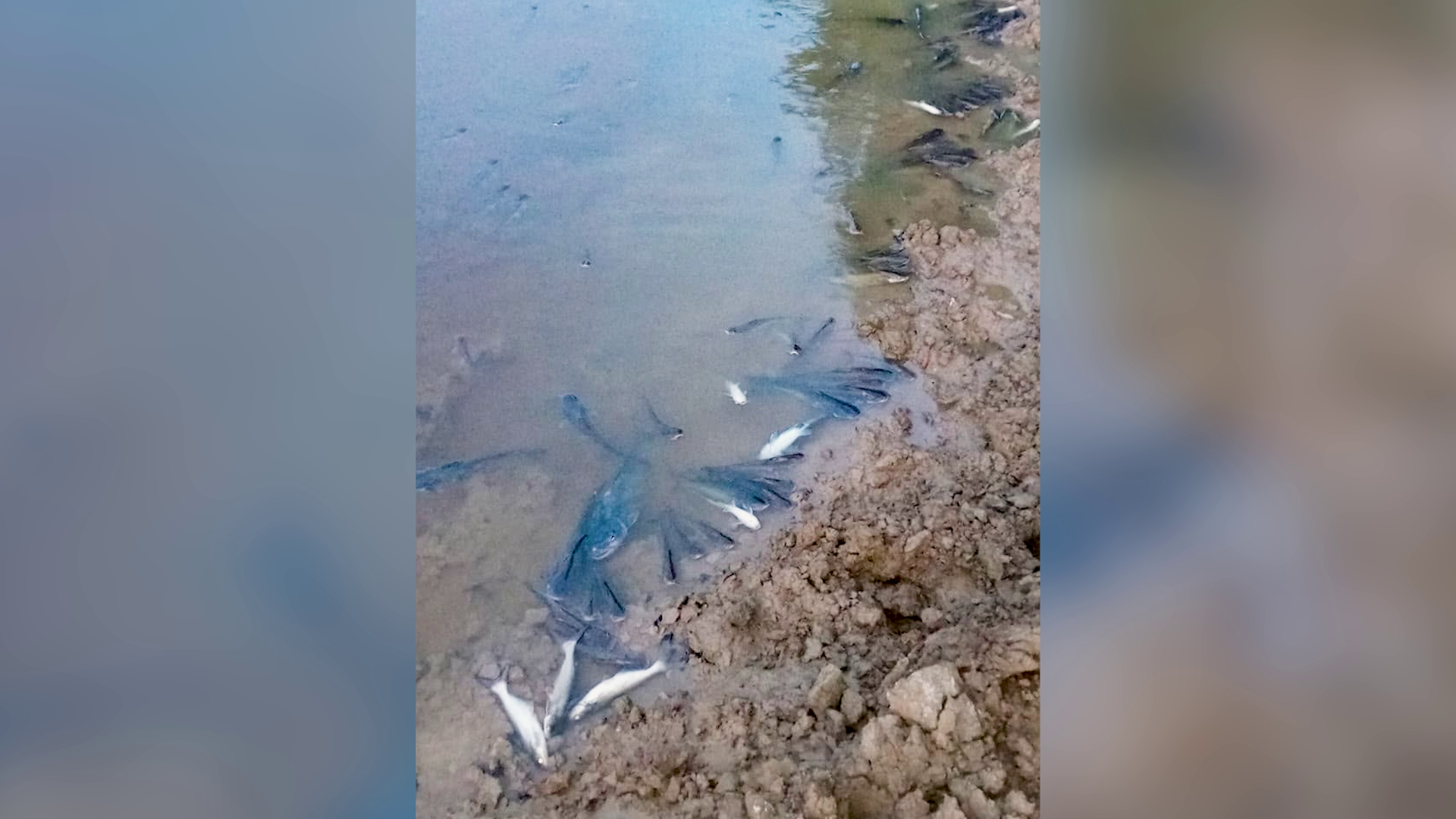
On August 4, 2026, a sudden mass fish mortality event along the Belize River in the Flowers Bank community of Belize River Valley has left local residents alarmed and triggered a multi-agency probe into the cause of the die-off.
Local residents first noticed unusual behavior among fish earlier this week, with dozens of individuals spotted gasping for oxygen near the river surface before many turned up dead along the riverbank. Village chair Kisha Flowers explained that the community spotted the first signs of trouble on Tuesday, when a small number of fish began surfacing struggling to breathe. By the following morning, the scale of the event became clear, with multiple dead fish floating along the shoreline.
For the tight-knit Flowers Bank community, the Belize River serves as a core resource for daily life: residents rely on it for bathing, washing household items, recreational use, catching wild fish for food, and even accessing drinking water for some households. Immediately after identifying the threat, community leaders issued an urgent advisory warning all residents to suspend all uses of river water, including consuming any fish caught from the affected stretch, until the source of the mortality event is confirmed. As of this report, residents have complied fully with the precautionary measures, with no reported incidents of adverse health effects linked to the event.
After community leaders alerted national authorities, three key government agencies—the Department of the Environment, the National Emergency Management Organization (NEMO), and the Water and Sewerage Authority (WASA)—deployed teams to the site to launch a full investigation. Department of the Environment officials confirmed that investigators have already collected water quality samples from both the location of the fish kill and upstream sites to trace any potential contaminants or water chemistry changes.
While full laboratory analysis of the samples is still underway and results are not expected for several days, preliminary on-site observations point to low dissolved oxygen levels in the river water as an early leading factor for the fish kill. Low dissolved oxygen can be triggered by a range of causes including algal blooms, temperature fluctuations, nutrient runoff from agricultural or residential areas, or pollution, and further testing will help identify the root cause of the depleted oxygen levels.
Public health officials have reiterated the precautionary advisory, urging residents to continue avoiding all contact with and use of water from the affected river section until test results are released and the area is deemed safe.