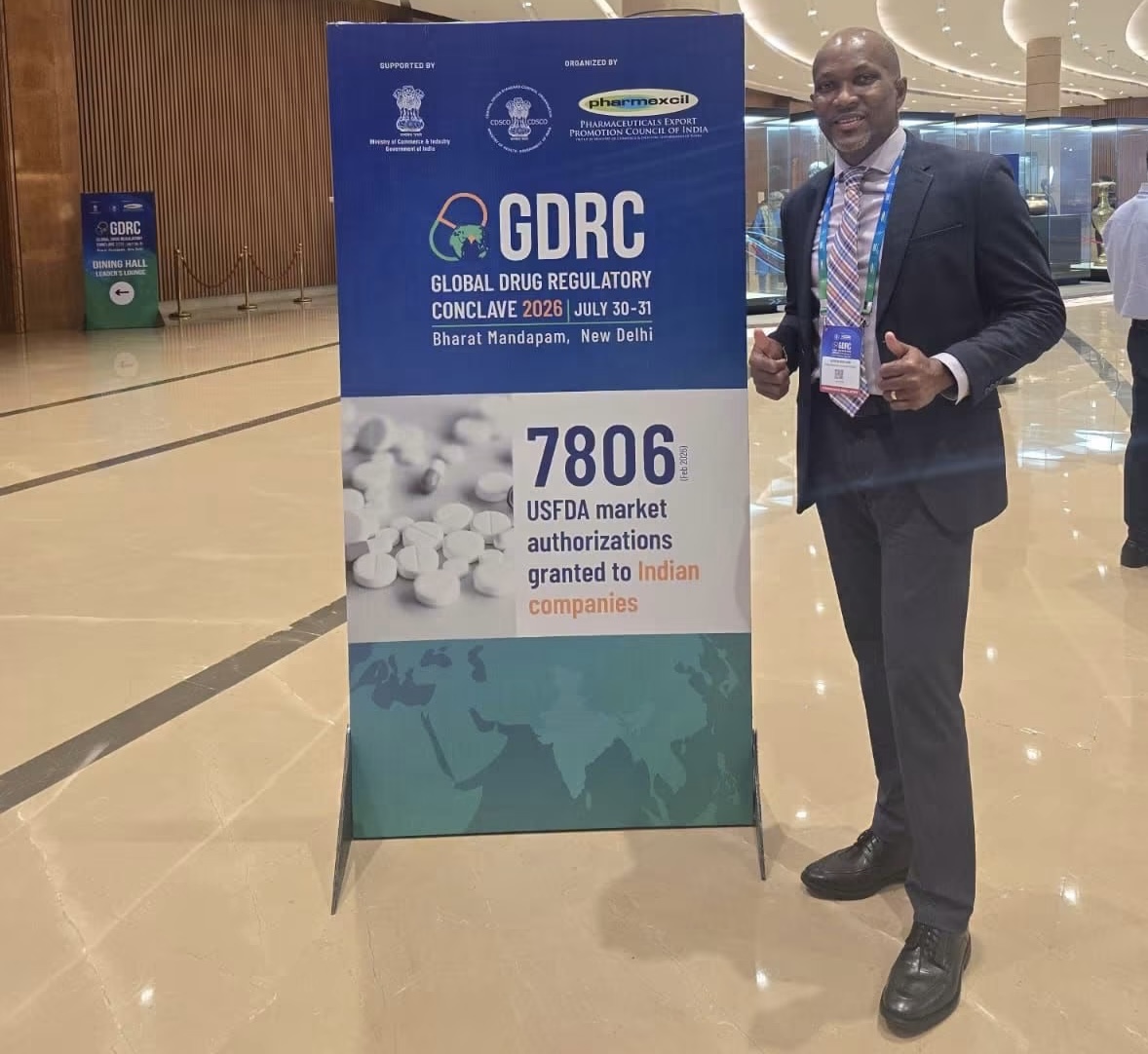
The global landscape of pharmaceutical regulation is shifting rapidly as new treatments, drug manufacturing supply chains, and public health threats continue to emerge. Against this backdrop, one of the leading voices in drug safety oversight has joined a high-profile gathering of regulators from around the world. Chief Drug Inspector Alfred Athill is among the hundreds of senior regulatory officials, pharmaceutical industry leaders, and public health experts gathered for the annual Global Regulatory Summit, a landmark event focused on aligning standards and strengthening cross-border cooperation to protect global public health.
The summit comes at a critical juncture for drug regulation worldwide. In recent years, the rapid expansion of generic drug manufacturing, the rise of novel biologic therapies, and ongoing challenges related to counterfeit medications entering global supply chains have highlighted gaps in international coordination. Regulators have also been grappling with how to speed up the approval process for life-saving new treatments without compromising safety standards, a debate that gained urgency during the global COVID-19 pandemic.
Athill, who brings decades of experience in drug safety inspection and regulatory enforcement to his role, is expected to lead a working group focused on improving shared inspection protocols across major drug manufacturing hubs. His participation underscores the commitment of his home regulatory body to fostering international collaboration, as even the most robust national regulatory systems cannot address cross-border challenges alone. Attendees at the summit will also discuss emerging topics including the regulation of cannabis-derived medical products, gene therapies, and the impact of artificial intelligence on drug development and safety monitoring.
Participants in the summit note that coordinated global action on drug regulation not only improves public safety but also facilitates timely access to high-quality medications for patients in every region, from low-income nations to the world’s largest developed economies. The event is scheduled to run for three days, with attendees set to issue a joint statement outlining shared priorities and collaborative action plans by the closing ceremony.