Nearly a decade behind on its mandatory financial reviews, the Office of the Auditor General is facing growing public scrutiny over a crippling backlog that has left current government spending irregularities potentially undetected for years, sparking urgent questions about governmental accountability and transparency.
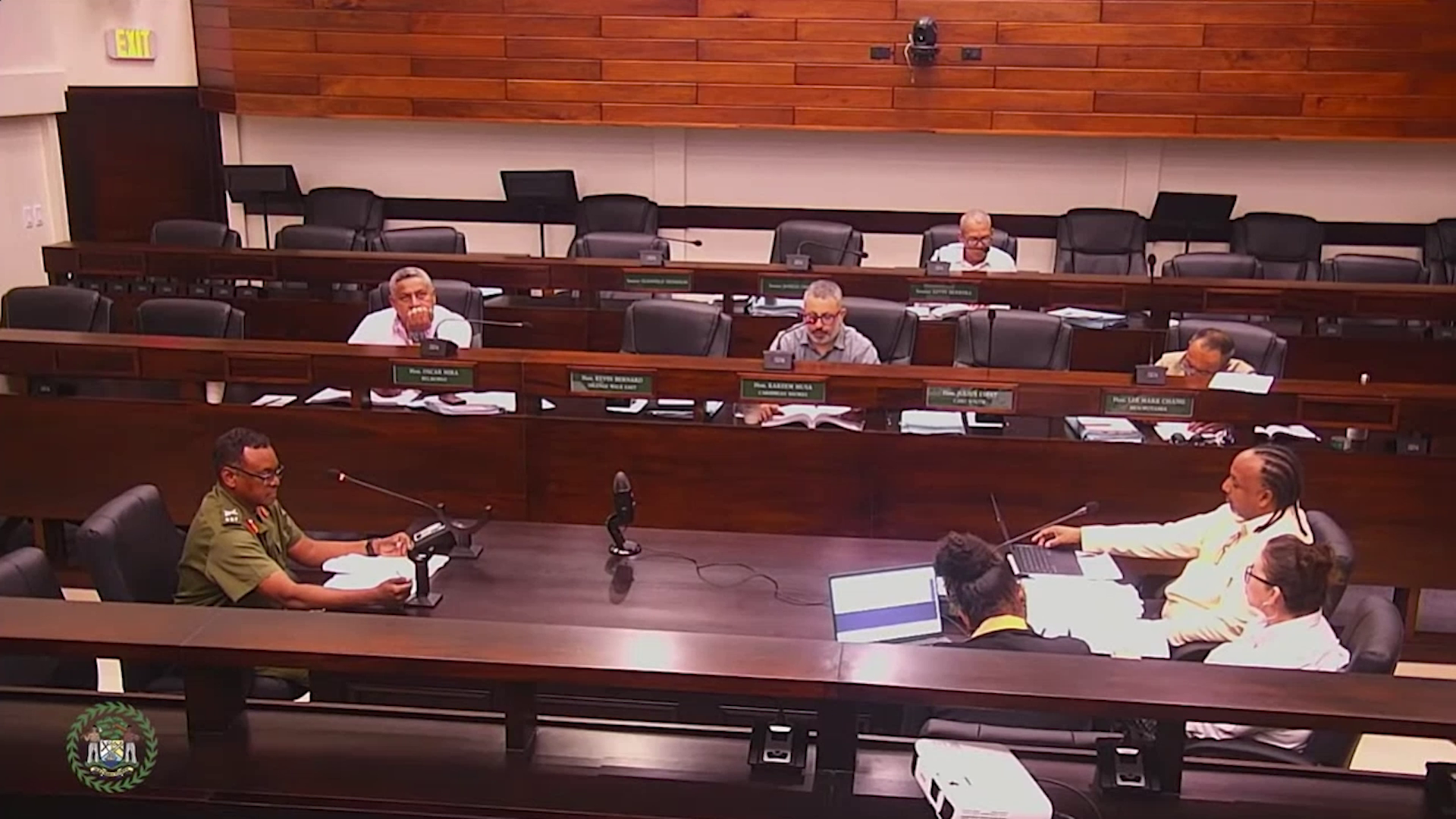
As of 2026, the most recent financial audit reviewed by national lawmakers covers government spending from 2017 — a nine-year gap between expenditure and independent oversight that has left advocacy groups and citizens questioning how the public can hold elected officials and public administrators responsible for misuse of funds. In an interview discussing the growing crisis, Godwin Haylock, chairman of the Joint Public Accounts Committee (JPAC), addressed widespread concerns about the backlog and its impact on policy reform.
Haylock emphasized that even delayed audits hold long-term value for improving government financial management. Even when reviews of older spending like the 2017 records cannot undo past misconduct, he argued, identifying systemic flaws in existing policies can prevent the same irregularities from recurring in current and future spending. He pointed to the high-profile ongoing controversy over government contracts awarded to the Mira family as an example of ongoing issues that have roots in long-standing policy gaps, noting that problematic contracting practices have persisted for years rather than emerging overnight. For Haylock, the core priority is examining outdated or flawed policies that enable these abuses and implementing targeted fixes to close loopholes.
When pressed on whether more timely, up-to-date audits should be integrated into JPAC’s ongoing oversight work, Haylock acknowledged that both current and retrospective reviews are critical to meaningful accountability. He stated that he supports bringing all completed audit reports, both old and new, to the National Assembly for tabling and subsequent JPAC scrutiny. However, he stressed that the committee has no control over the order in which reports are delivered to the legislature: audits are processed in sequential order starting from the oldest backlogged entries, meaning the earliest the body could reach current spending reviews is no less than two years from now.
To put the scale of the backlog in perspective: the country is currently reviewing 2017 finances in 2026, resulting in a nine-year gap between spending activity and independent oversight. Haylock did offer one small update on progress, noting that audit reports for 2018 and 2019 have been finalized and are scheduled to be tabled in the National Assembly in the near future, marking a small step forward in clearing the massive backlog.
This report is a transcript of a televised evening newscast, with all Kriol-language remarks transcribed using a standardized spelling system for accuracy.