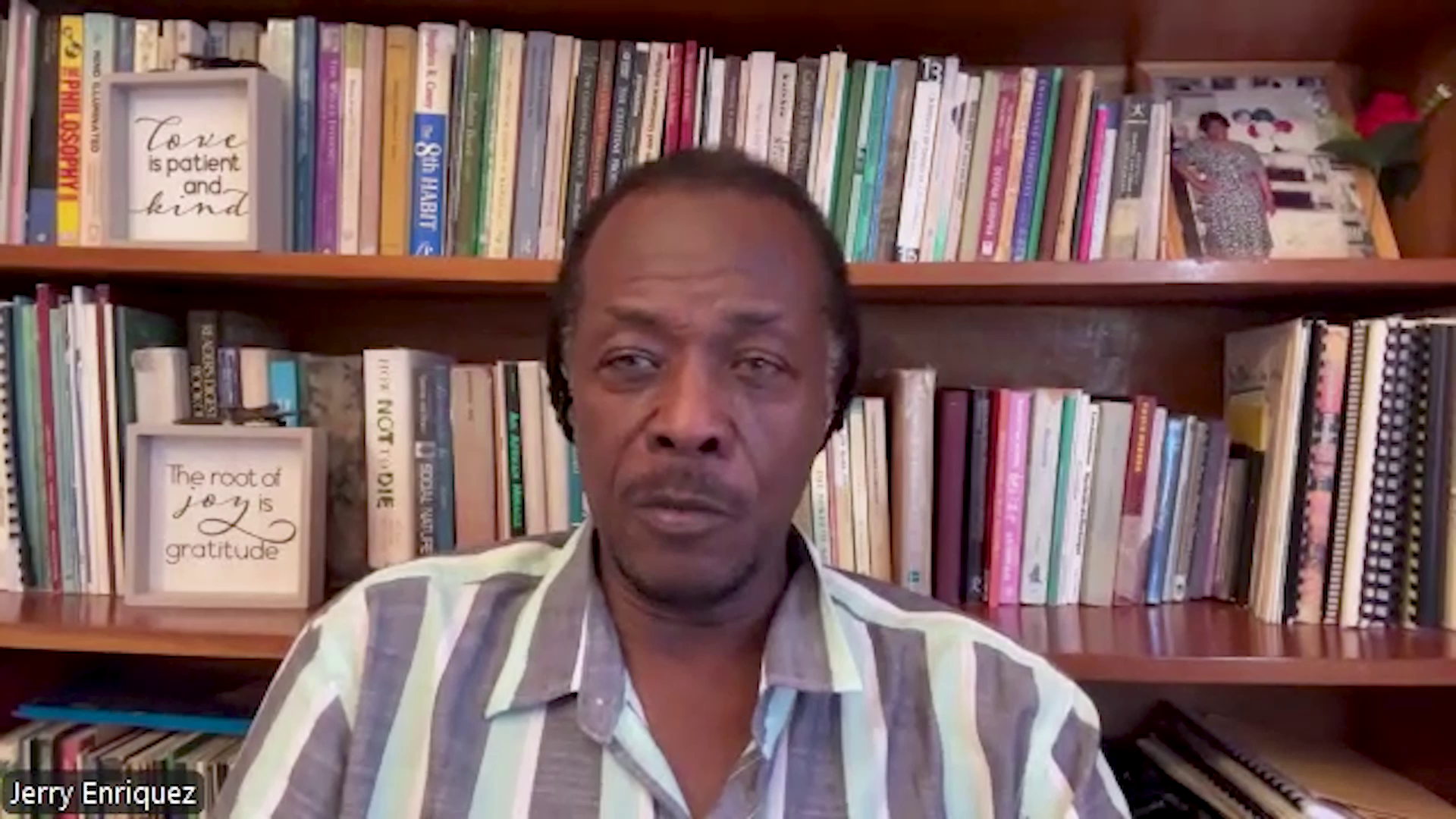
In a landmark ruling that reshapes key procedural rules for legal appeals in Belize, the Caribbean Court of Justice (CCJ) has awarded social activist Jeremy Enriquez a partial victory in three connected appeals stemming from his challenge to the country’s electoral boundaries. The July 2026 judgment addresses two core procedural issues that have long affected how cases move through Belize’s judicial system, marking a notable win for activists pushing for more merit-based judicial decision-making.
Of the three appeals Enriquez brought forward, the CCJ ruled in his favor on two critical points. First, the court upheld the validity of Enriquez’s original notice of appeal, rejecting a technical challenge that claimed the filing was invalid because a registrar had not signed the document. Second, the CCJ overturned a controversial wasted costs order that would have required Enriquez’s lead counsel, Senior Counsel Anand Ramlogan, to cover half of the Belizean government’s legal fees out of his personal funds. The higher court found that Ramlogan had never been given adequate advance notice of the potential costs order nor a fair opportunity to defend himself against the claim before the penalty was issued.
Enriquez had already raised serious allegations of judicial misconduct tied to the original costs order. He claims that before his legal team had finished presenting their full arguments in the lower court, the presiding judge discussed the case during a lunch break, creating a bias against the challenge. After Enriquez’s team called out this inappropriate conduct, the judge issued the personal costs penalty as a response, he alleges. The CCJ’s decision to throw out this order vindicates that critique.
The third appeal, however, was dismissed by the CCJ. That challenge targeted an ex parte order issued by the Belizean High Court. The CCJ ruled that Enriquez had failed to follow proper procedure: he should have first applied to the High Court to vary or cancel the ex parte order before bringing an appeal to a higher court. This dismissal leaves that specific procedural question unresolved for the moment.
Notably, the CCJ’s latest ruling does not deliver a final decision on the underlying question of whether Belize’s current electoral boundaries are legally valid. That core challenge remains pending before lower courts. Still, Enriquez frames the ruling as a critical step forward for judicial accountability in the country. He emphasized that the judgment sends a clear message that lower courts should prioritize the substantive merits of legal cases rather than dismissing challenges on narrow procedural technicalities that have little to do with the actual issues at hand.
“This outcome is encouraging because it pushes the High Court to focus more on the substance of cases, not just procedural technicalities that can be used to shut down valid challenges,” Enriquez said in response to the ruling. He added that the overturning of the personal costs order against his counsel removes a punitive barrier that many activists and ordinary litigants would struggle to overcome when challenging government action.
Legal observers note that the CCJ’s ruling also sets new, clearer precedents for how appeals must be processed across Belize, and clarifies the conditions under which personal wasted costs orders can be issued against legal representatives. The ruling is expected to have long-term impacts on how future electoral and public interest challenges are handled in the country’s judicial system.