A landmark decision to crown two joint winners at Saint Lucia’s 2024 National Carnival Queen Pageant has triggered a full-scale review of competition rules across all of the island nation’s iconic Carnival events, with a new tie-breaker mechanism set to be introduced to prevent shared titles in future pageants.
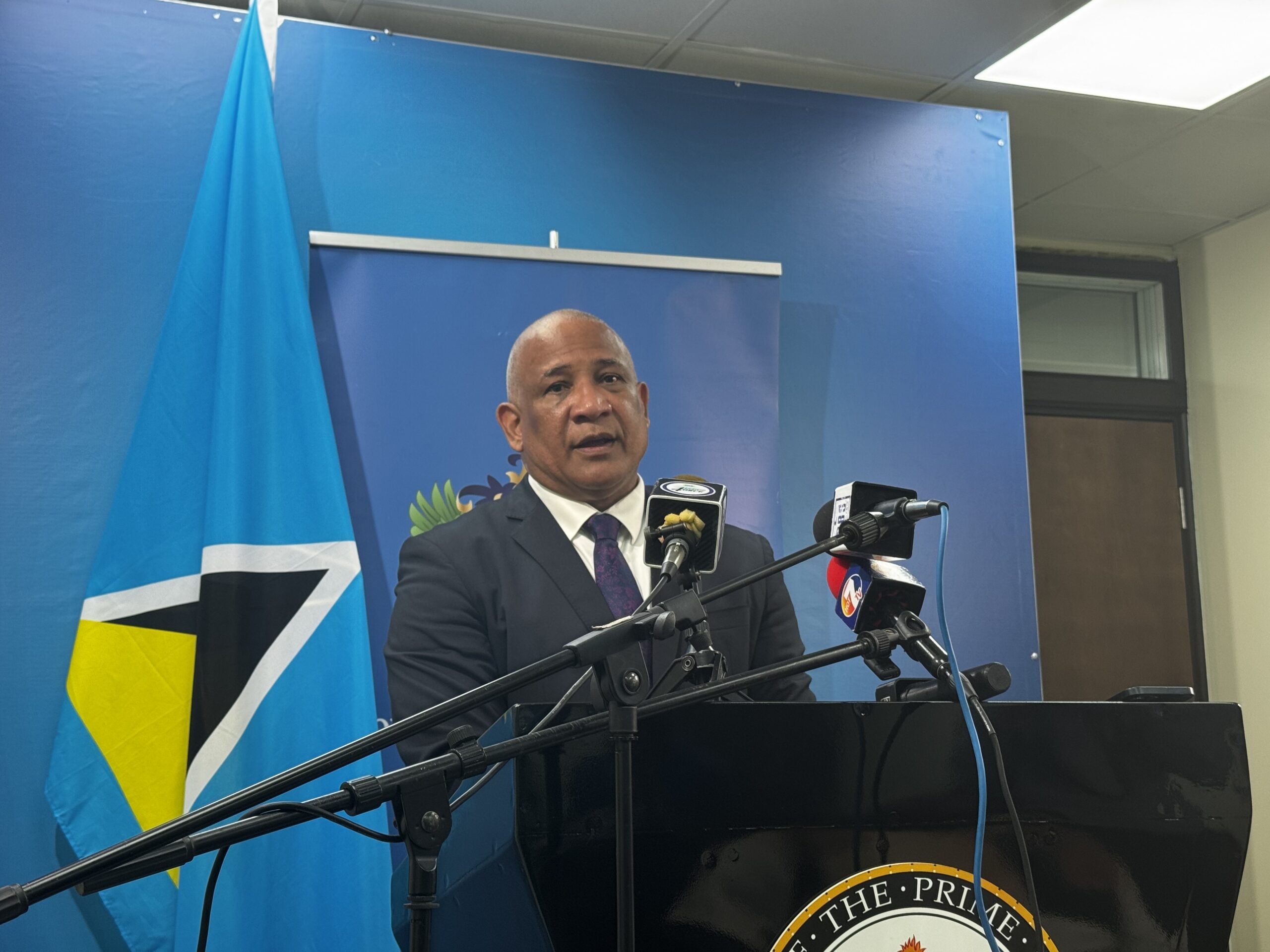
The announcement came from Dr. Ernest Hilaire, Minister for Creative Industries and Culture, during a pre-Cabinet press briefing held on Monday. Hilaire pushed back against criticism of this year’s dual coronation, explaining that the existing regulatory framework had no provisions for resolving tied scores, leaving event organizers with no other viable option than to name two winners.
He noted that inserting a last-minute tie-breaker mid-competition would have been unfair to competing contestants and opened the Carnival Planning and Management Committee up to potential legal disputes from participants or their teams. Despite defending the 2024 decision as the only legally and ethically sound choice under the current rules, Hilaire confirmed that this scenario will not be repeated going forward.
“A tie will never happen again. We’re going to redo the rules,” he stated firmly.
The planned regulatory update will extend far beyond the National Carnival Queen Pageant, Hilaire confirmed. The government is launching a comprehensive review of judging criteria and competition rules for every major Carnival event hosted on the island, with the core goals of boosting competition quality and minimizing potential scoring bias from judges.
One of the leading reform proposals already on the table would discard judges’ highest and lowest scores when calculating final results for high-profile competitions including Soca Monarch and Calypso, a common methodology used to reduce outlier bias in judging across many international events.
“I’m also going to ask the team to look at the rules across all competitions… just let us refresh; there are new methodologies for judging. There’s so much more we can do,” Hilaire added.
The minister emphasized that the government will not impose new rules unilaterally. Instead, the reform process will include wide-ranging consultations with key Carnival stakeholders, a review of successful regulatory frameworks from leading regional and international Carnival hosts, and collective consensus-building before any new regulations are formally adopted.