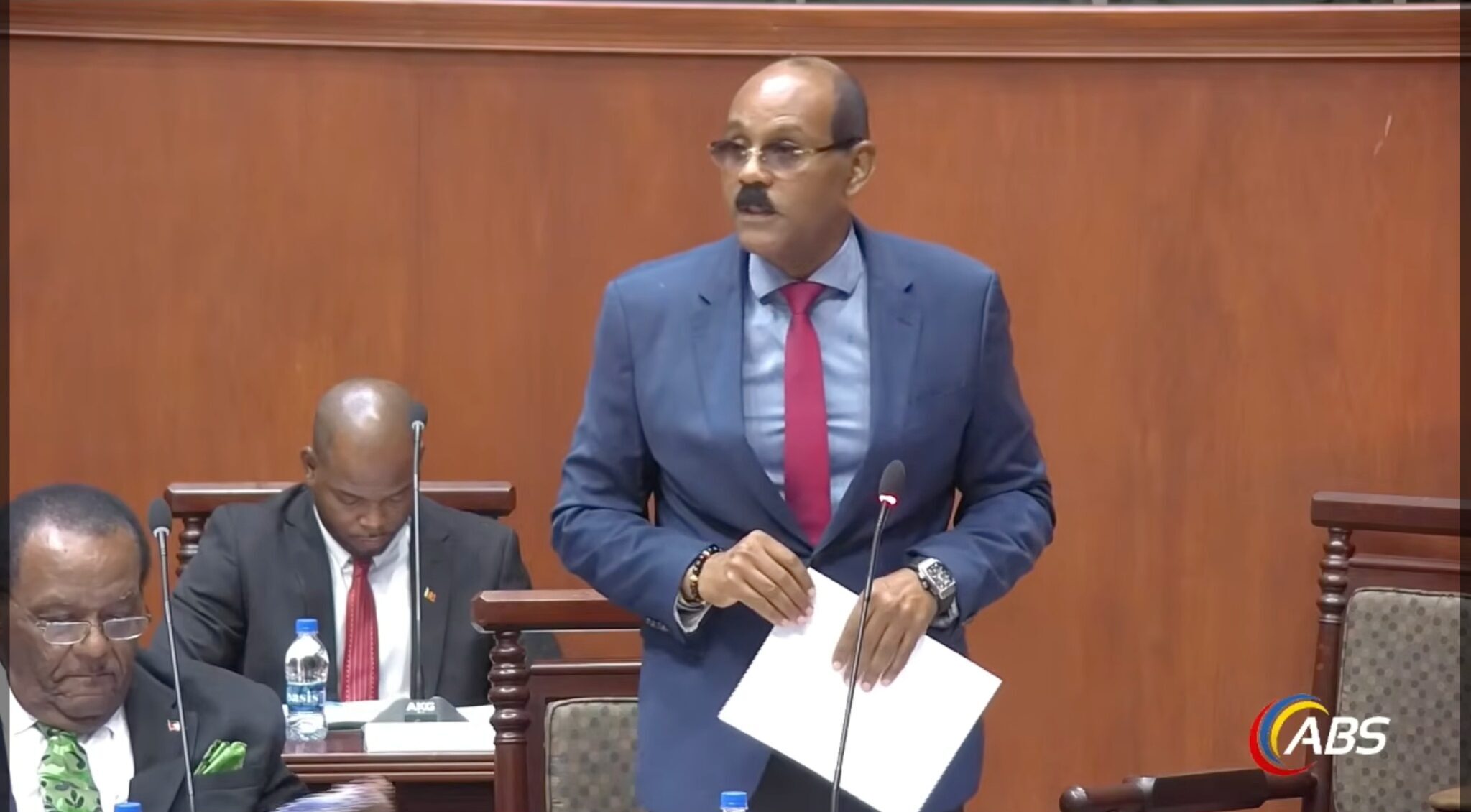
The future of Antigua and Barbuda’s high-stakes Citizenship by Investment Programme (CIP) hangs in the balance, as Prime Minister Gaston Browne has opened the door to a potential full suspension of the scheme if ongoing visa restrictions tied to the initiative continue to hamper the nation’s international access.
Delivering his remarks before the country’s Parliament on Tuesday, Browne framed the issue as a defining national choice that requires open, inclusive discussion from all sectors of Antiguan and Barbudan society. At its core, the debate pits two critical national priorities against one another: maintaining the valuable visa-free travel access that Antiguan and Barbudan citizens currently enjoy to the United States and the European Union, versus preserving the CIP, which has become a major source of government revenue for the small island nation.
Browne’s statement comes in direct response to recent regulatory moves from major global blocs. The European Commission has formally ordered Antigua to phase out its CIP entirely by June 1, 2028, under newly implemented visa suspension rules. For its part, the United States has already named the CIP as one of the justifications for imposing restrictions on specific visa categories for Antiguan travelers, creating immediate tangible impacts that the government cannot ignore.
In a move to build broad consensus around the final decision, Browne confirmed that the national government has launched formal consultations with key industry and civil society stakeholders across the country. The administration aims to solidify a shared position on the programme’s future within a matter of weeks. Browne also noted that he intends to introduce a standalone parliamentary resolution to open a full formal debate on the next steps for the scheme. Closing his remarks, Browne issued a direct challenge to the parliamentary opposition, urging lawmakers to put forward constructive policy solutions instead of limiting their participation to criticism of the existing CIP framework.