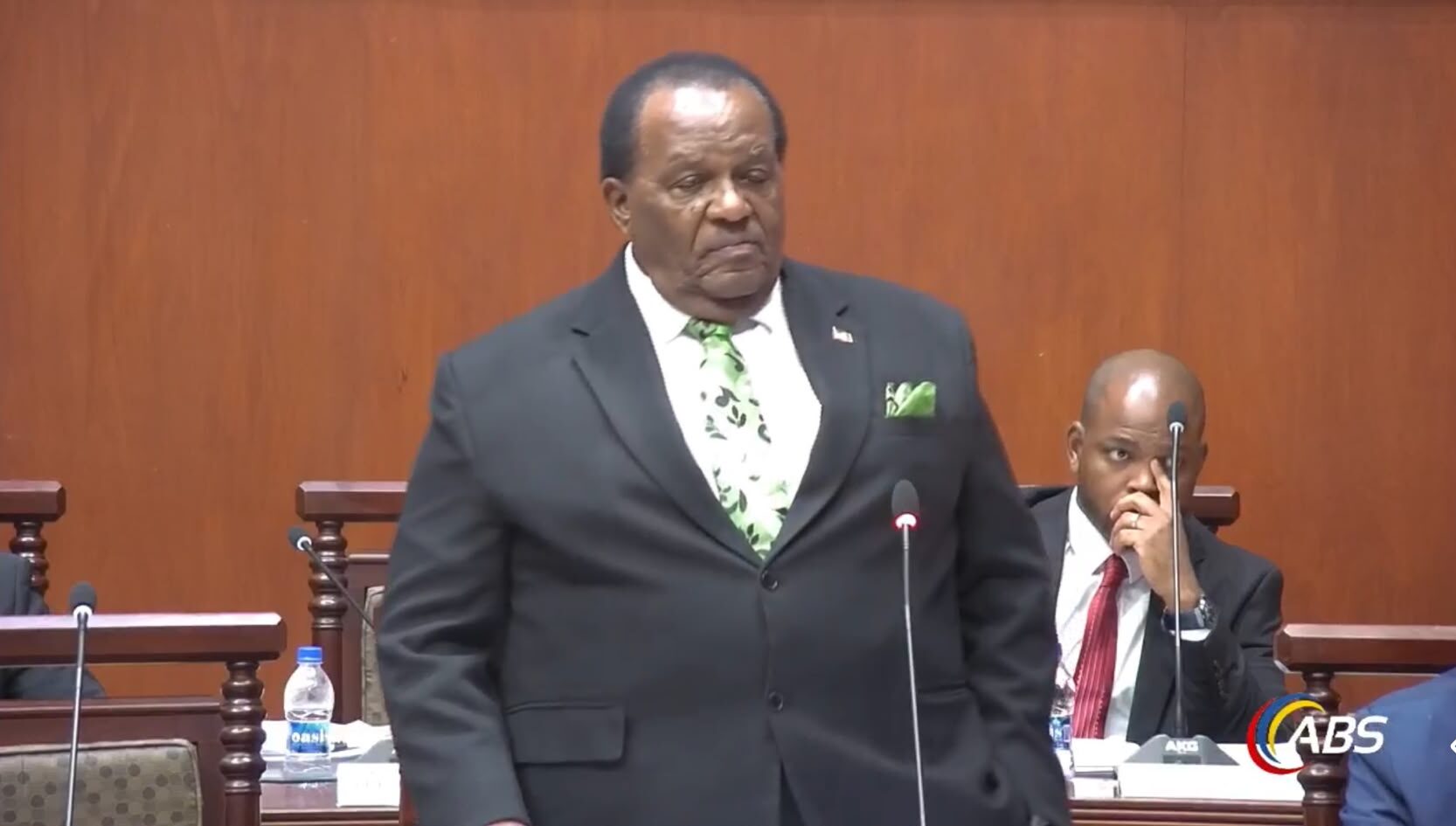
During a Tuesday parliamentary debate centered on drafting guiding principles for a potential future agreement with the United States over third-country national transfers, Antigua and Barbuda’s Attorney General Sir Steadroy Benjamin made a key disclosure regarding recent deportations from the U.S. Between March 2025 and June 2026, the Caribbean nation accepted five of its own citizens who were deported back to their home country by U.S. Immigration and Customs Enforcement (ICE), Benjamin confirmed to assembled lawmakers.
The Attorney General emphasized that taking in these deported citizens is an unwavering legal and moral responsibility of the Antigua and Barbuda government. He drew a clear line between accepting returning citizens and the ongoing negotiations with Washington around the possible transfer of non-citizens who have been removed from U.S. territory.
Benjamin stressed that unlike the obligation to take in its own nationals, Antigua and Barbuda holds no legal requirement to accept third-country nationals deported from the United States. He pushed back against any misinterpretation of the parliamentary resolution on the floor, clarifying that lawmakers are not being asked to sign off on a finalized binding agreement – because no such deal has been finalized yet.
“The White Paper laid before this House is not a finished, executable agreement, and we are not seeking approval for a conclusive operating deal. No such document exists,” Benjamin told parliament. “What we are asking this body to endorse today are the core principles that will frame all future negotiations with the U.S. This approach leaves the executive branch the necessary flexibility to secure improved terms that benefit our nation.”
Outlining the parliamentary role in the process, Benjamin added that the legislature’s responsibility is to set the overarching governing principles and binding limits that the executive branch must respect as talks move forward. He also reaffirmed a key safeguard: Antigua and Barbuda will retain full discretionary authority over every proposed third-country national transfer, and no future arrangement will include a policy of automatic admission.
Benjamin laid out strict non-negotiable terms that any final agreement must meet. The deal must explicitly exclude any transfers of individuals with criminal records, those with pending unresolved protection claims, or people with incomplete official documentation. Additionally, all financial costs tied to any third-country national transfers must be fully guaranteed in writing by the U.S. before any individual is relocated to Antigua and Barbuda. These guardrails, the Attorney General explained, are designed to protect the nation’s sovereignty, domestic security, and existing legal obligations, while still allowing the government to continue constructive discussions with the United States under a clear mandate from parliament.