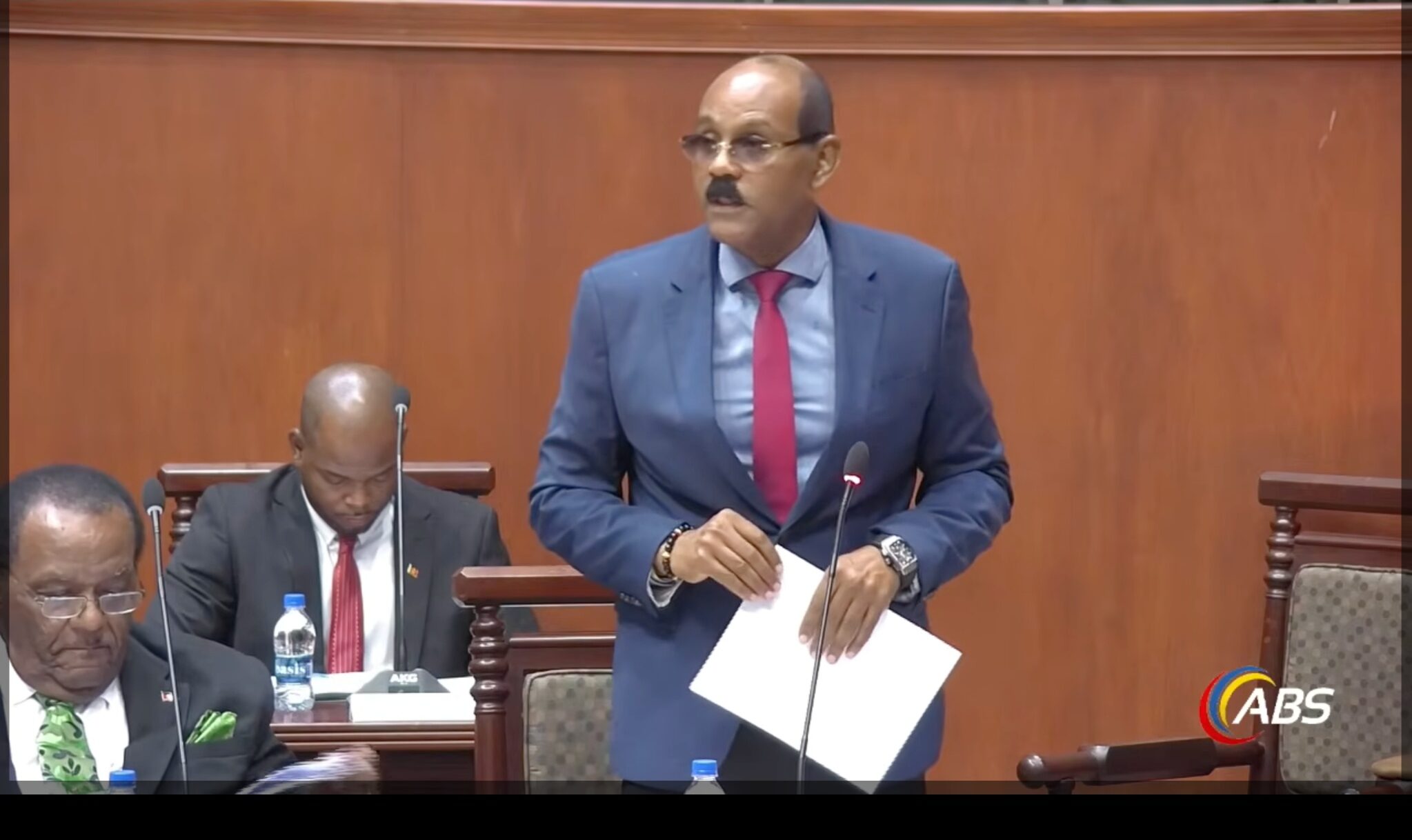
In a significant parliamentary development focused on strengthening national immigration and international cooperation frameworks, Prime Minister Gaston Browne has presented a key resolution to the Antigua and Barbuda Parliament that will establish formal regulatory guidelines for any future agreements involving the transfer of third-country nationals.
The proposal, which has been long-awaited by legislative stakeholders and policy analysts, comes amid growing regional and global discussions about managing irregular migration, strengthening border security, and clarifying the legal terms of cross-border transfer arrangements between countries. In his address to lawmakers ahead of the vote on the resolution, PM Browne emphasized that the framework is designed to ensure that all such agreements align fully with the nation’s constitutional standards, international human rights obligations, and domestic policy priorities.
Unlike ad-hoc arrangements that have been considered in some previous discussions, this resolution creates a clear, transparent legislative pathway that requires parliamentary oversight for any final agreement moving forward. It sets out specific requirements for documentation, screening, and welfare standards for any third-country nationals that would be subject to a transfer agreement, addressing concerns raised by opposition lawmakers and human rights advocacy groups over the past several months.
Lawmakers are currently debating the provisions of the resolution, with a formal vote expected to be held in the coming days. Government officials have noted that the regulatory framework does not commit the country to any specific transfer agreement at this stage; instead, it creates the legal foundation that would allow the government to negotiate and implement such arrangements in compliance with domestic law. Prime Minister Browne reaffirmed that any agreement reached under this framework would prioritize national security while upholding the dignity and rights of all individuals involved, in line with the country’s longstanding commitment to international cooperation and humanitarian principles.