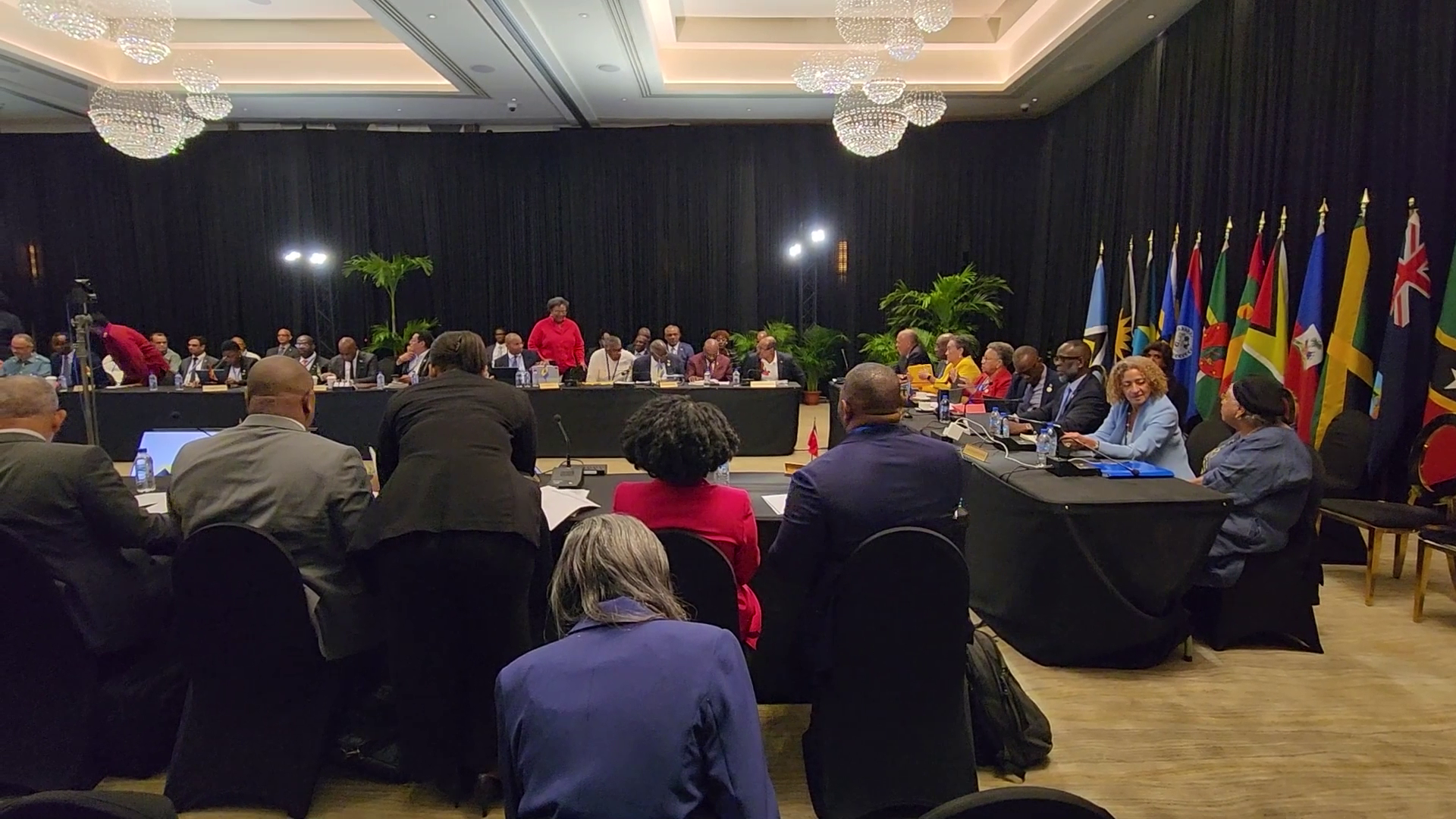
As the 2026 CARICOM Heads of Government Conference gets underway in Saint Lucia, a simmering internal dispute over the reappointment of CARICOM Secretary General Dr. Carla Barnett has avoided derailing the regional summit, after leaders agreed to a mediated path forward to resolve the impasse. Oscar Arnold, Chief Executive Officer of Belize’s Ministry of Foreign Affairs, who is present at the gathering, shared new details of the behind-the-scenes negotiations that produced a compromise on the issue. The conflict emerged after the government of Trinidad and Tobago raised formal objections to the procedural process that was followed to advance Dr. Barnett’s reappointment, creating a rift among member states in the weeks leading up to the annual summit. Widespread speculation emerged ahead of the opening of the meeting that the disagreement would overshadow other key regional agenda items and disrupt summit proceedings, putting leaders in a position to find a swift, durable resolution. Following an extended six to seven hour closed-door retreat for heads of member states, the bloc reached a unanimous agreement on a way forward: the Caribbean Court of Justice (CCJ) will be called on to deliver an official advisory opinion on the legality and process of Dr. Barnett’s reappointment. Under the terms of the compromise, the status quo will remain in place until the CCJ issues its ruling. That means Dr. Barnett will continue to carry out her duties as Secretary General throughout the review period, even if the opinion process extends beyond the expiration of her current contract. Arnold confirmed that the arrangement will hold until the court’s guidance is received, at which point CARICOM heads will reconvene to review the opinion and make a final, binding decision on the leadership post. Arnold noted that attending heads of government universally agreed that this approach is the most prudent and effective way to bring the dispute to a fair, conclusive end, preserving unity within the regional bloc while addressing the procedural concerns raised by Trinidad and Tobago. This report is adapted from a transcript of a televised evening news broadcast.