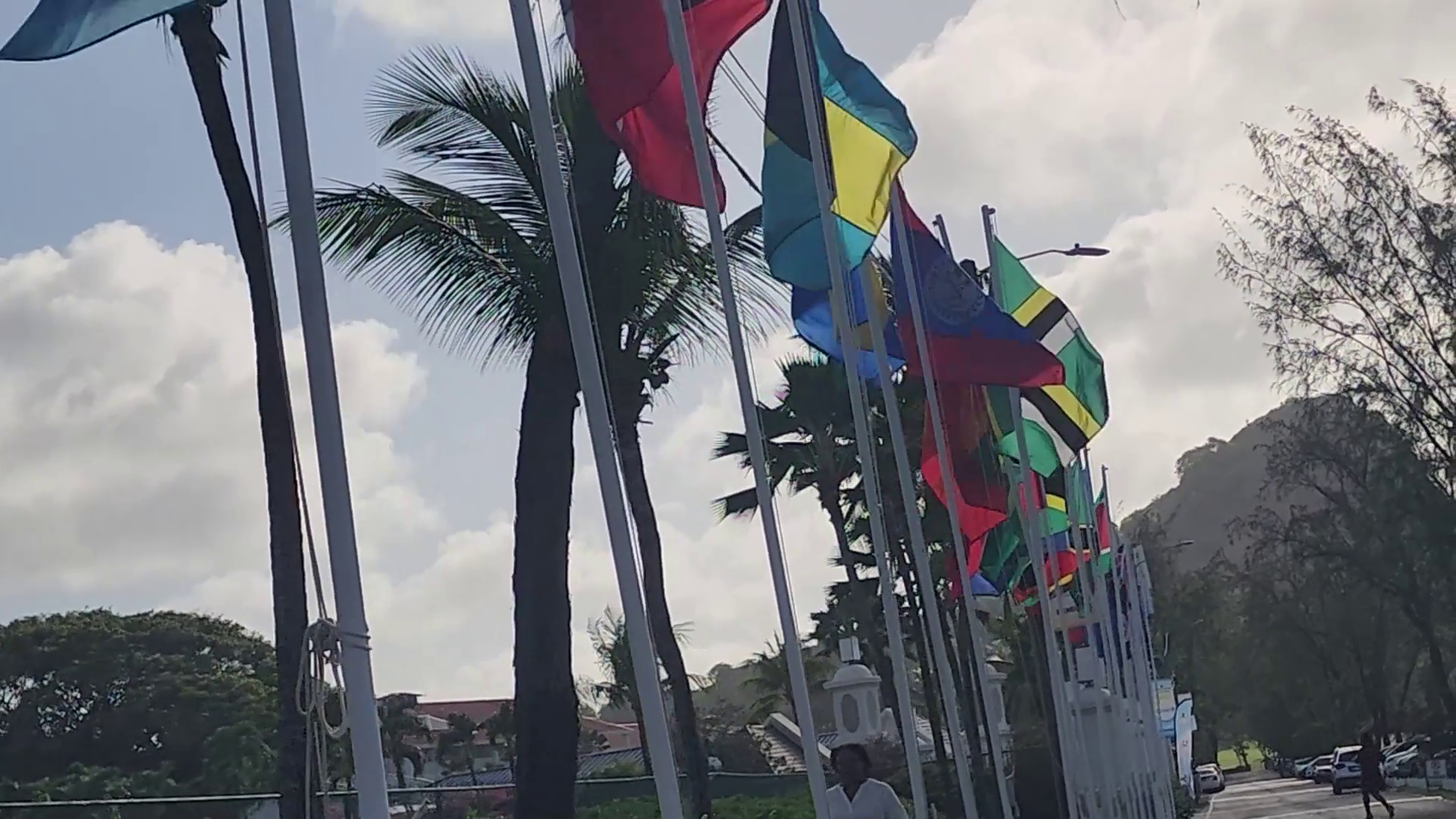
A months-long leadership dispute within the Caribbean Community (CARICOM) has reached a critical turning point, with regional leaders agreeing to refer the conflict over the reappointment of the bloc’s secretary-general to the Caribbean Court of Justice (CCJ) for an official advisory opinion. The standoff centers on formal objections raised by Trinidad and Tobago, which has repeatedly challenged the legitimacy of the process through which the sitting secretary-general secured a new term. The issue was brought to the forefront at a special retreat of CARICOM Heads of Government held on Monday, where regional leaders unanimously agreed to grant Trinidad and Tobago’s request to have the CCJ weigh in on the procedure in alignment with the Revised Treaty of Chaguaramas, the foundational legal document governing the 15-nation bloc. Until the court issues its formal ruling and the community considers its opinion, the existing arrangement for the secretary-general will remain in place, maintaining the status quo to avoid disruption to ongoing regional operations. Regional leaders have emphasized that the decision to involve the CCJ is not a sign of deep division within the bloc, but rather a deliberate effort to resolve the disagreement through peaceful, legal channels. They also noted that the move serves to reinforce the core mandate of the CCJ, which was established specifically to provide authoritative interpretations of CARICOM’s governing treaty and uphold the rule of law across the region. In public statements following the retreat, leaders stressed that the dispute is not an attack on any individual member state or the incumbent secretary-general, but instead forms part of a broader, long-running initiative to strengthen institutional governance and transparency across the entire CARICOM community. This development comes amid growing calls from regional civil society groups for clearer, more consistent processes for senior appointments within CARICOM’s institutional structure, as the bloc works to advance coordinated policy on climate resilience, economic integration, and cross-border security. Regional correspondent Peter Richards reported the latest developments from Castries, St. Lucia, on the evening of July 7, 2026.