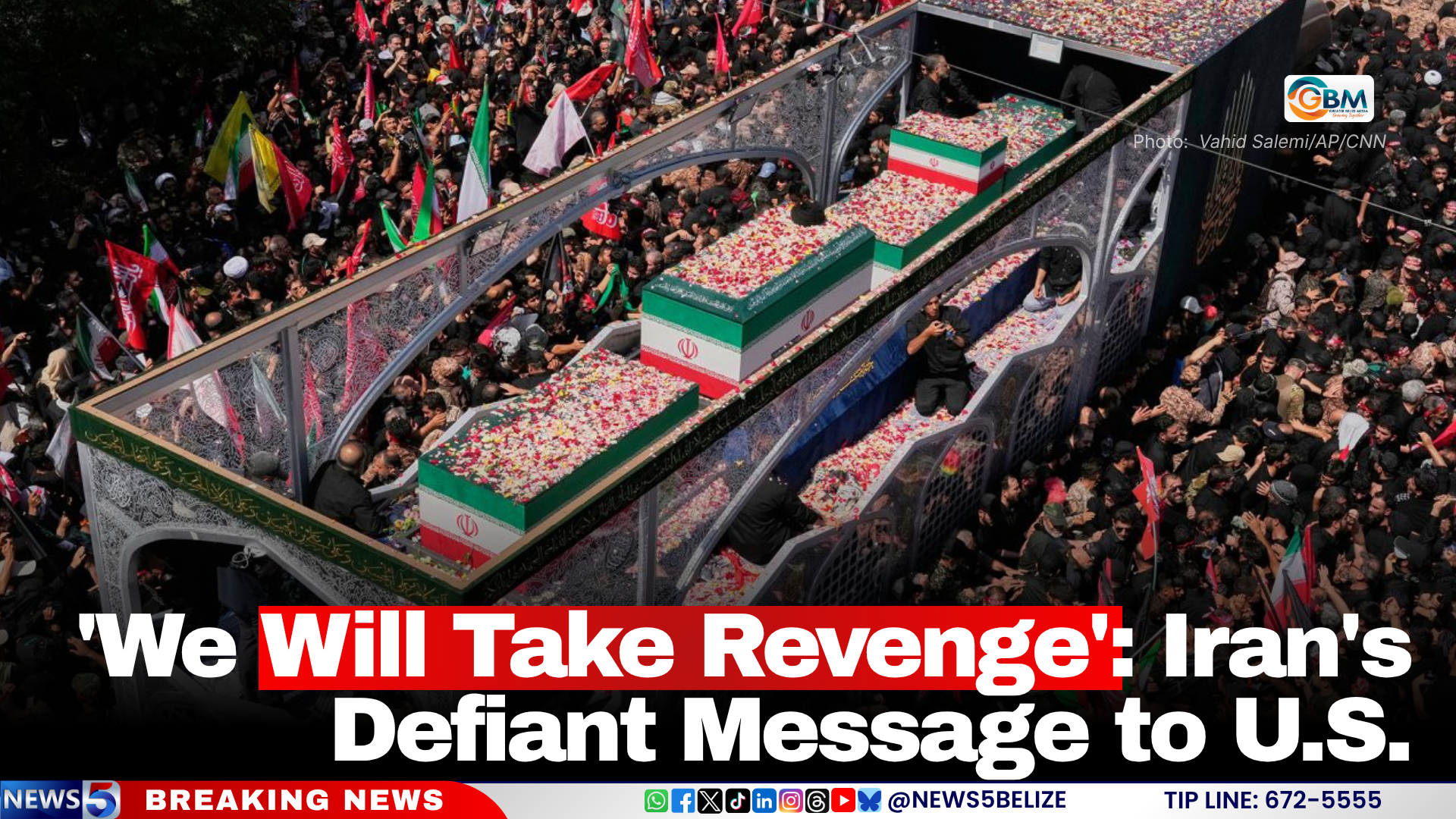
On July 6, 2026, Iran’s national mourning for the passing of Supreme Leader Ayatollah Ali Khamenei has turned into a large-scale public demonstration of defiance against the United States and Israel, as hundreds of thousands of Iranians packed the streets of Tehran to join the multi-day funeral procession. According to reporting from NBC News, mourners in the capital filled major thoroughfares, chanting anti-U.S. and anti-Israel slogans and openly voicing calls for retaliation over the strike that killed Khamenei alongside several of his family members.
The February 28 airstrike, jointly carried out by U.S. and Israeli forces, claimed the lives of Khamenei and his relatives, whose caskets were paraded slowly through Tehran at the start of the week-long funeral proceedings. As the procession moved across the capital, attendees waved Iranian national flags, hung anti-American signage along parade routes, and even displayed effigies of U.S. President Donald Trump to channel public anger. One attendee, Fatima Hassan, made clear the event’s charged tone in comments to NBC News, stating, “We are not here to say goodbye to him. We are here for revenge. And we will take revenge.”
Iranian government officials have enacted widespread disruptions to daily life across the country to facilitate the state-organized mourning period. All major road routes through Tehran have been closed, the national airspace has been restricted, and most commercial and public operations have been paused through the end of the procession, which is scheduled to conclude Thursday. Following the initial procession in the capital, Khamenei’s casket will be transported across multiple religious sites for additional public mourning: first to the holy Iranian city of Qom, then to major Shiite holy sites in Iraq, before finally being interred at the Imam Reza shrine in the northeastern Iranian city of Mashhad.
Beyond the public demonstration of anger, the funeral has brought ongoing high-stakes diplomacy between Washington and Tehran to a full halt. Key negotiations aimed at securing a permanent ceasefire to end the recent open conflict between the two nations, resolving long-standing disputes over Iran’s nuclear program, and reopening the strategically vital Strait of Hormuz will remain suspended until after Khamenei’s burial, leaving regional and global tensions at a heightened standstill.