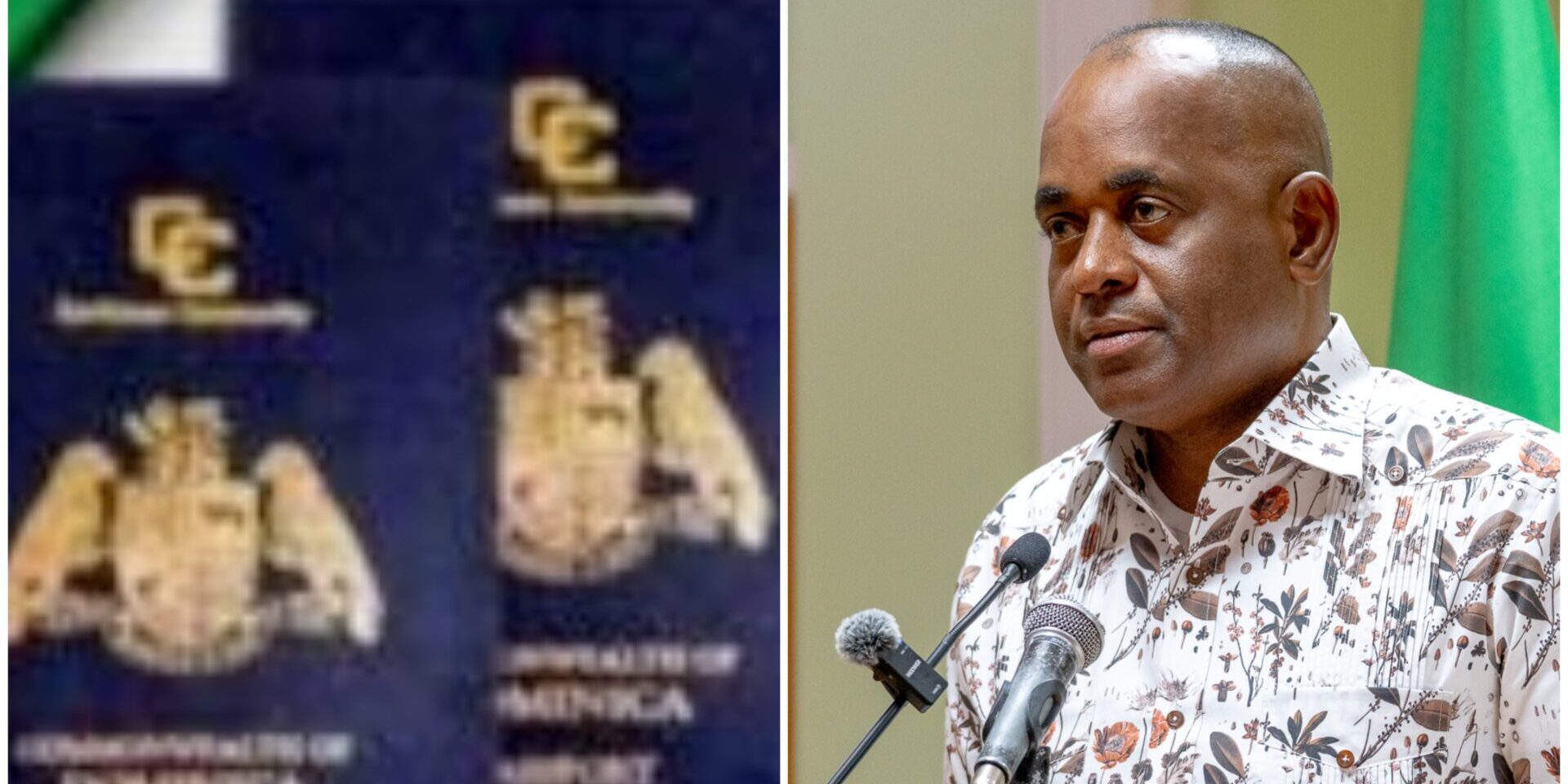
For three decades, Dominica’s Citizenship by Investment (CBI) Programme has stood as a cornerstone of the island nation’s socioeconomic progress, Prime Minister Roosevelt Skerrit has affirmed, framing the initiative as a transformative engine of growth that delivers critical public investment without shifting additional tax pressure onto local citizens.
Speaking at a recent press briefing, Skerrit detailed the far-reaching impact of the program, which has unlocked financing for a wide range of high-priority public projects across the country. From climate-resilient housing units and new educational institutions to upgraded healthcare facilities, modernized roads and bridges, and large-scale climate adaptation projects, CBI revenue has covered costs that would have otherwise required major government borrowing or tax hikes. The program has also proven particularly vital in post-disaster recovery efforts, stepping in as a reliable source of capital after the island suffered repeated impacts from hurricanes and other external shocks, Skerrit added.
Beyond core public infrastructure, CBI proceeds have fueled strategic investments in key growth sectors that expand Dominica’s economic base, including tourism infrastructure, renewable energy development, and modernized agricultural systems. Unlike traditional development financing that relies on increasing domestic tax rates to fund public projects, Skerrit emphasized, the CBI model offers a sustainable alternative that lets the government deliver progress without placing extra financial strain on local households.
As global regulatory standards for investment migration continue to evolve, Dominica has proactively strengthened its own CBI framework to maintain international credibility, the Prime Minister noted. Key improvements include enhanced due diligence protocols, strengthened institutional governance, greater operational transparency, closer collaboration with international law enforcement agencies, and more rigorous applicant vetting processes. Most notably, Dominica has already passed legislation to launch a new regional oversight body, the Regional Regulatory Authority, which is scheduled to go into effect later this month.
The new authority is designed to create a harmonized set of regulatory rules for CBI programs across participating Eastern Caribbean nations, standardizing oversight practices and promoting consistent high standards throughout the region. The initiative grew out of collaborative discussions among regional legal leaders during the Seventh Meeting of Eastern Caribbean Currency Union (ECCU) Attorneys General and Chief Parliamentary Counsel, held in Anguilla in May 2025. At that meeting, legal and regulatory representatives from the five Organisation of Eastern Caribbean States (OECS) member states that operate CBI programs — Dominica, Antigua and Barbuda, Grenada, St Lucia, and St Kitts and Nevis — advanced negotiations to finalize the framework for the unified regional regulator.
Skerrit’s remarks come amid a broader regional push by Caribbean governments to strengthen the governance, transparency, and global standing of CBI programs through coordinated cross-border cooperation and upgraded regulatory standards.