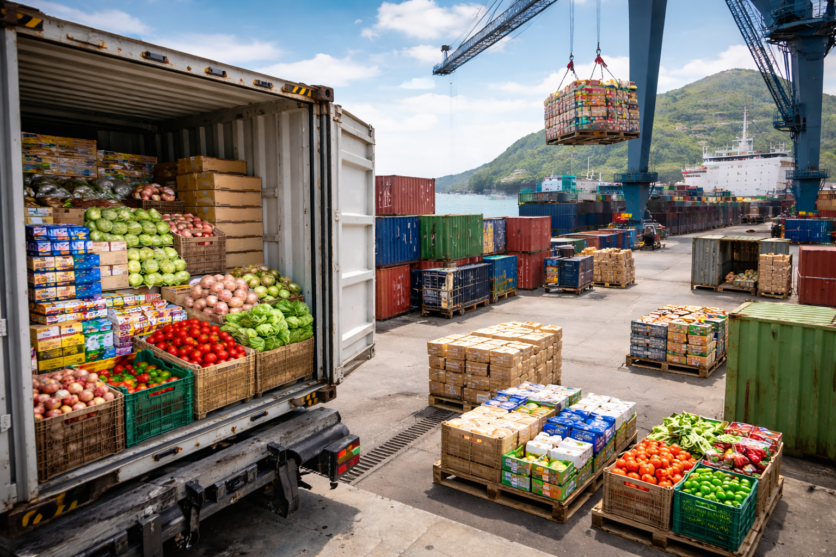
Against a backdrop of soaring regional living costs that have strained household budgets across small island nations, the Organization of Eastern Caribbean States (OECS) is actively pursuing a policy shift that could bring much-needed relief to consumers: negotiating for cheaper food imports from the Dominican Republic. This initiative was publicly confirmed by Gaston Browne, the Prime Minister of Antigua and Barbuda, who outlined the scope and goals of the exploratory talks in recent public remarks.
For years, OECS member states have relied on a limited network of food trade partners, which has left the region vulnerable to global supply chain disruptions, fluctuating shipping costs, and inflated pricing from traditional suppliers. The combination of post-pandemic economic aftershocks and global inflationary trends has pushed food prices sharply higher across the Eastern Caribbean, making basic groceries less accessible for low- and middle-income families and amplifying broader cost of living crises across the bloc.
Against this challenging economic landscape, Browne explained that opening new trade channels with the Dominican Republic, a larger regional producer of a wide range of staple foods, creates a clear opportunity to cut down on import expenses. The Dominican Republic’s geographic proximity to the OECS bloc also reduces shipping distances and associated freight costs, creating additional savings that can be passed on to end consumers. Browne emphasized that bringing down food prices is a top policy priority for OECS leaders, as it directly addresses one of the most burdensome expenses facing households across the region.
Currently, OECS trade and economic teams are conducting in-depth assessments of the proposal, evaluating everything from trade regulations and supply capacity to potential tariff adjustments that would enable the cheaper import scheme. The initiative reflects a broader push by regional leaders to diversify food import sources, enhance regional food security, and mitigate the impact of global economic volatility on small island economies. If negotiations progress successfully, the new trade arrangement could be implemented in the coming months, delivering tangible relief to consumers across OECS member countries.