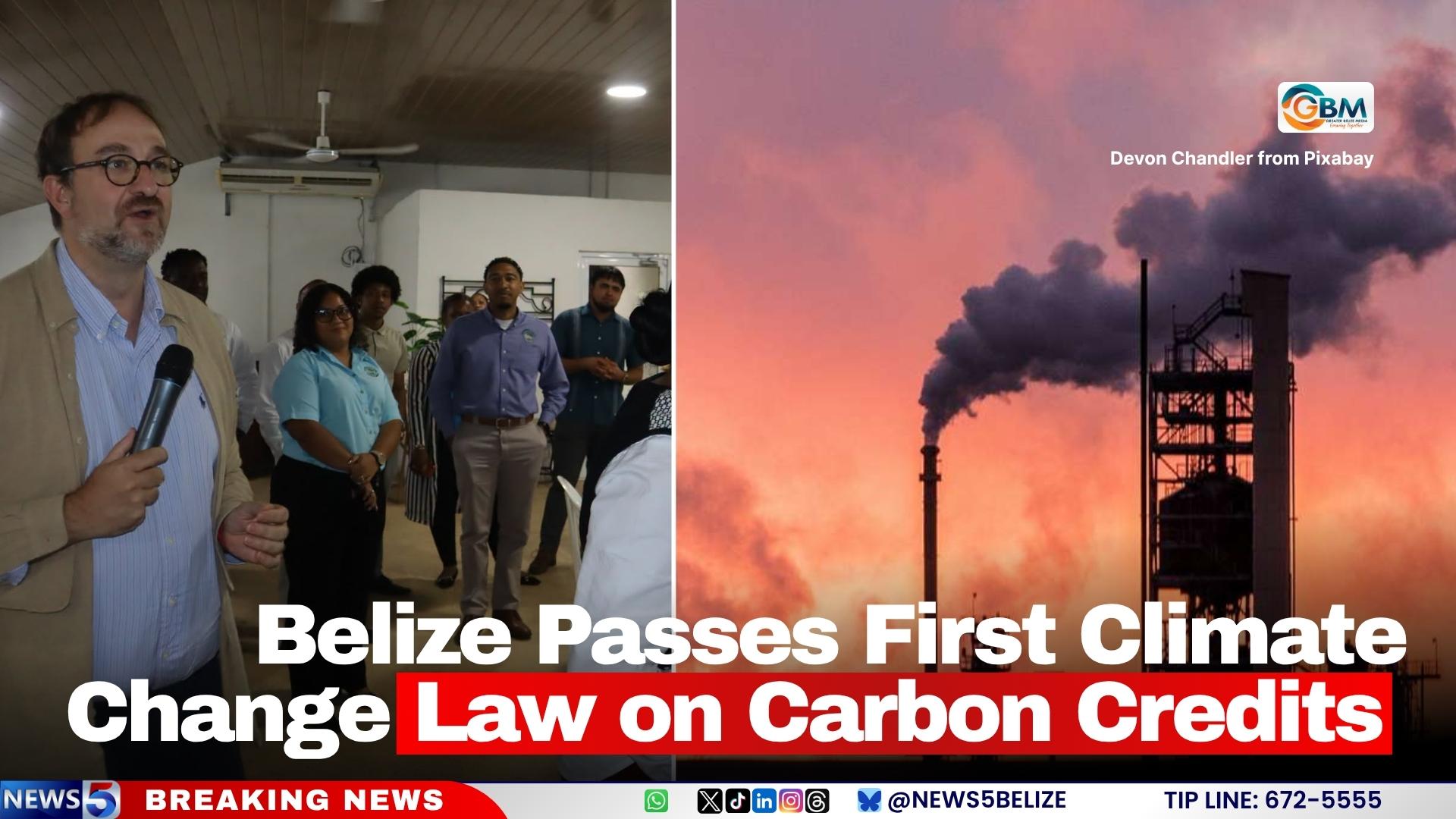
On June 18, 2026, Belize made history in its climate action journey when Governor-General Dame Froyla Tzalam formally signed the nation’s first-ever legislation focused on climate change and carbon market governance into force. Just two days after the signing, the law was officially published in the country’s official Gazette, marking the completion of its legislative adoption and opening a new chapter for Belize’s climate resilience and sustainable development efforts.
This landmark legislation carries two core mandates that reshape the country’s climate governance framework. First, it formalizes the status of the national Climate Change Department as an official government body, while expanding its institutional authority to coordinate cross-sector climate action and systematically track the country’s progress toward meeting its climate targets. Second, it establishes the first formal regulatory framework for Belize’s emerging carbon market, creating clear rules that allow both public and private actors to generate revenue through verified emission reduction activities by selling those climate benefits as tradeable carbon credits.
Orlando Habet, Belize’s Minister of Sustainable Development and Climate Change, emphasized that the new legislation empowers the nation to advance its climate priorities on its own terms, strengthening Belize’s position in global climate action. “This law puts Belize in a stronger position to advance our climate agenda on our own terms,” Habet noted, highlighting the country’s commitment to centered its own development and environmental needs in climate policymaking.
With the foundational legislation now in effect, the government has shifted focus to the critical next step: implementing the law through the development of detailed regulatory frameworks, operational standards, and administrative systems that will govern how carbon market projects are structured and operate across Belize. To kick off this implementation phase, the Ministry of Sustainable Development and Climate Change, backed by technical and financial support from the European Union, the Euroclima regional climate programme, and the United Nations Development Programme, hosted a two-day inclusive policy drafting workshop in the capital city of Belmopan on June 24 and 25.
In a break from one-size-fits-all policy models imported from other regions, the workshop intentionally brought together a diverse cross-section of stakeholders: senior government officials, private sector representatives, environmental advocacy organizations, academic climate researchers, and local community leaders. The goal of this broad participation is to ensure that the resulting Climate Change and Carbon Market Policy is tailored to Belize’s unique ecological, economic, and social context, rather than adopting an off-the-shelf framework that does not align with local needs.
Habet outlined the core principles guiding the policy development process, emphasizing that it will remain open, inclusive, and rooted in national ownership. “The goal is to keep the process open and built on broad consultation and national ownership, one that reflects our priorities, protects our people and ecosystems, and positions Belize to benefit from climate finance,” Habet explained.
Edalmi Pinelo, Belize’s Chief Climate Change Officer, echoed this commitment to collective input, noting that the entire process is designed to center stakeholder feedback. “This is a collective process,” Pinelo said. “We are here to listen, and the feedback gathered will inform every stage of policy development.”
Looking ahead, the Belizean government has announced plans for additional rounds of public consultation and working group sessions over the coming months as it continues to refine and finalize the national climate and carbon market policy. The inclusive approach is designed to build broad national buy-in while ensuring that the emerging carbon market delivers tangible benefits for Belize’s people and natural environments, rather than external actors.