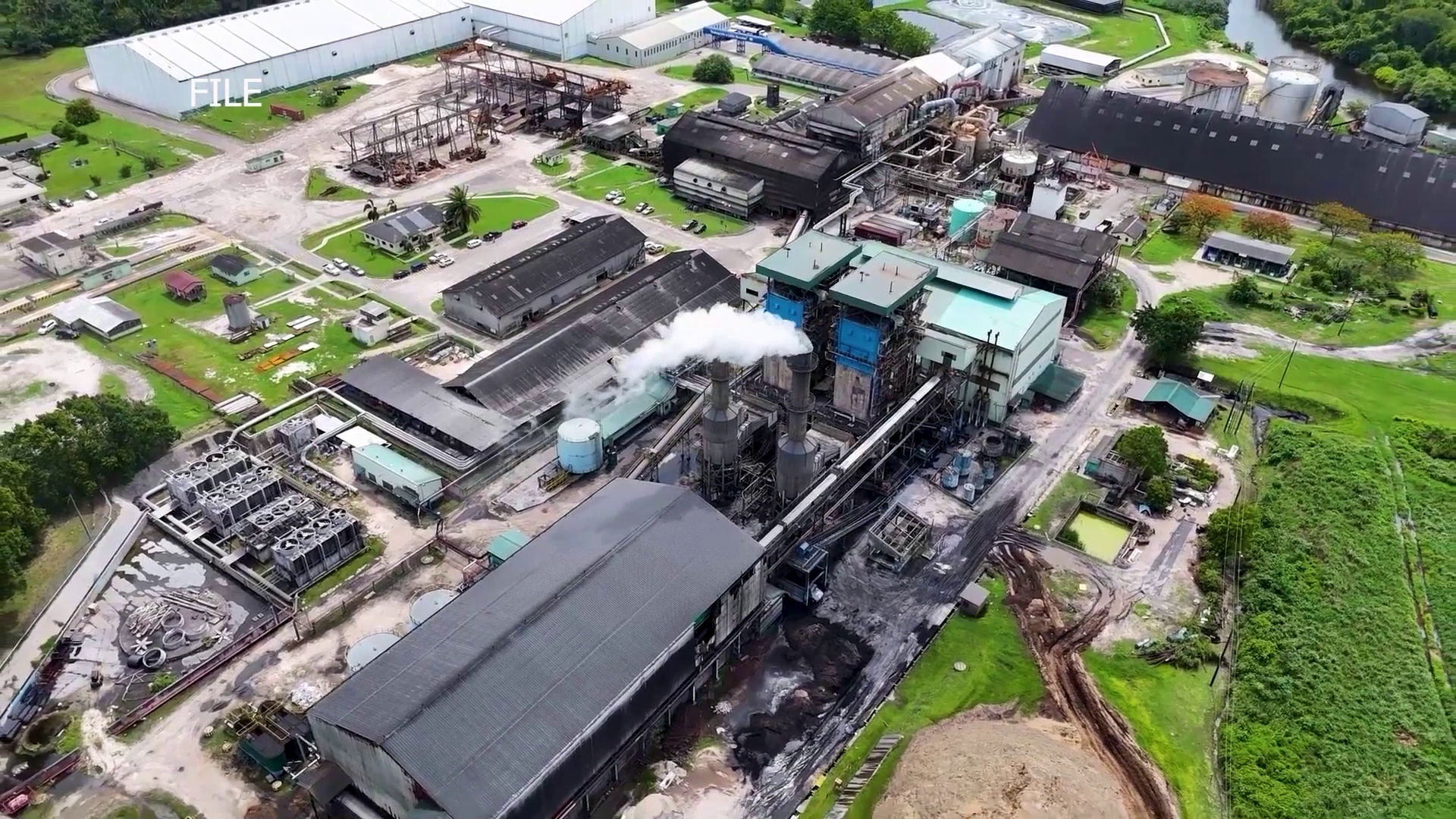
Belize’s $120 million sugar cane industry has announced an early close to its 2026 growing season, cutting the harvest short by several weeks to address a cascade of interconnected challenges that have derailed production targets for the year. The official end of harvesting operations is scheduled for June 21, more than two months ahead of the typical season close, after farmers and mill operators agreed that remaining unharvested cane could not be profitably or practically collected given current constraints.
For small and large-scale sugar cane producers across the country, this decision brings a mix of relief and lingering anxiety. The 2026 season has been one of the most difficult in recent memory, marked by soaring input costs, unpredictable weather patterns, widespread pest infestations, labor shortages, and unexpected processing disruptions at the country’s sugar mills. Industry stakeholders convened a crisis meeting earlier this week to evaluate the remaining cane in the fields and weigh the costs of continuing harvest against potential returns, ultimately reaching a unanimous decision to wrap operations early.
Vladimir Puck, Chairman of the Corozal Sugar Cane Producers Association (CSCPA), explained that labor shortages have emerged as the most persistent and crippling barrier to production, a challenge the industry has faced for nearly three years running. “The biggest issue we’re grappling with right now is a lack of available cane cutters,” Puck shared in an interview. “Even without other problems, that single issue would hold us back. On top of that, the mill also experienced unexpected mechanical breakdowns during the season, which further slowed processing and created backlogs that we can’t make up at this point.”
Olivia Carballo-Avilez, Cane Farmer Relations Manager for Belize Sugar Industries (BSI), outlined the gap between initial projections and final production numbers. When the season launched in January, stakeholders forecast total cane deliveries of just under 1 million tons. As of the week of the early close announcement, total deliveries hit roughly 815,000 tons, falling far short of the target. Recent heavy rainfall has turned field conditions muddy and impassable for harvesting crews, with only 20,000 to 25,000 additional tons deemed accessible even with extended operations. These poor field conditions have also disrupted factory processing schedules, creating additional pressure to end the season early. “We sat down together as stakeholders and made the collective decision to close the crop based on the realities we’re facing on the ground,” Carballo-Avilez noted.
The 2026 season was launched with high hopes and major public investment: at the opening ceremony in January, Prime Minister John Briceño announced a $120 million industry-wide revitalization plan, including $3 million earmarked directly to support smallholder farmers. Briceño emphasized the government’s commitment to strengthening the sugar sector, which is a cornerstone of Belize’s rural economy, by placing the Ministry of Sugar directly under his oversight and launching a coordinated plan to address longstanding industry issues alongside producer associations and BSI.
Not all outcomes from the 2026 season are negative. Farmers report that overall cane quality has improved thanks to technical support from the Sugar Industry Research and Development Institute (SIRDI), resulting in higher sugar output per ton of harvested cane that partially offsets lower total production volumes. Even so, industry leaders warn that urgent intervention is needed to avoid a repeat of poor production results in the 2027 season.
Alfredo Ortega, Vice Chairman of the Belize Sugar Cane Farmers Association (BSCFA), explained that growing pest infestations are already threatening next year’s crop, and many small-scale producers cannot afford the cost of pest control treatments on their own. “Right now, we’re seeing rising infestation rates across multiple cane fields,” Ortega explained. “If we don’t address this immediately, we’ll see a sharp drop in cane quality for the next crop. The current payments farmers receive don’t cover the cost of spraying for pests, so we’re waiting on the government, SIRDI and CRESAP to roll out a support program to provide these resources to producers.”
Puck added that mealybug infestations have hit cane fields particularly hard this year, and the problem has not improved despite ongoing efforts to manage it. Shifting weather patterns and widespread yellowing cane have further compounded pest pressures, creating a growing set of threats that the industry has yet to bring under control. While farmers remain cautiously optimistic that targeted support will help them turn around production for the 2027 season, widespread uncertainty remains about the sector’s near-term trajectory. This report was compiled by Britney Gordon for News Five.