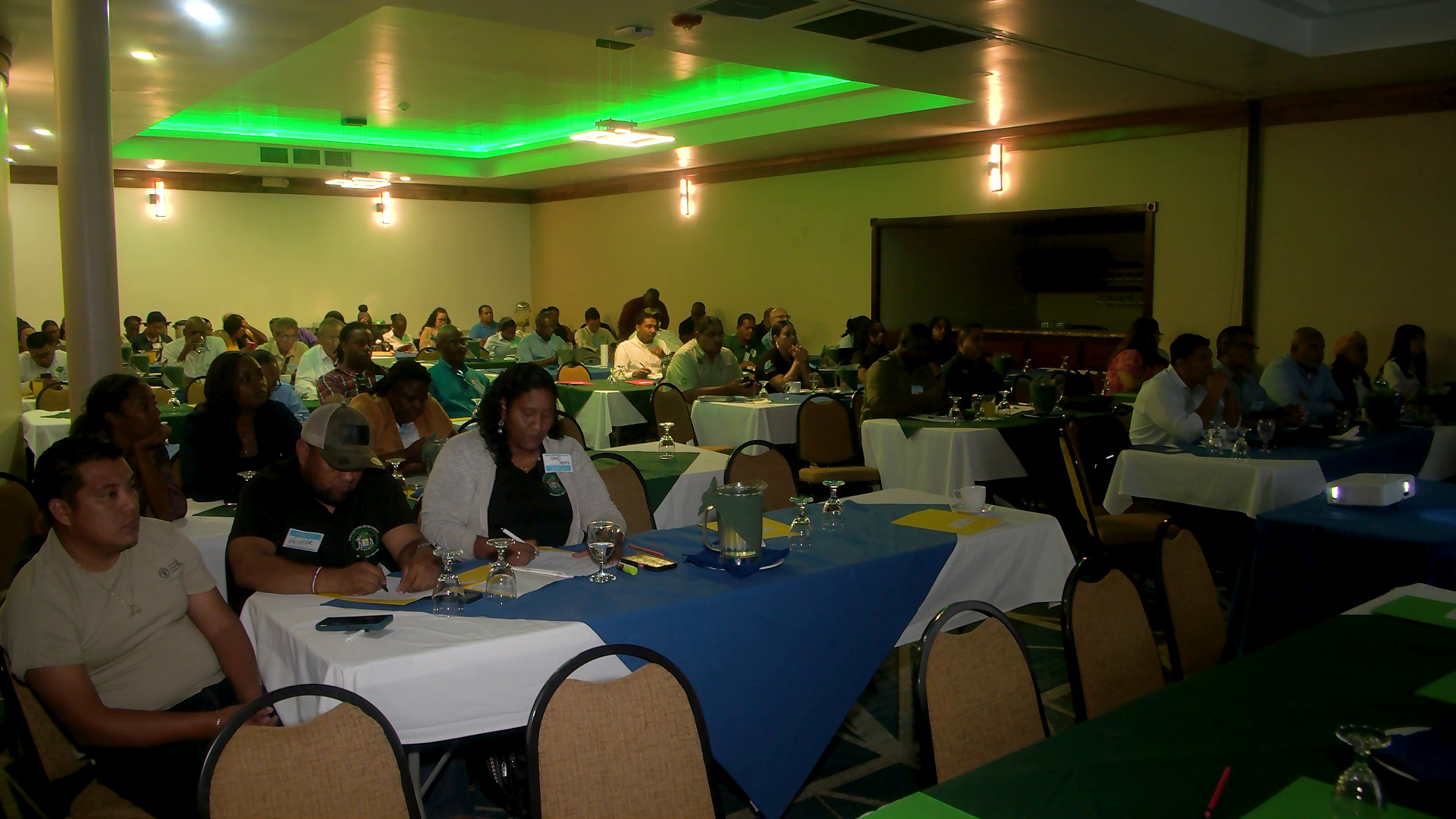
As the 2026 Atlantic hurricane and Atlantic warm season gets underway, climate threats have emerged as an urgent priority for Belize, prompting national stakeholders to gather for coordinated preparedness action. On June 18, 2026, the country held its annual National Climate Outlook Forum, bringing together farmers, disaster management officials, public health representatives and other key groups to align on the three interconnected climate hazards set to test the nation over the coming months: a moderate-to-strong El Niño event, above-average hurricane risk, and a far worse than average sargassum influx.
Leading the forum was Chief Meteorologist Ronald Gordon, who explained that the meeting served far more purpose than simply sharing seasonal forecasts. Instead, the event was designed to bring all sectors up to speed on expected conditions, assess the potential impact of climate hazards on each industry, and collect stakeholder feedback to improve the national meteorological service’s future support for local communities.
“While many outside experts are referring to this event as a ‘super El Niño’, our service anticipates a moderate to strong event that is already confirmed to be developing,” Gordon noted in his address to attendees. “The primary expected impact for Belize is an extended dry spell and widespread rainfall scarcity through the season, but that does not rule out extreme short-period heavy downpours like the severe storms we saw across the country just last week.”
On the hurricane front, official seasonal projections point to lower-than-average total cyclone activity across the Atlantic basin this year. But Gordon emphasized that even one landfalling hurricane can cause catastrophic damage to Belize’s coastal communities and infrastructure, stressing that preparedness remains non-negotiable regardless of overall basin activity.
Compounding the two well-documented climate threats is an already severe sargassum season, with national officials warning that unusually warm surface waters in the Atlantic will continue driving massive algal blooms to Belize’s coasts well past August. Weekly monitoring alerts are already tracking major coastal impacts from the invasive sargassum, which harms tourism, disrupts fishing, degrades coastal ecosystems, and creates public health risks for coastal communities.
Gordon added that continuous stakeholder engagement is a core part of the meteorological service’s ongoing work to upgrade its climate services. “We have rolled out multiple new initiatives and projects to improve the support we deliver to the public and sector leaders, but we can only do that effectively if we check in regularly to make sure we are meeting their needs,” he said. “This forum is how we get on the same page, address gaps, and make sure the whole country is ready to respond when hazards hit.”