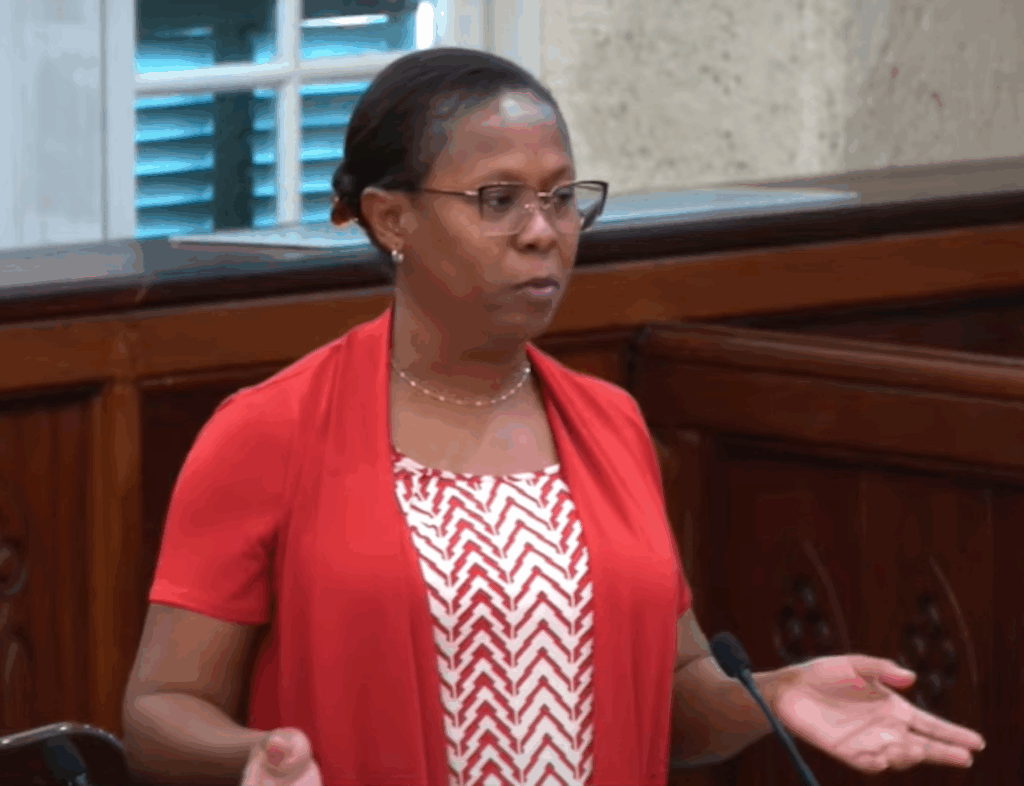
During Tuesday’s debate on the landmark Barbados Medical Products Bill in the country’s House of Assembly, sitting Member of Parliament and practicing general practitioner Dr. Sonia Browne St Philip put forward a controversial proposal to ease mounting financial pressure on the island nation’s state-funded healthcare system. Her core call: require a subset of returning Barbadian nationals who have not contributed to the country’s national insurance system during their time living abroad to cover partial or full costs of prescription medication received at public polyclinics.
Dr. Browne argued that the current policy of free medication for all arrivals places an unnecessary, unfair strain on public budgets that could be redirected to other pressing healthcare needs. “It is only fair that those who have never given back to our system contribute a little when they access its services,” she stated, noting that hundreds of patients pass through public polyclinics daily, with a notable share being returning expats who collect overseas pensions and have never paid local national insurance contributions. Many of these individuals, she added, wait for hours to access free medication subsidized by local taxpayers who have spent decades contributing to the national healthcare fund. She emphasized the proposal would include exceptions for vulnerable groups, but said a broad review of the current policy is long overdue.
Beyond the cost-sharing proposal, Dr. Browne used the debate to highlight two critical unregulated drug issues that she said demand urgent action under the new legislation. First, she called out a thriving illegal trade where unscrupulous individuals purchase low-cost regulated medication in Barbados, then smuggle it to other countries to sell for marked-up profits. She expressed clear expectation that the new bill would grant authorities the power to crack down on this illicit activity, which she said further drains local pharmaceutical supplies and drives up public costs. Second, she raised alarms about unregulated health products sold in Barbados with incomplete or missing packaging labeling, pointing to a recent case that nearly ended in tragedy. A patient she treated presented with severe palpitations and symptoms consistent with an impending heart attack after consuming an unlabeled “energy capsule” — a risk that could have been avoided with proper regulatory oversight. Dr. Browne urged the new Barbados Medical Products Regulatory Authority, which will be established under the bill, to prioritize tightening oversight of these underregulated products to protect public safety.
Closing her remarks, Dr. Browne paused to pay heartfelt tribute to Janette Jan Lynton, the revered founder of Barbados’ Cancer Support Services, who passed away on Monday night. She remembered Lynton as a transformative figure in local cancer care, who played a pivotal role in supporting the island’s main public care facility, Queen Elizabeth Hospital, by donating critical supplies and funding a dedicated treatment room for thyroid patients undergoing radiotherapy. Lynton, Dr. Browne said, pioneered a holistic approach to cancer care that addressed not just the medical needs of patients, but their psychological and financial needs as well, stepping in to cover medication costs for low-income families and supporting patients through their final days. She also noted Lynton’s work educating both medical professionals and the broader public through annual cancer treatment seminars, which had improved care standards across the island. “There are countless families who have benefited from her compassion and support,” Dr. Browne said, adding that she hoped Lynton’s legacy of service would continue to shape cancer care in Barbados for generations to come.