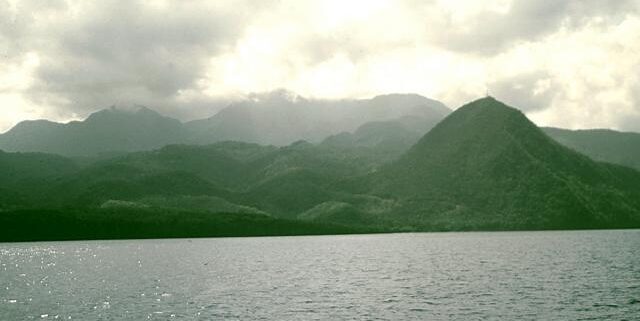
The Commonwealth of Dominica has kicked off a landmark conservation initiative to strengthen the long-term protection and sustainable management of Morne Diablotin National Park, a crown jewel of the Caribbean island nation’s rich natural heritage, government officials have confirmed.
The project, outlined in an official statement from the Ministry of Environment, Rural Modernisation, Kalinago Upliftment and Constituency Empowerment, centers on two core priorities: formally demarcating the national park’s exact boundaries and establishing a structured buffer zone around the protected area. This dual approach is designed to safeguard the park’s irreplaceable natural resources while creating space for inclusive, sustainable development for neighboring communities.
Funded by the Global Environment Facility (GEF) and implemented via a partnership between the World Bank and the Dominican government, the work falls under the broader Leveraging Eco-Tourism for Biodiversity Protection in Dominica (LETBP) Project, a national program that ties conservation goals to inclusive economic growth through nature-based tourism. After a rigorous competitive bidding process, Environment Direct Consulting Inc., a Dominican-owned environmental and geospatial firm, was selected to lead the project delivery. Headed by Dr. Camille David, the firm brings over 20 years of specialized experience across the Caribbean in environmental science, biodiversity conservation, geographic information systems (GIS), protected area management, land-use planning, and multi-stakeholder engagement.
Morne Diablotin National Park is far more than a protected green space for Dominica: it is a critical ecological anchor for the entire island. The park is home to numerous endemic plant and animal species found nowhere else on Earth, preserves vital island watersheds that supply clean water to local communities, and supports a wide range of ecosystem services that underpin both local livelihoods and the national economy. The new buffer zone project has been in the making for years, with the concept first introduced in the official Morne Diablotin National Park Management Plan. The buffer will act as a controlled transition area between the strictly protected core forest and adjacent developed lands used by local communities.
Ministry officials explain that well-designed buffer zones address two key challenges at once: they reduce human-caused pressures on the protected core park area, while also opening up opportunities for nearby residents to build sustainable, environmentally compatible livelihoods that do not harm the park’s ecology. Over the course of the consultancy, the project team will conduct extensive, inclusive consultations with a full range of stakeholders, including local landowners, community residents, relevant government agencies, and Indigenous and local interest groups. Key topics for discussion will include negotiating mutually acceptable buffer zone boundaries, resolving longstanding land ownership and tenure questions, and co-developing solutions that strike a fair balance between national conservation targets and the practical needs and interests of communities living near the park.
Honourable Cozier Frederick, Minister for Environment, Rural Modernisation, Kalinago Upliftment and Constituency Empowerment, praised the launch of the initiative and underscored its central role in securing Dominica’s environmental future. “As Dominica continues to position itself as a global leader in climate resilience and environmental stewardship, the protection of our protected areas remains a national priority,” Frederick said. “This initiative represents an important investment in the future of Morne Diablotin National Park, ensuring that its forests, wildlife, watersheds, and ecological values are preserved while fostering sustainable opportunities for surrounding communities. Together, we are strengthening the foundation of a greener, more resilient Dominica.”
The Ministry has urged all relevant stakeholders to take an active part in the upcoming consultation process, noting that open collaboration across all groups will be the single most important factor in delivering a successful, equitable project that benefits both conservation and local communities for generations to come.