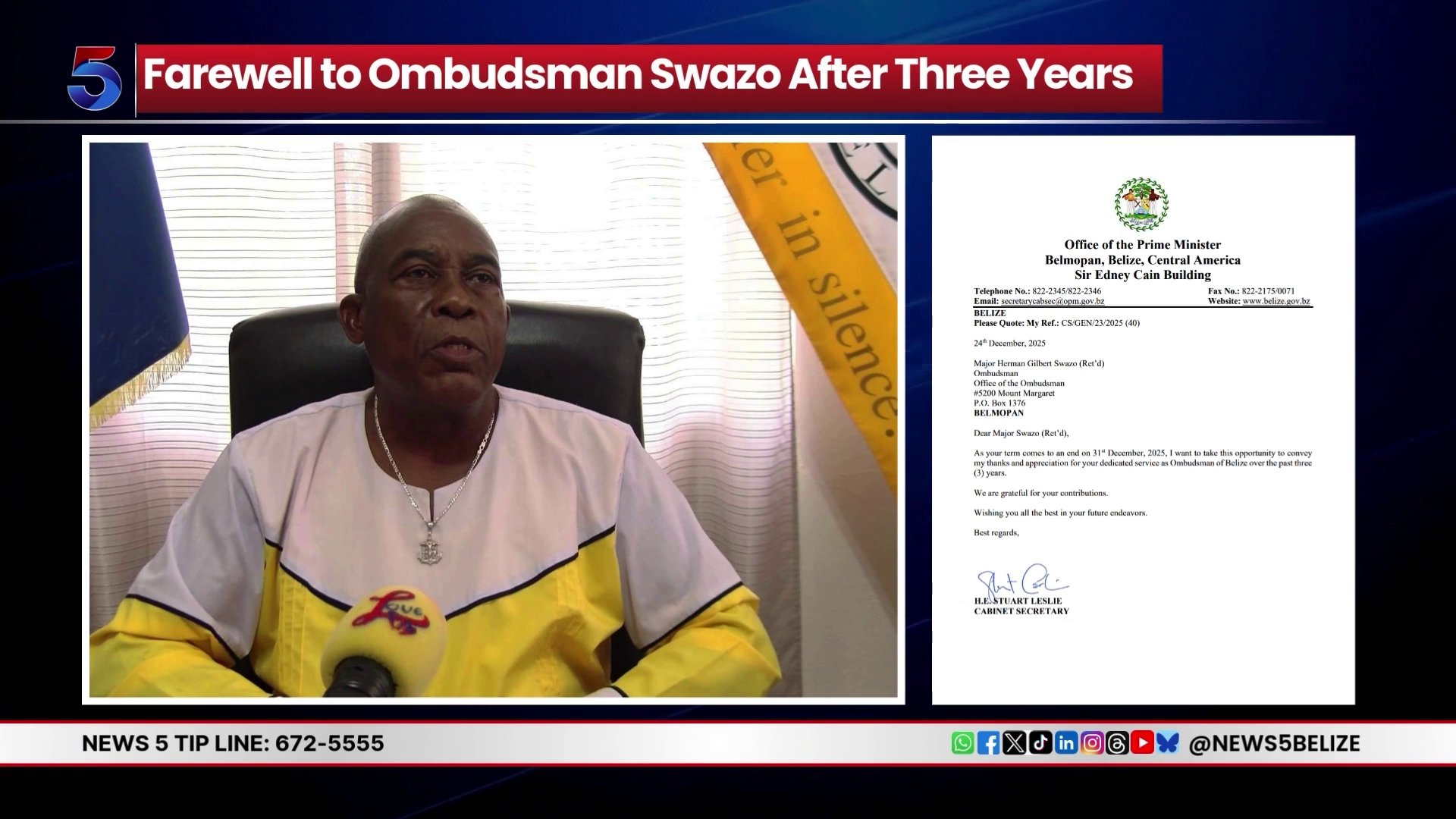
As a high-stakes legal confrontation approaches next week, a fundamental debate over public accountability and government oversight has taken center stage, pitting the nation’s former top ombudsman against the sitting government over a six-month vacancy in the critical public watchdog role.
Former Ombudsman Gilbert Swaso has launched a court challenge against the administration, arguing that the prolonged lack of a permanent appointee to the post has systematically eroded the office’s ability to check government maladministration and protect citizen rights. At the core of Swaso’s legal complaint is a longstanding structural flaw: the ombudsman’s office currently lacks an independent legal team and autonomous budget, forcing it to rely on the Attorney General’s office for legal support — even when the government itself is the subject of investigations or challenges. Swaso warns that this dependency leaves the watchdog completely paralyzed when its own decisions are contested, leaving the public without a dedicated defender against official overreach.
But Attorney General Anthony Sylvestre, defending the government’s approach in a press briefing, pushed back on claims that the status quo undermines oversight, explaining the vacancy is tied to an ambitious planned reform: integrating a new National Human Rights Institute into the ombudsman’s existing mandate. The merger will more than double the office’s existing responsibilities, which currently center on investigating citizen complaints against administrative misconduct, requiring changes to the position’s qualification requirements and overall institutional structure.
Sylvestre noted that the appointment delay, while regrettable, stems from a deliberate, collaborative restructuring process rather than negligence. A cross-sector working group with representatives from private industry, civil society, and multiple government ministries has been convened to design the new framework, and the panel is set to hold its next working meeting this coming Monday to formalize structural details. The Attorney General emphasized that rushing through an appointment before the institutional restructuring is complete would risk creating a flawed body that cannot deliver on its expanded mandate.
When pressed on the current lack of independent legal support for the office, Sylvestre clarified that the ombudsman’s office, as an independent parliamentary body rather than an executive government department, already has the authority to secure its own independent counsel. The process for allocating funding for legal support runs through the Clerk of the National Assembly, who forwards requests to the Financial Secretary — a process Sylvestre says poses no inherent barrier to the office accessing the legal support it needs. He added that he has no advance knowledge of whether independent counsel has already been retained for the upcoming court case, and expects the issue to be addressed directly in court next week.
Sylvestre also stressed that despite the vacancy, the office remains operational with existing staff continuing to process citizen complaints. Critics, however, argue that the absence of a permanent or acting ombudsman has left the watchdog without leadership and independent legal authority, stalling ongoing high-stakes investigations and eroding government accountability. The upcoming court hearing is expected to force a public resolution to the question of whether the government’s restructuring efforts amount to a deliberate weakening of public oversight in the name of reform.